Drug lookup
Drug reference

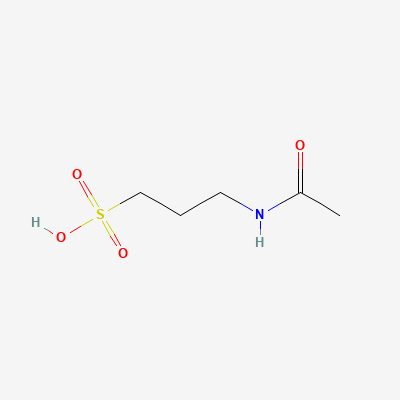
Acamprosate

Anti-craving agent for alcohol use disorder (NMDA modulator) · Agent for alcohol dependence

Also known as Acamprosate calcium, Campral EC
START
>60 kg: 666 mg PO three times daily (after detox)
TYPICAL MAX
1998 mg/day (666 mg TID)
STOP IF
Suicidal ideation / severe hypersensitivity
WATCH
Mood / suicidality, adherence; renal function (CrCl-banded dosing)
CDSCO approvedATC N07BB03
Dose laddermg/d
999low/day1.33krenal/day2kmax/day
Renal dose adjustmenteGFR mL/min/1.73m²
FULLStandard 666 mg TID50REDUCE333 mg three times daily30AVOIDContraindicated90

KDIGO 2024 + manufacturer label

Pharmacokineticsplasma · t hours
2hONSET5hPEAK1d8hDURATION
ONSET
2h · absorption
PEAK
5h · Tmax
1d ·
DURATION
8h · TID
EXCRETION
Renal — essentially unchanged
route + CYP
INTERACTIONS
none in our sources
PREGNANCY
Use only if clearly needed; limited data.
FDA category + note

Mechanism

Structural analogue of GABA / taurine that modulates glutamate (NMDA) receptor activity, restoring the glutamate–GABA balance disrupted by chronic alcohol exposure; reduces protracted abstinence-related craving and relapse rate.

Indications

Maintenance of abstinence from alcohol after detoxification, as part of a comprehensive psychosocial programme

Dosing

Adult
>60 kg: 666 mg PO three times daily. ≤60 kg: 666 mg morning, 333 mg midday, 333 mg evening.
Pediatric
Not established.
Renal adjustment
CrCl 30–50: 333 mg three times daily. CrCl <30: contraindicated.
Hepatic adjustment
No adjustment (not hepatically metabolised — safe in cirrhosis).
Geriatric
No specific adjustment beyond renal function.
Max dose
1998 mg/day (666 mg three times daily)

Pharmacokinetics

Onset
Anti-craving effect over weeks; durable with adherence
Peak effect
~3–8 h (Tmax)
Duration
~8 h (three-times-daily dosing)
Half-life
~20–33 h
Bioavailability
~11% (poor oral absorption)
Protein binding
Negligible
Metabolism
Not metabolised (excreted unchanged)
Excretion
Renal (essentially unchanged)

Contraindications

  • Severe renal impairment (CrCl <30)
  • Hypersensitivity
  • Caution: significant hepatic impairment is NOT a contraindication (no hepatic metabolism)

Side effects

Common
DiarrhoeaNauseaFlatulencePruritusHeadacheInsomnia
Serious
  • Suicidal ideation (boxed-style concern)
  • Severe hypersensitivity / SJS (rare)
  • Acute kidney injury (rare)

Pregnancy & lactation

Pregnancy

Use only if clearly needed; limited data.

Lactation

Limited data; weigh benefit/risk.

Drug interactions

Alcohol
Moderate
Database

No disulfiram-like reaction; alcohol still impairs recovery

Counsel; reaffirm abstinence

Source: Kimi deep-research + Cla

Antidepressants
Mild
Database

No significant PK interaction

Routine monitoring

Source: Kimi deep-research + Cla

Diarrhoeagenic Drugs
Mild
Database

Additive GI effects

Monitor symptoms

Source: Kimi deep-research + Cla

Disulfiram
Mild
Database

Different mechanism (intended combination)

Specialist combination

Source: Kimi deep-research + Cla

Naltrexone
Mild
Database

Possibly complementary effects on craving (different targets)

Specialist combination decisions

Source: Kimi deep-research + Cla

Related guidelines

Ask House about Acamprosate

Continue into a citation-backed clinical answer with the drug context already attached.

Sources: KD Tripathi 7e, Goodman & Gilman 14e, Katzung, BNF·Verified: 2026-05-20 · House clinical team·Cockpit curated: 2026-05-20