Drug lookup
Drug reference

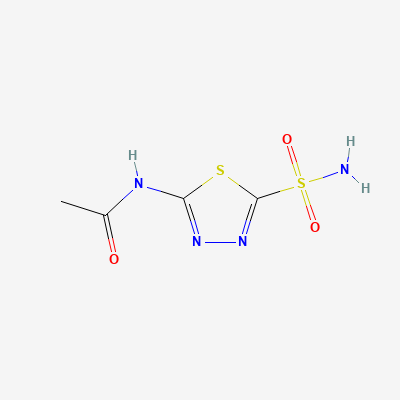
Acetazolamide

Carbonic anhydrase inhibitor (diuretic) · Antiglaucoma agent, Antiepileptic, Prophylaxis for mountain sickness, Diuretic
START
Glaucoma 250 mg PO 2–4×/day or 500 mg SR BID; AMS 125–250 mg BID (24 h pre-ascent)
TYPICAL MAX
~1 g/day glaucoma (up to ~4 g/day IIH specialist)
STOP IF
Severe metabolic acidosis, severe electrolyte disturbance, sulfonamide hypersensitivity reaction
WATCH
Electrolytes/bicarbonate, renal function, paraesthesia, sulfonamide reactions; not for chronic angle-closure
CDSCO approvedATC S01EC01
Dose laddermg/d
125low/AMS per dose250titrate1kglaucoma max/day4kceiling
Renal dose adjustmenteGFR mL/min/1.73m²
FULLUsual dosing50REDUCEExtend dosing interval; monitor acidosis/electrol…10AVOIDAvoid (ine…90

KDIGO 2024 + manufacturer label

Pharmacokineticsplasma · t hours
1hONSET3hPEAK6h10hDURATION
ONSET
1h · onset (IR)
PEAK
3h · Cmax (IR)
6h · plasma t½
DURATION
10h · IR effect
EXCRETION
~90% renal unchanged; not metabolised
route + CYP
INTERACTIONS
12 major
SEVERE in our sources
PREGNANCY
Avoid in 1st trimester; later only if clearly needed (teratogenic in animals; limb defects reported)
FDA category + note
Top interactionssee all 12
  • Aminolevulinic AcidSevereDatabaseDDInter
  • AmiodaroneSevereDatabaseDDInter
  • Arsenic TrioxideSevereDatabaseDDInter
  • AspirinSevereDatabaseKimi deep-research + Cla
Available in India

31 branded formulations. Look up specific brands in the Drugs workspace.

Mechanism

Inhibits carbonic anhydrase reducing bicarbonate reabsorption (proximal tubule) → alkaline diuresis and metabolic acidosis; lowers aqueous humour and CSF production; alters CO2/bicarbonate buffering (altitude acclimatisation, certain epilepsies).

Indications

Glaucoma (open-angle adjunct, acute angle-closure)Acute mountain sickness prophylaxis/treatmentIdiopathic intracranial hypertensionAdjunct in certain epilepsies; oedema (rarely); urinary alkalinisation; periodic paralysis

Dosing

Adult
Glaucoma: 250 mg PO 1–4×/day or 500 mg SR BID. Acute mountain sickness: 125–250 mg BID (start 24 h before ascent). IIH: 250 mg–1 g/day titrated (up to 4 g). Acute glaucoma: 500 mg IV/PO then 125–250 mg q4h.
Pediatric
8–30 mg/kg/day divided (indication-specific).
Renal adjustment
CrCl 10–50: extend interval (e.g. q12h); CrCl <10: avoid (ineffective + acidosis).
Hepatic adjustment
Avoid in marked hepatic disease (hepatic encephalopathy risk from alkalinisation/ammonia).
Geriatric
Lower dose; electrolyte/acidosis risk.
Max dose
~1 g/day glaucoma; up to ~4 g/day IIH (specialist)

Pharmacokinetics

Onset
Oral ~1–1.5 h; IV ~2 min; SR ~2 h
Peak effect
1–4 h (IR); ~8–18 h (SR)
Duration
IR 8–12 h; SR 18–24 h
Half-life
~4–10 h
Bioavailability
Well absorbed (IR)
Protein binding
~90–95%
Metabolism
Not metabolised
Excretion
Renal — ~90% unchanged within 24 h (tubular secretion)

Contraindications

  • Marked hepatic or renal disease/failure
  • Hyperchloraemic acidosis
  • Hyponatraemia/hypokalaemia, adrenal insufficiency
  • Sulfonamide hypersensitivity
  • Long-term use in chronic non-congestive angle-closure glaucoma

Side effects

Common
Paraesthesia (fingers/toes/peri-oral)Altered taste (carbonated drinks)PolyuriaFatigue/malaiseMild GI upset
Serious
  • Metabolic acidosis (hyperchloraemic)
  • Electrolyte disturbance (hypokalaemia, hyponatraemia)
  • Severe sulfonamide reactions (SJS/TEN, blood dyscrasias, aplastic anaemia)
  • Nephrolithiasis (calcium phosphate)
  • Hepatic encephalopathy (in liver disease)

Pregnancy & lactation

Pregnancy

Avoid in 1st trimester; later only if clearly needed (teratogenic in animals; limb defects reported)

Lactation

Small amounts in milk; short-term use generally considered compatible — monitor infant

Drug interactions

Aminolevulinic Acid
Severe
Database

Drug interaction classified as: synergy

Source: DDInter

Amiodarone
Severe
Database

Drug interaction classified as: synergy

Source: DDInter

Arsenic Trioxide
Severe
Database

Drug interaction classified as: synergy

Source: DDInter

Aspirin
Severe
Database

Mutual displacement + acidosis → salicylate CNS toxicity

Avoid combination; monitor

Source: Kimi deep-research + Cla

Bismuth Subsalicylate
Severe
Database

Drug interaction classified as: distribution

Source: DDInter

Choline Salicylate
Severe
Database

Drug interaction classified as: distribution

Source: DDInter

Cisapride
Severe
Database

Drug interaction classified as: synergy

Source: DDInter

Diclofenamide
Severe
Database

Drug interaction classified as: synergy

Source: DDInter

Dofetilide
Severe
Database

Drug interaction classified as: synergy

Source: DDInter

Dronedarone
Severe
Database

Drug interaction classified as: synergy

Source: DDInter

Droperidol
Severe
Database

Drug interaction classified as: synergy

Source: DDInter

Levacetylmethadol
Severe
Database

Drug interaction classified as: synergy

Source: DDInter

Related guidelines

Ask House about Acetazolamide

Continue into a citation-backed clinical answer with the drug context already attached.

Sources: KD Tripathi 7e, Goodman & Gilman 14e, Harrison 22e, Katzung·Verified: 2026-05-19 · House clinical team·Cockpit curated: 2026-05-19