Drug lookup
Drug reference

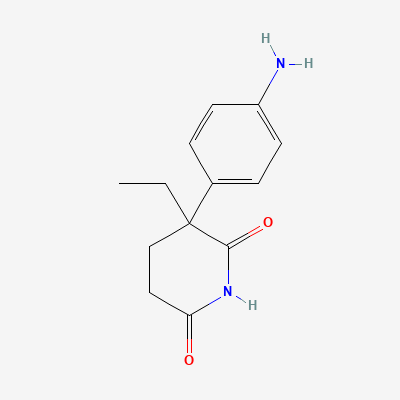
aminoglutethimide

Adrenocortical steroidogenesis inhibitor (historical) · Antineoplastic
START
250 mg PO twice daily (with hydrocortisone replacement in Cushing's)
TYPICAL MAX
~2 g/day (toxicity-limited)
STOP IF
Adrenal crisis, severe rash (SJS), blood dyscrasias, or hepatitis
WATCH
Cortisol / electrolytes, CBC, LFTs, TSH, rash; cover stress with hydrocortisone
CDSCO approvedATC L02BG01
Dose laddermg/d
500start/day1kusual2kmax/day
Renal dose adjustmenteGFR mL/min/1.73m²
CAUTIONNo fixed adjustment; caution if severe90

KDIGO 2024 + manufacturer label

Pharmacokineticsplasma · t hours
45minONSET1.5hPEAK10h12hDURATION
ONSET
45min · absorption
PEAK
1.5h · Tmax
10h · t½ (steady)
DURATION
12h · BID
EXCRETION
Renal — metabolites
route + CYP
INTERACTIONS
10 major
SEVERE in our sources
PREGNANCY
Contraindicated — virilisation of female fetus.
FDA category + note
Top interactionssee all 12
  • BenzhydrocodoneSevereDatabaseDDInter
  • ButorphanolSevereDatabaseDDInter
  • FentanylSevereDatabaseDDInter
  • HydrocodoneSevereDatabaseDDInter

Mechanism

Inhibits cholesterol side-chain cleavage (CYP11A1) and aromatase (CYP19), suppressing adrenal steroid (cortisol, aldosterone) and peripheral oestrogen synthesis; historical 'medical adrenalectomy' role in Cushing's and metastatic breast cancer.

Indications

Cushing syndrome (medical adrenalectomy — largely superseded by ketoconazole/metyrapone/levoketoconazole)Metastatic hormone-dependent breast cancer (historical; replaced by selective aromatase inhibitors)

Dosing

Adult
Start 250 mg PO twice daily; titrate every 1–2 weeks by 250 mg/day to 1 g/day in divided doses (with hydrocortisone replacement for adrenal blockade).
Pediatric
Not established.
Renal adjustment
Caution; no fixed adjustment.
Hepatic adjustment
Avoid in significant impairment.
Geriatric
Lower doses; AE risk.
Max dose
2 g/day (rarely; toxicity-limited)

Pharmacokinetics

Onset
Cortisol suppression over days
Peak effect
~1.5 h (Tmax)
Duration
~12 h (divided dosing)
Half-life
~12 h (initially; auto-induction shortens to ~7 h)
Bioavailability
Well absorbed orally
Protein binding
Moderate
Metabolism
Hepatic (acetylation, hydroxylation; auto-induces own metabolism)
Excretion
Renal (metabolites)

Contraindications

  • Severe hepatic impairment
  • Hypersensitivity
  • Pregnancy

Side effects

Common
Drowsiness / lethargy (often severe, dose-limiting)Rash (often early — usually self-limited)Nausea/anorexiaHeadache
Serious
  • Adrenal insufficiency / Addisonian crisis
  • Severe blood dyscrasias (pancytopenia)
  • Hepatotoxicity
  • Stevens-Johnson syndrome
  • Hypothyroidism

Pregnancy & lactation

Pregnancy

Contraindicated — virilisation of female fetus.

Lactation

Avoid.

Drug interactions

Benzhydrocodone
Severe
Database

Drug interaction classified as: metabolism

Source: DDInter

Butorphanol
Severe
Database

Drug interaction classified as: metabolism

Source: DDInter

Fentanyl
Severe
Database

Drug interaction classified as: metabolism

Source: DDInter

Hydrocodone
Severe
Database

Drug interaction classified as: metabolism

Source: DDInter

Lumateperone
Severe
Database

Drug interaction classified as: metabolism

Source: DDInter

Methadone
Severe
Database

Drug interaction classified as: metabolism

Source: DDInter

Oliceridine
Severe
Database

Drug interaction classified as: metabolism

Source: DDInter

Oxycodone
Severe
Database

Drug interaction classified as: metabolism

Source: DDInter

Progesterone
Severe
Database

Decreased progesterone plasma concentrations, leading to reduced efficacy.

Avoid co-administration. If unavoidable, consider increasing progesterone dose or using an alternative progestin. Monitor for signs of reduced progesterone effect.

Source: DDInter

Ranolazine
Severe
Database

Drug interaction classified as: metabolism

Source: DDInter

Dexamethasone
Moderate
Database

Aminoglutethimide induces dexamethasone metabolism

Use hydrocortisone for replacement instead

Source: Kimi deep-research + Cla

Medroxyprogesterone Acetate
Moderate
Database

Decreased plasma concentrations and efficacy of medroxyprogesterone acetate, potentially reducing its therapeutic effect.

Monitor for reduced efficacy of medroxyprogesterone acetate. Dose adjustment may be necessary, or consider an alternative progestin.

Source: DDInter

Related guidelines

Ask House about aminoglutethimide

Continue into a citation-backed clinical answer with the drug context already attached.

Sources: Goodman & Gilman 14e·Verified: 2026-05-20 · House clinical team·Cockpit curated: 2026-05-20