Drug lookup
Drug reference

Aztreonam

Monobactam (β-lactam) antibiotic · Antibacterial
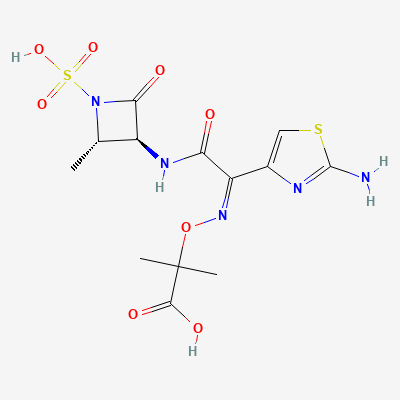
START
1–2 g IV/IM every 8–12 h (severe Gram-negative)
TYPICAL MAX
8 g/day
STOP IF
Severe hypersensitivity, C. difficile colitis, or hepatotoxicity
WATCH
Renal function (dose-banding), LFTs, ceftazidime allergy history
CDSCO approvedATC J01DF01
Dose laddermg/d
1klow/dose2kusual/dose8kmax/day
Renal dose adjustmenteGFR mL/min/1.73m²
FULLStandard dosing30REDUCEReduce dose 50%10REDUCEReduce 75%…90

KDIGO 2024 + manufacturer label

Pharmacokineticsplasma · t hours
6minONSET30minPEAK1.7h8hDURATION
ONSET
6min · infusion start
PEAK
30min · end infusion
1.7h ·
DURATION
8h · q8h
EXCRETION
Renal — 60–70% unchanged
route + CYP
INTERACTIONS
none in our sources
PREGNANCY
Considered acceptable when indicated (β-lactam class).
FDA category + note

Mechanism

Binds penicillin-binding protein 3 of Gram-negative aerobes, inhibiting bacterial cell-wall synthesis; selective for aerobic Gram-negatives (including Pseudomonas) with no Gram-positive or anaerobic activity.

Indications

Complicated urinary tract infectionsLower respiratory tract infections (including cystic fibrosis Pseudomonas, inhaled form)SepticaemiaIntra-abdominal infections (combined with anaerobe coverage)Skin/soft-tissue infections (Gram-negative)Pelvic inflammatory disease

Dosing

Adult
1–2 g IV/IM every 8–12 h (severe: 2 g q6–8h). Inhaled (CF): 75 mg nebulised three times daily for 28-day cycles.
Pediatric
≥9 months: 30 mg/kg every 6–8 h; CF inhaled per protocol.
Renal adjustment
CrCl 10–30: reduce dose 50%. <10: reduce 75%; dose after HD.
Hepatic adjustment
Caution; reduce dose in severe disease.
Geriatric
Adjust for renal function.
Max dose
8 g/day

Pharmacokinetics

Onset
Bactericidal levels from infusion
Peak effect
End of infusion
Duration
Dose every 6–12 h
Half-life
~1.7 h (~6 h in severe renal failure)
Bioavailability
IV/IM 100%; inhaled local
Protein binding
~56%
Metabolism
Minimal
Excretion
Renal (60–70% unchanged)

Contraindications

  • Severe hypersensitivity to aztreonam
  • Generally tolerated in penicillin allergy (no cross-reactivity except ceftazidime)
  • Caution: severe ceftazidime allergy (shared side chain)

Side effects

Common
Injection-site phlebitisRashNausea/vomitingDiarrhoeaTransaminase elevation
Serious
  • Severe hypersensitivity (rare)
  • C. difficile colitis
  • Hepatotoxicity (rare)
  • Seizures (high dose, renal failure)

Pregnancy & lactation

Pregnancy

Considered acceptable when indicated (β-lactam class).

Lactation

Compatible with breastfeeding.

Drug interactions

Aminoglycosides
Moderate
Database

Synergistic Gram-negative coverage (intended)

Standard combination; monitor renal function

Source: Kimi deep-research + Cla

Ceftazidime
Moderate
Database

Shared side chain

Avoid if severe ceftazidime allergy

Source: Kimi deep-research + Cla

Loop Diuretics (e.g., Furosemide)
Moderate
Database

Increased risk of renal dysfunction, particularly when aztreonam is co-administered with other nephrotoxic drugs. Loop diuretics can also reduce aztreonam excretion.

Monitor renal function closely. Be aware of potential for reduced aztreonam excretion, which may necessitate dose adjustment in patients with impaired renal function. Avoid concomitant use with other nephrotoxic agents if possible.

Other Nephrotoxins
Moderate
Database

Renal stress

Monitor renal function

Source: Kimi deep-research + Cla

Probenecid
Moderate
Database

Reduced renal tubular secretion

Monitor; usually no adjustment

Source: Kimi deep-research + Cla

Valproic Acid
Moderate
Database

Decreased serum concentrations of valproic acid, potentially leading to loss of seizure control.

Monitor valproic acid levels closely. Consider increasing valproic acid dose or switching to an alternative antiepileptic drug if clinically indicated. Monitor for seizure recurrence.

6 additional low-confidence interactions hidden — those rows lack a documented mechanism or management plan in our sources.

Related guidelines

Ask House about Aztreonam

Continue into a citation-backed clinical answer with the drug context already attached.

Sources: KD Tripathi 7e, Goodman & Gilman 14e, Harrison 22e, Katzung·Verified: 2026-05-20 · House clinical team·Cockpit curated: 2026-05-20