Drug lookup
Drug reference

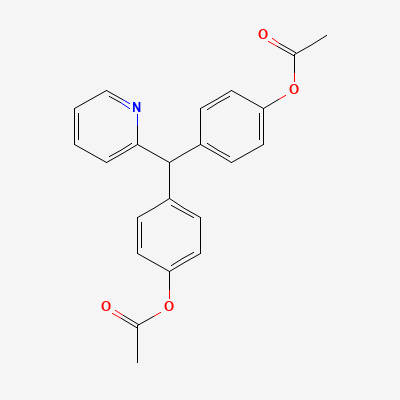
Bisacodyl

Stimulant laxative (diphenylmethane) · Laxative; Bowel Evacuant

Also known as Dulcolax, Laxit, Contilax, Bisalax, Bico, Gerbisa
START
5–10 mg PO at night; suppository 10 mg PR for rapid effect
TYPICAL MAX
10 mg/day routine (higher only for supervised bowel prep)
STOP IF
Severe abdominal pain, suspected obstruction, persistent diarrhoea/electrolyte disturbance
WATCH
Avoid chronic daily use (dependence), hydration/electrolytes in elderly/bowel prep
CDSCO approvedOTCJan AushadhiATC A06AB02
Dose laddermg/d
5start/night10usual max/day15ceiling
Renal dose adjustmenteGFR mL/min/1.73m²
FULLNo dose adjustment at any eGFR (minimal absorption)90

KDIGO 2024 + manufacturer label

Pharmacokineticsplasma · t hours
6hONSET10hPEAK16h12hDURATION
ONSET
6h · oral effect onset
PEAK
10h · evacuation
16h · active metabolite t½
DURATION
12h · single evacuation
EXCRETION
Mainly faecal; minor renal glucuronide
route + CYP
INTERACTIONS
none in our sources
PREGNANCY
Considered acceptable for short-term use if dietary/bulk measures fail — minimal absorption
FDA category + note
Available in India

40 branded formulations. Look up specific brands in the Drugs workspace.

Jan Aushadhi — generic available at GoI pharmacies

Mechanism

Hydrolysed to active BHPM which stimulates colonic mucosal sensory nerve endings increasing peristalsis and reduces water/electrolyte absorption (pro-secretory), promoting evacuation.

Indications

Constipation (short-term)Bowel preparation before procedures/surgery (with other agents)

Dosing

Adult
5–10 mg PO at night; up to 15 mg for bowel prep; suppository 10 mg PR for faster effect.
Pediatric
≥4 years 5 mg PO daily; suppository per age (specialist for younger).
Renal adjustment
No adjustment.
Hepatic adjustment
No adjustment.
Geriatric
Short-term use; avoid chronic stimulant laxative dependence.
Max dose
10 mg/day routine (up to 15–30 mg for bowel prep regimens)

Pharmacokinetics

Onset
Oral 6–12 h; suppository 15–60 min
Peak effect
Effect-defined (evacuation)
Duration
Single evacuation
Half-life
Active metabolite ~16 h (minimal systemic relevance)
Bioavailability
Low systemic (<5%) — acts locally
Protein binding
Not clinically relevant (low absorption)
Metabolism
Gut/hepatic hydrolysis to BHPM; conjugation
Excretion
Mainly faecal; some renal (glucuronide)

Contraindications

  • Ileus / intestinal obstruction
  • Acute surgical abdomen / appendicitis
  • Severe dehydration
  • Acute inflammatory bowel disease
  • Hypersensitivity to bisacodyl

Side effects

Common
Abdominal crampsDiarrhoeaNauseaRectal irritation (suppository)
Serious
  • Fluid/electrolyte disturbance (overuse, esp. elderly)
  • Severe abdominal pain (possible obstruction)
  • Laxative dependence/atonic colon (chronic misuse)
  • Ischaemic colitis (rare, high-dose prep)

Pregnancy & lactation

Pregnancy

Considered acceptable for short-term use if dietary/bulk measures fail — minimal absorption

Lactation

Compatible — negligible systemic absorption/milk transfer

Drug interactions

Antacids
Moderate
Database

Premature dissolution of enteric coating → gastric irritation/cramps

Separate by ≥1 h; do not take within 1 h of antacids/milk

Source: Kimi deep-research + Cla

Digoxin
Moderate
Database

Hypokalaemia (laxative overuse) potentiates digoxin toxicity

Avoid chronic stimulant use; monitor K+/digoxin

Source: Kimi deep-research + Cla

Diuretics
Moderate
Database

Additive hypokalaemia with overuse

Avoid chronic use; monitor potassium

Source: Kimi deep-research + Cla

9 additional low-confidence interactions hidden — those rows lack a documented mechanism or management plan in our sources.

Related guidelines

Ask House about Bisacodyl

Continue into a citation-backed clinical answer with the drug context already attached.

Sources: Goodman & Gilman 14e, Katzung, BNF, Nelson·Verified: 2026-05-19 · House clinical team·Cockpit curated: 2026-05-19