Drug lookup
Drug reference

Brimonidine

Selective alpha-2 adrenergic receptor agonist · Antiglaucoma agent

Also known as Brimonidine Tartrate, Alphagan P
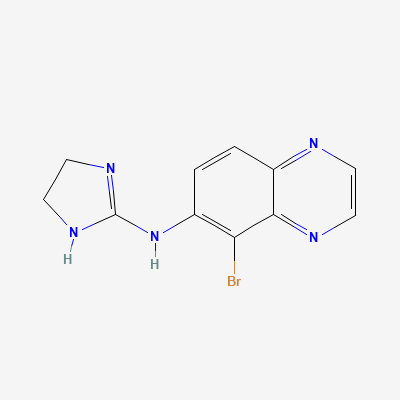
START
Baseline IOP measurement. Verify no MAO inhibitor use. Counsel on proper instillation technique (punctal occlusion to reduce systemic absorption).
TYPICAL MAX
0.2% BID. No additional benefit with higher concentration or more frequent dosing.
STOP IF
Severe hypersensitivity, severe hypotension, syncope, severe CNS depression, intolerable ocular side effects.
WATCH
IOP every 4-6 weeks initially. Tachyphylaxis (loss of effect) can occur after months of use. Systemic alpha-2 effects (dry mouth, drowsiness, hypotension)—more common in elderly. Do not use in infants due to CNS depression risk.
CDSCO approvedSchedule HJan AushadhiATC S01EA05
Dose laddermg/d
0.1start0.15titrate0.2ceiling
Renal dose adjustmenteGFR mL/min/1.73m²
FULLNo adjustment (topical)15FULLNo adjustment90

KDIGO 2024 + manufacturer label

Pharmacokineticsplasma · t hours
1hONSET2.5hPEAK3h12hDURATION
ONSET
1h · IOP reduction 1 hour
PEAK
2.5h · Peak IOP reduction 2-3 hours
3h · Systemic t½ ~3 hours
DURATION
12h · 12 hours (BID)
EXCRETION
Renal as metabolites (~75%)
route + CYP
INTERACTIONS
1 major
incl. contraindicated
PREGNANCY
Limited data; minimal systemic absorption with ophthalmic use. Use only if benefit outweighs risk.
FDA category + note
Top interactions
  • Mao InhibitorsContraindicatedDatabaseKimi deep-research + Cla
Available in India

33 branded formulations and 67 fixed-dose combinations. Look up specific brands in the Drugs workspace.

Jan Aushadhi — generic available at GoI pharmacies

Mechanism

Selective alpha-2 adrenergic agonism reduces aqueous humor production and increases uveoscleral outflow, lowering intraocular pressure. More selective than apraclonidine (less alpha-1 effect = fewer allergic reactions).

Indications

Open-angle glaucomaOcular hypertensionRosacea (topical gel—Mirvaso)Facial erythema of rosacea

Dosing

Adult
Ophthalmic: 1 drop of 0.1-0.2% solution in affected eye(s) BID (approximately 12 hours apart). Rosacea: Apply thin layer of 0.33% gel to affected facial areas once daily.
Pediatric
≥2 years (glaucoma): same as adult dosing. <2 years: contraindicated.
Renal adjustment
No adjustment (topical/minimal systemic absorption).
Hepatic adjustment
Use caution; hepatic impairment may increase systemic levels.
Geriatric
No specific adjustment; increased risk of CNS depression and hypotension.
Max dose
1 drop 0.2% BID per eye

Pharmacokinetics

Onset
IOP reduction within 1 hour
Peak effect
Tmax 2-3 hours; peak IOP reduction at 2-3 hours
Duration
12 hours (BID dosing)
Half-life
~3 hours (systemic)
Bioavailability
Ophthalmic: minimal systemic absorption (~1-4% reaches systemic circulation)
Protein binding
~29%
Metabolism
Hepatic via CYP2D6 and aldehyde oxidase
Excretion
~75% renal (metabolites); ~16% fecal

Contraindications

  • Hypersensitivity to brimonidine or apraclonidine
  • Concomitant MAO inhibitor therapy
  • Neonates and infants (risk of CNS depression, apnea, hypotension)
  • Severe cardiovascular disease

Side effects

Common
Ocular hyperemia (conjunctival redness)Dry mouthBurning/stinging sensationForeign body sensationFatigue / drowsiness (CNS penetration)HeadacheBlurred vision
Serious
  • Severe hypotension / syncope
  • Bradycardia
  • CNS depression (somnolence, apnea in infants)
  • Severe allergic conjunctivitis
  • Macular edema (aphakic patients)
  • Depression

Pregnancy & lactation

Pregnancy

Limited data; minimal systemic absorption with ophthalmic use. Use only if benefit outweighs risk.

Lactation

Excretion in breast milk unknown; minimal systemic absorption suggests low risk. Monitor infant for sedation and dry mouth.

Drug interactions

Mao Inhibitors
Contraindicated
Database

Risk of hypertensive crisis and CNS effects; brimonidine is an alpha-2 agonist.

Contraindicated. Wait 14 days after MAOI discontinuation before starting brimonidine.

Source: Kimi deep-research + Cla

11 additional low-confidence interactions hidden — those rows lack a documented mechanism or management plan in our sources.

Related guidelines

Ask House about Brimonidine

Continue into a citation-backed clinical answer with the drug context already attached.

Sources: KD Tripathi 7e, Goodman & Gilman 14e, Katzung, BNF·Verified: 2026-05-19 · House clinical team·Cockpit curated: 2026-05-19