Drug lookup
Drug reference

Chloramphenicol

Amphenicol antibiotic / bacteriostatic (bactericidal at high concentrations) · Antibiotic

Also known as Chloromycetin, Chloroptic, Phenicol
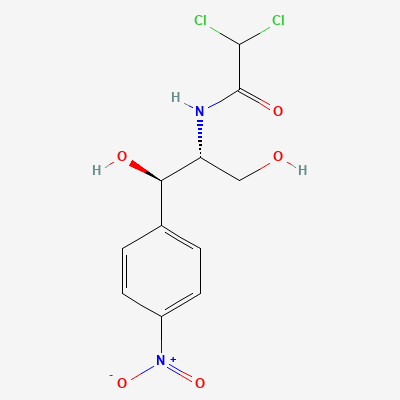
START
IV 50-100 mg/kg/day in 4 divided doses; reserve for situations where safer antibiotics are contraindicated or ineffective; check baseline CBC and LFTs
TYPICAL MAX
4 g/day; 100 mg/kg/day for meningitis
STOP IF
CBC abnormalities (reticulocytopenia, leukopenia, thrombocytopenia), signs of aplastic anemia, optic symptoms, 14 days maximum unless exceptional circumstances
WATCH
CBC every 2-3 days (reticulocyte count, WBC, platelets), LFTs, drug levels if available (target 10-20 mcg/mL peak), vision symptoms
CDSCO approvedSchedule HATC J01BA01
Dose laddermg/d
500start1ktitrate4kceiling
Renal dose adjustmenteGFR mL/min/1.73m²
FULLNo renal adjustment - hepatically metabolized090

KDIGO 2024 + manufacturer label

Pharmacokineticsplasma · t hours
1hONSET1hPEAK4h6hDURATION
ONSET
1h · Rapid distribution and onset
PEAK
1h · Peak after oral dose
4h · 4 hours (adults)
DURATION
6h · 6-8 hour dosing interval
EXCRETION
Renal (5-10%, unchanged)
route + CYP
INTERACTIONS
12 major
SEVERE in our sources
PREGNANCY
Avoid in pregnancy especially third trimester; risk of gray baby syndrome; only if no safer alternative
FDA category + note
Top interactionssee all 12
  • CarbamazepineSevereTextbook-citedKDT 7e · p949
  • GlibenclamideSevereTextbook-citedKDT 7e · p949
  • GliclazideSevereTextbook-citedKDT 7e · p949
  • GlimepirideSevereTextbook-citedKDT 7e · p949
Available in India

198 branded formulations and 66 fixed-dose combinations. Look up specific brands in the Drugs workspace.

Mechanism

Reversibly binds to 50S ribosomal subunit, inhibiting bacterial peptidyl transferase and blocking peptide bond formation and protein synthesis. Broad spectrum of activity including Gram-positive, Gram-negative, anaerobes, and atypicals (Rickettsia, Mycoplasma, Chlamydia).

Indications

Meningitis (when penicillin-allergic or H. influenzae resistant)Rickettsial diseases (typhus, Rocky Mountain spotted fever)Bacterial meningitis (H. influenzae, N. meningitidis, S. pneumoniae)Brain abscessAnaerobic infections (Bacteroides fragilis)PlagueBartonelosisTopical: bacterial conjunctivitis, external ear infections

Dosing

Adult
IV: 50-100 mg/kg/day in 4 divided doses (max 4 g/day). Meningitis/brain abscess: 100 mg/kg/day. PO: 250-500 mg QDS
Pediatric
>2 weeks: 25-50 mg/kg/day IV in 4 divided doses. Avoid in neonates <2 weeks (gray baby syndrome)
Renal adjustment
No adjustment needed; hepatically metabolized
Hepatic adjustment
Reduce dose; avoid or use extreme caution in hepatic impairment
Geriatric
Standard dosing; monitor CBC and LFTs closely
Max dose
4 g/day (adults); 100 mg/kg/day (meningitis)

Pharmacokinetics

Onset
Rapid bacteriostatic effect
Peak effect
IV: immediate distribution; Oral: 0.5-2 hours (Tmax)
Duration
6-8 hours
Half-life
Adults: 4 hours; Neonates: 24 hours (immature glucuronidation)
Bioavailability
Oral: 75-90%; excellent tissue penetration including CSF and CNS
Protein binding
50-60%
Metabolism
Hepatic glucuronidation (90%) to inactive metabolites
Excretion
Renal (5-10% unchanged); fecal (majority as metabolites)

Contraindications

  • Hypersensitivity to chloramphenicol
  • Pregnancy (especially third trimester)
  • Breastfeeding (avoid if possible)
  • Pre-existing bone marrow depression
  • G6PD deficiency (may cause hemolysis)
  • Optic nerve disease
  • Infants under 2 weeks (gray baby syndrome risk)

Side effects

Common
NauseaVomitingDiarrheaBitter tasteOral candidiasisTopical: burning, stinging
Serious
  • Bone marrow suppression (dose-related, reversible)
  • Aplastic anemia (idiosyncratic, rare but fatal - 1:25,000 to 1:40,000)
  • Gray baby syndrome (neonates - cardiovascular collapse)
  • Optic neuritis
  • Peripheral neuritis
  • Hypersensitivity reactions
  • Superinfection

Pregnancy & lactation

Pregnancy

Avoid in pregnancy especially third trimester; risk of gray baby syndrome; only if no safer alternative

Lactation

Excreted in breast milk; avoid if possible; may cause bone marrow suppression in infant

Drug interactions

Carbamazepine
Severe
Textbook-cited

Reduced chloramphenicol efficacy

Avoid concurrent use or increase dose with monitoring

Source: KDT 7e · p949

Glibenclamide
Severe
Textbook-cited

Hypoglycemia

Monitor blood glucose; reduce sulfonylurea dose

Source: KDT 7e · p949

Gliclazide
Severe
Textbook-cited

Hypoglycemia

Monitor blood glucose; reduce sulfonylurea dose

Source: KDT 7e · p949

Glimepiride
Severe
Textbook-cited

Hypoglycemia

Monitor blood glucose; reduce sulfonylurea dose

Source: KDT 7e · p949

Glipizide
Severe
Textbook-cited

Hypoglycemia

Monitor blood glucose; reduce sulfonylurea dose

Source: KDT 7e · p949

Phenobarbital
Severe
Textbook-cited

Reduced chloramphenicol efficacy

Avoid concurrent use or increase dose with monitoring

Source: KDT 7e · p949

Rifampicin
Severe
Textbook-cited

Reduced chloramphenicol efficacy

Avoid concurrent use or increase dose with monitoring

Source: KDT 7e · p949

Cyp Substrates
Severe
Textbook

Prolonged half-lives of drugs metabolized by CYPs.

Recognize this effect to avoid severe toxicity and potentially fatal outcomes.

Source: G&G 14e · p1189

Penicillin
Severe
Textbook

Apparent antagonism on pneumococci; higher mortality in pneumococcal meningitis compared to penicillin alone.

Avoid combination for highly sensitive organisms where cidal drug alone is sufficient.

Source: KDT 7e · p699

Avapritinib
Severe
Database

Drug interaction classified as: metabolism

Source: DDInter

Benzhydrocodone
Severe
Database

Drug interaction classified as: metabolism

Source: DDInter

Brigatinib
Severe
Database

Drug interaction classified as: metabolism

Source: DDInter

Related guidelines

Ask House about Chloramphenicol

Continue into a citation-backed clinical answer with the drug context already attached.

Sources: KD Tripathi 7e, Goodman & Gilman 14e, Harrison 22e, Katzung·Verified: 2026-05-19 · House clinical team·Cockpit curated: 2026-05-19