Anionic Surfactants
Moderate
Database
Anionic-cationic neutralisation
Rinse soap before chlorhexidine
Source: Kimi deep-research + Cla
Topical/oral antiseptic (cationic bisbiguanide) · Topical disinfection
Also known as HIBITANE PLUS, HIBISCRUB, HIBITANE OBSTETRIC, HIBI LIQUID HAND RUB+, Cepton, ChloraPrep
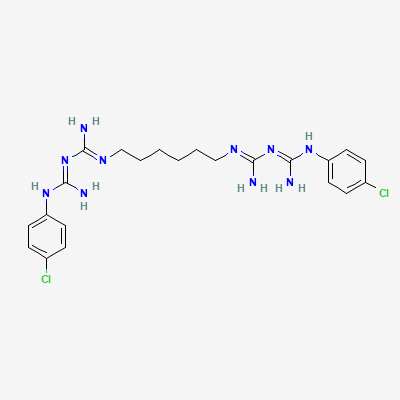
KDIGO 2024 + manufacturer label
Cationic bisbiguanide that binds negatively charged bacterial cell walls and disrupts membrane permeability; broad-spectrum bactericidal (Gram-positive > Gram-negative), some fungi/enveloped viruses; persistent skin substantivity (6 h reservoir).
Topical use considered safe.
Compatible (topical/local; rinse nipple before feeding if used).
Anionic-cationic neutralisation
Rinse soap before chlorhexidine
Source: Kimi deep-research + Cla
Possible inactivation
Separate mouthwash and brushing by ≥30 min
Source: Kimi deep-research + Cla
May potentiate skin reactions
Avoid layering
Source: Kimi deep-research + Cla
Hard-water cations may reduce activity
Use distilled for sensitive applications
Source: Kimi deep-research + Cla
Reduced antibacterial effect (in vitro)
Separate rinse
Source: Kimi deep-research + Cla
5 additional unreviewed or low-confidence interactions hidden because their provenance or source detail is insufficient.
Continue into a citation-backed clinical answer with the drug context already attached.
Textbook-sourced·Sources: Katzung, BNF·Updated: 2026-05-20·Cockpit curated: 2026-05-20