Drug lookup
Drug reference

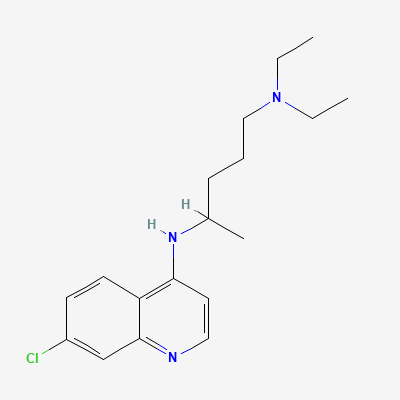
Chloroquine

4-aminoquinoline antimalarial / disease-modifying antirheumatic · Antirheumatic

Also known as Chloroquine phosphate, Chloroquine sulfate, Aralen, Resochin, Nivaquine
START
Baseline ophthalmologic exam (visual acuity, fundoscopy, visual fields) if using >3 months. Check glucose (risk of hypoglycemia). Verify malaria strain chloroquine-susceptible.
TYPICAL MAX
Do not exceed 2.5-3mg/kg/day actual body weight for long-term use. Dose >5mg/kg/day increases retinopathy risk exponentially.
STOP IF
Any visual changes, new arrhythmia, severe hypoglycemia, blood dyscrasia, muscle weakness (neuromyopathy).
WATCH
Ophthalmologic screening every 6-12 months with long-term use. ECG if cardiac disease (QT prolongation risk). Monitor blood glucose (especially with diabetes). Drug accumulates in tissues—load adjusts over months.
CDSCO approvedSchedule HJan AushadhiATC P01BA01
Dose laddermg/d
150start300titrate400max500titrate1kceiling
Renal dose adjustmenteGFR mL/min/1.73m²
FULLNo adjustment (acute malaria)10REDUCEReduce 50%…90

KDIGO 2024 + manufacturer label

Pharmacokineticsplasma · t hours
2hONSET4hPEAK4.3w1wDURATION
ONSET
2h · Onset ~2.0 hours
PEAK
4h · Tmax ~3-12 hours
4.3w · Terminal t½ ~30-60 days
DURATION
1w · Weekly prophylaxis dosing
EXCRETION
Renal unchanged (~50%), slow tissue release
route + CYP
INTERACTIONS
12 major
SEVERE in our sources
PREGNANCY
Safe for malaria prophylaxis and treatment in pregnancy (WHO recommended). For autoimmune disease, lowest effective dose preferred—retinal toxicity risk to fetus theoretical but unproven. Crosses placenta.
FDA category + note
Top interactionssee all 12
  • Agalsidase BetaSevereDatabaseDDInter
  • AlfuzosinSevereDatabaseDDInter
  • AlimemazineSevereDatabaseDDInter
  • AmiodaroneSevereDatabaseKimi deep-research + Cla
Available in India

137 branded formulations. Look up specific brands in the Drugs workspace.

Jan Aushadhi — generic available at GoI pharmacies

Mechanism

In malaria: concentrates in parasite food vacuole, inhibiting heme polymerization → toxic free heme accumulation → parasite death. In autoimmune disease: inhibits Toll-like receptor signaling, reduces cytokine production, and stabilizes lysosomal membranes.

Indications

Malaria prophylaxis (Plasmodium falciparum, P. vivax, P. ovale, P. malariae—chloroquine-sensitive strains)Malaria treatment (uncomplicated, chloroquine-sensitive)Extraintestinal amebiasisRheumatoid arthritisSystemic lupus erythematosus (SLE)Discoid lupus erythematosus

Dosing

Adult
Malaria prophylaxis: 500mg weekly (300mg base), start 1-2 weeks before travel, continue 4 weeks after. Malaria treatment: 1g (600mg base) PO, then 500mg (300mg base) at 6, 24, and 48 hours. RA/SLE: 150-300mg daily (max 2.5-3mg/kg/day actual body weight); max 400mg/day.
Pediatric
Malaria prophylaxis: 5mg/kg base weekly (max 300mg). Malaria treatment: 10mg/kg base, then 5mg/kg at 6, 24, 48h.
Renal adjustment
No adjustment for acute malaria; reduce dose 50% if CrCl <10 for long-term use.
Hepatic adjustment
Use caution; 50% reduction in severe hepatic impairment.
Geriatric
No specific adjustment; increased risk of retinopathy with age—baseline and annual eye exams essential.
Max dose
2.5-3mg/kg/day actual body weight (long-term); max 400mg/day; 1g single dose (treatment)

Pharmacokinetics

Onset
Malaria: symptomatic relief within 24-48 hours; antimalarial effect after first dose
Peak effect
Tmax 3-12 hours; tissue distribution continues for days
Duration
Terminal elimination half-life determines duration: weeks to months
Half-life
α-phase 3-8h; β-phase 40-216h; terminal γ-phase 30-60 days
Bioavailability
~75-90%
Protein binding
50-65%
Metabolism
Hepatic via CYP2C8, CYP3A4/5; major metabolite desethylchloroquine (active)
Excretion
~50% renal unchanged; remainder as metabolites (biliary/renal); slow tissue release

Contraindications

  • Hypersensitivity to 4-aminoquinolines
  • Retinal or visual field abnormalities (pre-existing)
  • Long-term therapy in psoriasis (may exacerbate)
  • Porphyria

Side effects

Common
Gastrointestinal upset (nausea, diarrhea, cramps)HeadachePruritus (in dark-skinned patients)Skin discoloration (gray-blue)Insomnia
Serious
  • Retinopathy (bull's eye maculopathy—irreversible with long-term use)
  • Cardiomyopathy / QT prolongation / torsades de pointes
  • Blood dyscrasias (agranulocytosis, aplastic anemia)
  • Severe hypoglycemia
  • Neuropsychiatric effects (seizures, psychosis)
  • Ototoxicity

Pregnancy & lactation

Pregnancy

Safe for malaria prophylaxis and treatment in pregnancy (WHO recommended). For autoimmune disease, lowest effective dose preferred—retinal toxicity risk to fetus theoretical but unproven. Crosses placenta.

Lactation

Excreted in breast milk in small amounts (~2-3% of maternal dose); compatible with breastfeeding for malaria prophylaxis/treatment per WHO. Infant should receive complementary antimalarial prophylaxis.

Drug interactions

Agalsidase Beta
Severe
Database

Drug interaction classified as: antagonism

Source: DDInter

Alfuzosin
Severe
Database

Drug interaction classified as: synergy

Source: DDInter

Alimemazine
Severe
Database

Drug interaction classified as: synergy

Source: DDInter

Amiodarone
Severe
Database

Additive QT prolongation; risk of torsades de pointes and sudden cardiac death.

Avoid combination; if essential, monitor ECG (QTc) closely. Correct electrolytes (K+, Mg2+).

Source: Kimi deep-research + Cla

Amisulpride
Severe
Database

Drug interaction classified as: synergy

Source: DDInter

Amitriptyline
Severe
Database

Drug interaction classified as: synergy

Source: DDInter

Amoxapine
Severe
Database

Drug interaction classified as: synergy

Source: DDInter

Anagrelide
Severe
Database

Drug interaction classified as: synergy

Source: DDInter

Apomorphine
Severe
Database

Drug interaction classified as: synergy

Source: DDInter

Arsenic Trioxide
Severe
Database

Drug interaction classified as: synergy

Source: DDInter

Asenapine
Severe
Database

Drug interaction classified as: synergy

Source: DDInter

Astemizole
Severe
Database

Drug interaction classified as: synergy

Source: DDInter

Related guidelines

Ask House about Chloroquine

Continue into a citation-backed clinical answer with the drug context already attached.

Sources: KD Tripathi 7e, Goodman & Gilman 14e, Harrison 22e, Katzung·Verified: 2026-05-19 · House clinical team·Cockpit curated: 2026-05-19