Drug lookup
Drug reference

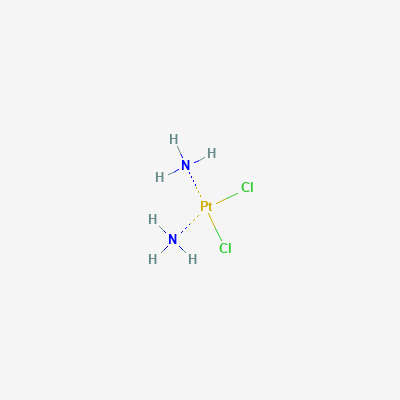
Cisplatin

Platinum-based alkylating-like agent · Antineoplastic

Also known as Platinol, CDDP
START
Regimen-specific 50–100 mg/m² IV q3–4 weeks WITH aggressive hydration + antiemetics
TYPICAL MAX
~100 mg/m² per cycle
STOP IF
CrCl <60 / rising creatinine, ototoxicity, severe neuropathy, anaphylaxis
WATCH
Renal function + electrolytes (Mg/K) each cycle, audiometry, neuro exam, CBC, hydration
CDSCO approvedSchedule HATC L01XA01
Dose laddermg/d
40start120titrate180max200ceiling
Renal dose adjustmenteGFR mL/min/1.73m²
FULLFull regimen dose with hydration/Mg r…60REDUCEReduce dose / co…45AVOIDAvoid — substitute carboplatin (AUC-dosed)90

KDIGO 2024 + manufacturer label

Pharmacokineticsplasma · t hours
1hONSET1hPEAK30min3wDURATION
ONSET
1h · IV infusion
PEAK
1h · end of infusion
30min · free platinum initial t½
DURATION
3w · 3-week cycle
EXCRETION
Renal, slow; prolonged tissue retention
route + CYP
INTERACTIONS
12 major
incl. contraindicated
PREGNANCY
Avoid — teratogenic/fetotoxic; effective contraception during and after
FDA category + note
Top interactionssee all 12
  • Live VaccinesContraindicatedDatabaseKimi deep-research + Cla
  • AminoglycosideSevereTextbookKDT 7e · p746
  • TorsemideSevereTextbookG&G 14e · p566
  • AdalimumabSevereDatabaseDDInter
Available in India

42 branded formulations. Look up specific brands in the Drugs workspace.

Mechanism

Aquated cisplatin forms intra- and interstrand DNA crosslinks (predominantly 1,2-intrastrand d(GpG) adducts), distorting DNA, blocking replication/transcription and triggering apoptosis; cell-cycle non-specific.

Indications

Testicular, ovarian, bladder cancersLung (NSCLC/SCLC), head and neck, cervical, oesophageal/gastric cancersMany curative-intent combination regimens; chemoradiation sensitiser

Dosing

Adult
Regimen-specific: e.g. 50–100 mg/m² IV every 3–4 weeks, or 20 mg/m²/day ×5; always with vigorous pre/post hydration ± mannitol and antiemetics.
Pediatric
Protocol-specific (specialist oncology).
Renal adjustment
Hold/avoid if CrCl <60 mL/min or rising creatinine; reduce dose and ensure aggressive hydration; carboplatin often substituted.
Hepatic adjustment
No specific adjustment (minimal hepatic clearance).
Geriatric
Higher nephro/oto/neurotoxicity; reduce/monitor.
Max dose
~100 mg/m² per cycle (regimen-defined)

Pharmacokinetics

Onset
Counts nadir ~day 18–23
Peak effect
End of infusion
Duration
Cycle-based
Half-life
Free platinum initial ~20–30 min; total platinum t½ days (protein-bound, prolonged)
Bioavailability
100% IV
Protein binding
>90% (irreversibly bound over time)
Metabolism
Non-enzymatic aquation to active species
Excretion
Renal (slow; tissue retention for months)

Contraindications

  • Pre-existing significant renal impairment
  • Hearing impairment
  • Myelosuppression
  • Hypersensitivity to platinum compounds
  • Pregnancy/breastfeeding

Side effects

Common
Severe nausea/vomiting (highly emetogenic)NephrotoxicityOtotoxicity (tinnitus, high-frequency loss)Peripheral neuropathyElectrolyte wasting (Mg, K, Ca)Myelosuppression, anaemia
Serious
  • Dose-limiting nephrotoxicity (tubular injury)
  • Irreversible ototoxicity
  • Severe peripheral neuropathy
  • Anaphylaxis/hypersensitivity
  • Severe myelosuppression; secondary malignancy
  • Cardiotoxicity; posterior reversible encephalopathy

Pregnancy & lactation

Pregnancy

Avoid — teratogenic/fetotoxic; effective contraception during and after

Lactation

Contraindicated — discontinue breastfeeding

Drug interactions

Live Vaccines
Contraindicated
Database

Immunosuppression

Avoid live vaccines

Source: Kimi deep-research + Cla

Aminoglycoside
Severe
Textbook

Increased risk of nephrotoxicity.

Avoid concurrent use.

Source: KDT 7e · p746

Torsemide
Severe
Textbook

Enhanced ototoxicity.

Not explicitly stated, but implies careful monitoring or avoidance if possible.

Source: G&G 14e · p566

Adalimumab
Severe
Database

Drug interaction classified as: synergy

Source: DDInter

Aldesleukin
Severe
Database

Drug interaction classified as: others.

Source: DDInter

Amikacin
Severe
Database

Increased risk of acute kidney injury and ototoxicity

Avoid concomitant use. If unavoidable, monitor renal function and auditory function extremely closely. Consider alternative antibiotics if possible during cisplatin therapy.

Source: DDInter

Aminoglycosides
Severe
Database

Additive nephro- and ototoxicity

Avoid; if essential, monitor renal function/audiometry

Source: Kimi deep-research + Cla

Amiodarone
Severe
Database

Drug interaction classified as: synergy.

Source: DDInter

Arsenic Trioxide
Severe
Database

Drug interaction classified as: synergy

Source: DDInter

Baricitinib
Severe
Database

Drug interaction classified as: synergy

Source: DDInter

Carboplatin
Severe
Database

Significantly increased risk and severity of nephrotoxicity, ototoxicity, and myelosuppression. This combination is generally not used due to cumulative toxicity.

This combination is rarely used due to severe overlapping toxicities. If considered in very specific protocols, extreme caution, intensive monitoring of renal function, audiometry, and CBCs are required. Dose reductions are likely necessary.

Source: DDInter

Certolizumab
Severe
Database

Drug interaction classified as: synergy

Source: DDInter

Related guidelines

Ask House about Cisplatin

Continue into a citation-backed clinical answer with the drug context already attached.

Sources: KD Tripathi 7e, Goodman & Gilman 14e, Harrison 22e, Katzung·Verified: 2026-05-19 · House clinical team·Cockpit curated: 2026-05-19