Drug lookup
Drug reference

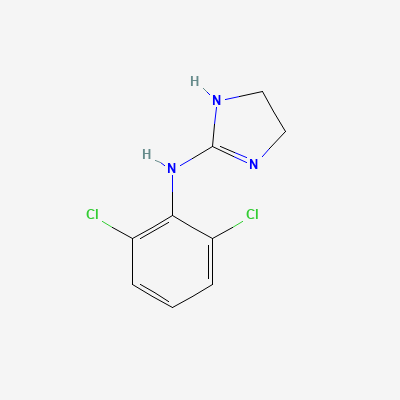
Clonidine

Central alpha-2 adrenergic agonist · Antihypertensive

Also known as Clonidine hydrochloride
START
Hypertension 0.1 mg PO BID, titrate; never stop abruptly (taper)
TYPICAL MAX
~2.4 mg/day (HTN); ADHD ER 0.4 mg/day
STOP IF
Severe bradycardia/AV block, profound sedation; if stopping, TAPER over days to weeks
WATCH
BP/HR, sedation, strict counselling against abrupt discontinuation (rebound HTN), renal function
CDSCO approvedSchedule HATC C02AC01
Dose laddermg/d
0.1start0.3common total/day1.2higher/day2.4ceiling
Renal dose adjustmenteGFR mL/min/1.73m²
FULLUsual dosing60REDUCELower dose; titrate cautiously30REDUCEMarkedly reduce; monitor (accumulati…90

KDIGO 2024 + manufacturer label

Pharmacokineticsplasma · t hours
45minONSET3hPEAK14h12hDURATION
ONSET
45min · BP onset
PEAK
3h · Cmax
14h · plasma t½
DURATION
12h · effect (IR)
EXCRETION
~50% renal unchanged; rest hepatic metabolites
route + CYP
INTERACTIONS
12 major
incl. contraindicated
PREGNANCY
Use only if clearly needed — limited data; neonatal effects/withdrawal possible
FDA category + note
Top interactionssee all 12
  • Alpha Adrenergic BlockerContraindicatedTextbookKDT 7e · p571
  • Beta Adrenergic BlockerContraindicatedTextbookKDT 7e · p571
  • AcebutololSevereDatabaseDDInter
  • AmitriptylineSevereDatabaseDDInter
Available in India

20 branded formulations. Look up specific brands in the Drugs workspace.

Mechanism

Stimulates central alpha-2 (and imidazoline) receptors reducing sympathetic outflow → lowered BP/heart rate; also dampens noradrenergic withdrawal, has analgesic/sedative effects and reduces ADHD hyperarousal.

Indications

Hypertension (incl. hypertensive urgency adjunct)ADHD (extended-release)Opioid/alcohol/nicotine withdrawal symptom controlTourette syndrome; menopausal flushing; adjunct in chronic/neuropathic pain (epidural)

Dosing

Adult
Hypertension: 0.1 mg PO BID, titrate (usual 0.2–0.6 mg/day; max ~2.4 mg/day). Patch weekly. ADHD ER 0.1 mg nocte titrated. Withdrawal: 0.1–0.3 mg q6–8 h tapered.
Pediatric
ADHD ER per weight/age (specialist).
Renal adjustment
Reduce dose / titrate cautiously (renally eliminated; accumulation).
Hepatic adjustment
No specific adjustment.
Geriatric
Lower dose; sedation/hypotension/falls.
Max dose
~2.4 mg/day (hypertension); ADHD ER 0.4 mg/day

Pharmacokinetics

Onset
Oral 0.5–1 h
Peak effect
2–4 h
Duration
~6–24 h (formulation-dependent; patch 7 days)
Half-life
~12–16 h (longer in renal impairment)
Bioavailability
~75–95%
Protein binding
~20–40%
Metabolism
Hepatic (~50%); ~50% excreted unchanged renally
Excretion
Renal (~40–60% unchanged)

Contraindications

  • Severe bradyarrhythmia (sick sinus, 2nd/3rd degree AV block)
  • Hypersensitivity to clonidine
  • Caution: cerebrovascular/coronary disease, abrupt withdrawal (rebound hypertension)

Side effects

Common
Dry mouthSedation/drowsinessDizziness/orthostatic hypotensionBradycardiaConstipation
Serious
  • Rebound hypertensive crisis on abrupt withdrawal
  • Severe bradycardia/AV block
  • Profound CNS depression (overdose, esp. children)
  • Sinus bradycardia/sinus arrest

Pregnancy & lactation

Pregnancy

Use only if clearly needed — limited data; neonatal effects/withdrawal possible

Lactation

Excreted in milk; monitor infant (sedation, BP) — caution

Drug interactions

Alpha Adrenergic Blocker
Contraindicated
Textbook

Reduced efficacy of clonidine.

Avoid combination.

Source: KDT 7e · p571

Beta Adrenergic Blocker
Contraindicated
Textbook

Reduced efficacy of clonidine.

Avoid combination.

Source: KDT 7e · p571

Acebutolol
Severe
Database

Drug interaction classified as: synergy

Source: DDInter

Amitriptyline
Severe
Database

Tricyclic antidepressants may inhibit the antihypertensive effect of clonidine.

Monitor blood pressure and adjust clonidine dose if needed.

Source: DDInter

Amoxapine
Severe
Database

Tricyclic antidepressants may inhibit the antihypertensive effect of clonidine.

Monitor blood pressure and adjust clonidine dose if needed.

Source: DDInter

Atenolol
Severe
Database

Drug interaction classified as: synergy.

Source: DDInter

Betaxolol
Severe
Database

Drug interaction classified as: synergy

Source: DDInter

Bisoprolol
Severe
Database

Beta-blocker masks clonidine withdrawal rebound hypertension; abrupt discontinuation of either can cause hypertensive crisis.

Withdraw bisoprolol first over 1-2 weeks, then taper clonidine.

Source: Kimi deep-research + Cla

Carteolol
Severe
Database

Drug interaction classified as: synergy

Source: DDInter

Carvedilol
Severe
Database

Increased risk of severe bradycardia and hypotension. Risk of rebound hypertension if clonidine is abruptly withdrawn.

Avoid abrupt withdrawal of clonidine. If clonidine needs to be discontinued, gradually reduce its dose over several days while monitoring blood pressure. Monitor heart rate and blood pressure closely during co-administration.

Source: DDInter

Clomipramine
Severe
Database

Tricyclic antidepressants may inhibit the antihypertensive effect of clonidine.

Monitor blood pressure and adjust clonidine dose if needed.

Source: DDInter

Beta Blockers
Severe
Database

Severe rebound hypertension if clonidine stopped while on beta-blocker; additive bradycardia

Withdraw beta-blocker first; taper clonidine slowly; never abrupt stop

Source: Kimi deep-research + Cla

Related guidelines

Ask House about Clonidine

Continue into a citation-backed clinical answer with the drug context already attached.

Sources: KD Tripathi 7e, Goodman & Gilman 14e, BNF·Verified: 2026-05-19 · House clinical team·Cockpit curated: 2026-05-19