Drug lookup
Drug reference

Codeine

Opioid analgesic (weak) / antitussive / prodrug · Analgesic

Also known as Codeine phosphate, Codeine sulfate, Methylmorphine
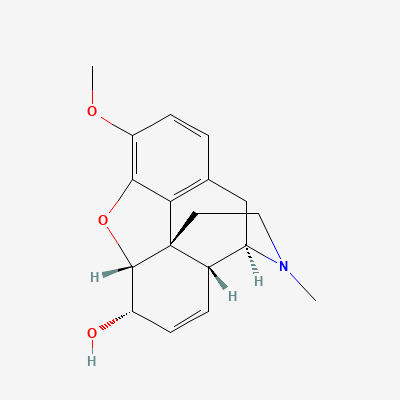
START
15-30 mg PO q4-6h PRN; assess pain severity; check CYP2D6 status if available; warn about constipation and drowsiness; avoid in children <12 and breastfeeding UMs
TYPICAL MAX
360 mg/day
STOP IF
Respiratory rate <10/min, severe constipation, signs of dependence, inadequate pain control (step up to stronger opioid)
WATCH
Pain scores, respiratory rate (especially when initiating or increasing dose), bowel function, sedation level, signs of misuse/dependence
CDSCO approvedATC R05DA04 (antitussive); N02AA59 (analgesic)
Dose laddermg/d
15start30titrate60ceiling
Renal dose adjustmenteGFR mL/min/1.73m²
FULLStandard dosing60CAUTIONUse with caution; reduce dose; monit…30AVOIDAvoid or use lowest dose with close …90

KDIGO 2024 + manufacturer label

Pharmacokineticsplasma · t hours
45minONSET1.3hPEAK3h5hDURATION
ONSET
45min · 30-45 min (analgesia)
PEAK
1.3h · 1-1.5 hours
3h · Codeine: 2.5-3.5h; Morphine: 2-4h
DURATION
5h · 4-6 hours
EXCRETION
Renal (metabolites)
route + CYP
INTERACTIONS
12 major
incl. contraindicated
PREGNANCY
Avoid in third trimester; risk of neonatal withdrawal; use only if clearly needed in first/second trimester
FDA category + note
Top interactionssee all 12
  • MaoisContraindicatedDatabaseKimi deep-research + Cla
  • ChlorpromazineSevereTextbook-citedKDT 7e · p950
  • DiazepamSevereTextbook-citedKDT 7e · p950
  • ImipramineSevereTextbook-citedKDT 7e · p950
Available in India

6 branded formulations and 195 fixed-dose combinations. Look up specific brands in the Drugs workspace.

Mechanism

Prodrug metabolized by CYP2D6 to morphine (active metabolite, ~10% conversion). Binds to mu-opioid receptors in CNS, producing analgesia, euphoria, sedation, and respiratory depression. Also acts on medullary cough center as an antitussive. Codeine itself has weak opioid activity.

Indications

Mild to moderate pain (when paracetamol/NSAIDs insufficient)Cough suppression (short-term)Diarrhea (off-label, limited use)

Dosing

Adult
Analgesia: 15-60 mg PO q4-6h PRN (max 360 mg/day). Cough: 10-20 mg PO q4-6h PRN (max 120 mg/day)
Pediatric
Contraindicated under 12 years for analgesia/cough; 12-18 years: use only if other analgesics contraindicated or insufficient
Renal adjustment
eGFR <30: avoid or use lowest dose; morphine accumulates
Hepatic adjustment
Reduce dose; avoid in severe hepatic impairment
Geriatric
Start 15 mg; increased sensitivity to respiratory depression and sedation
Max dose
360 mg/day (analgesia); 120 mg/day (cough)

Pharmacokinetics

Onset
Analgesia: 30-45 minutes; Cough: 15-30 minutes
Peak effect
1-1.5 hours (Tmax)
Duration
4-6 hours
Half-life
Codeine: 2.5-3.5 hours; Morphine (metabolite): 2-4 hours
Bioavailability
~50% (oral)
Protein binding
7-25%
Metabolism
Hepatic CYP2D6 (to morphine, 10%), CYP3A4 (to norcodeine), glucuronidation (codeine-6-glucuronide, 70-80%)
Excretion
Renal (primarily as metabolites)

Contraindications

  • Hypersensitivity to codeine
  • Respiratory depression
  • Acute or severe bronchial asthma
  • Paralytic ileus
  • GI obstruction
  • Ultra-rapid CYP2D6 metabolizers (increased morphine conversion, especially in children)
  • Children under 12 years (contraindicated for analgesia/cough)
  • Breastfeeding mothers (especially CYP2D6 UMs - infant morphine toxicity)
  • Post-operative pain in children following tonsillectomy/adenoidectomy (contraindicated)

Side effects

Common
ConstipationNauseaDrowsinessDizzinessDry mouthSweatingItchingUrinary retention
Serious
  • Respiratory depression (dose-related, potentially fatal)
  • Dependence and addiction
  • Severe constipation / ileus
  • Hypotension
  • Bradycardia
  • Seizures (overdose)
  • Anaphylaxis

Pregnancy & lactation

Pregnancy

Avoid in third trimester; risk of neonatal withdrawal; use only if clearly needed in first/second trimester

Lactation

Excreted in breast milk; CYP2D6 UMs can produce toxic morphine levels in infant; avoid if possible, especially in UMs

Drug interactions

Maois
Contraindicated
Database

Risk of serotonin syndrome and severe adverse reactions

Avoid combination

Source: Kimi deep-research + Cla

Chlorpromazine
Severe
Textbook-cited

Enhanced sedation and respiratory depression.

Avoid concurrent use

Source: KDT 7e · p950

Diazepam
Severe
Textbook-cited

Excessive sedation, respiratory depression, motor impairment.

Avoid concurrent use

Source: KDT 7e · p950

Imipramine
Severe
Textbook-cited

Enhanced sedation and respiratory depression

Avoid concurrent use

Source: KDT 7e · p950

Acetaminophen
Severe
Textbook

Acetaminophen-related hepatotoxicity, a significant cause for liver failure.

Many practitioners have moved away from opioid-acetaminophen combination analgesics to avoid the risk of excessive acetaminophen exposure.

Source: Harrison 22e · p98-99

Barbiturates
Severe
Textbook

Exaggerated CNS depression.

Source: KDT 7e · p401

Benzodiazepines
Severe
Textbook

Marked depression of respiration, cardiac contractility, and blood pressure.

Carefully monitor respiratory and cardiovascular functions when co-administering benzodiazepines with opioids due to increased risk of severe depression of vital signs.

Source: KDT 7e · p383

Chlordiazepoxide Hydrochloride
Severe
Textbook

Increased rates of accidental overdose and death.

Caution is advised, especially for patients with a history of drug abuse.

Source: G&G 14e

Clomethiazole
Severe
Textbook

Increased rates of accidental overdose and death.

Caution is advised, especially for patients with a history of drug abuse.

Source: G&G 14e

Clorazepate
Severe
Textbook

Increased number of deaths.

Avoid combination due to increased risk of respiratory depression and death.

Source: G&G 14e

Melatonin
Severe
Textbook

Increased rates of accidental overdose and death.

Caution is advised, especially for patients with a history of drug abuse.

Source: G&G 14e

Neuroleptics
Severe
Textbook

Increased CNS depression, potentially leading to overdose symptoms.

Not explicitly stated

Source: KDT 7e

Related guidelines

Ask House about Codeine

Continue into a citation-backed clinical answer with the drug context already attached.

Sources: KD Tripathi 7e, Goodman & Gilman 14e, Katzung, BNF·Verified: 2026-05-19 · House clinical team·Cockpit curated: 2026-05-19