Drug lookup
Drug reference

Colchicine

Anti-gout / antimitotic alkaloid · Antigout

Also known as Colchicum alkaloid
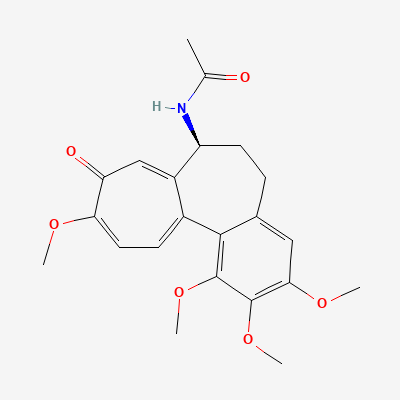
START
Acute gout: 1.2 mg, then 0.6 mg after 1 h
TYPICAL MAX
1.8 mg per flare; 1.2 mg/day prophylaxis
STOP IF
Diarrhoea/vomiting, myopathy, or cytopenias develop
WATCH
Renal/hepatic function, CBC, CK; CYP3A4/P-gp inhibitor co-use
CDSCO approvedSchedule HATC M04AC01
Dose laddermg/d
0.6prophylaxis1.2flare dose1.8flare max
Renal dose adjustmenteGFR mL/min/1.73m²
CAUTIONUsual dose; avoid stacking P-gp/CYP3A4 inhibitors30REDUCEReduce dose / extend in…10AVOIDAvoid; sev…90

KDIGO 2024 + manufacturer label

Pharmacokineticsplasma · t hours
30minONSET1.5hPEAK1.3d3dDURATION
ONSET
30min · absorption
PEAK
1.5h · Tmax
1.3d ·
DURATION
3d · tissue-retained
EXCRETION
Biliary/faecal; ~10–20% renal unchanged
route + CYP
INTERACTIONS
12 major
incl. contraindicated
PREGNANCY
Generally avoided; FMF — benefit may outweigh risk under specialist care.
FDA category + note
Top interactionssee all 12
  • LopinavirContraindicatedTextbookG&G 14e · p848, p854
  • P Glycoprotein InhibitorContraindicatedTextbookG&G 14e · p848, p854
  • ClarithromycinContraindicatedDatabaseDDInter
  • RitonavirContraindicatedDatabaseDDInter
Available in India

8 branded formulations. Look up specific brands in the Drugs workspace.

Mechanism

Binds tubulin and prevents microtubule polymerisation, inhibiting neutrophil chemotaxis, adhesion, and NLRP3 inflammasome activation — suppressing urate-crystal-induced inflammation without affecting urate levels.

Indications

Acute gout flareGout flare prophylaxisFamilial Mediterranean feverPericarditis (acute/recurrent)Behçet disease

Dosing

Adult
Acute gout: 1.2 mg PO at onset, then 0.6 mg 1 h later (max 1.8 mg over 1 h); prophylaxis 0.5–0.6 mg once–twice daily. FMF: 1–2 mg/day.
Pediatric
FMF: 0.5–2 mg/day by age/weight (specialist).
Renal adjustment
CrCl <30: reduce dose / increase interval; avoid prophylaxis with P-gp/CYP3A4 inhibitors. Not dialysable.
Hepatic adjustment
Severe impairment: reduce dose; avoid with CYP3A4/P-gp inhibitors.
Geriatric
Reduce dose; higher toxicity risk (renal decline).
Max dose
1.8 mg/day for an acute flare; 1.2 mg/day chronic prophylaxis

Pharmacokinetics

Onset
Symptom relief within ~12–24 h (acute gout)
Peak effect
0.5–2 h (Tmax)
Duration
Long intracellular retention (days)
Half-life
~20–40 h (longer in renal impairment)
Bioavailability
~45%
Protein binding
~39%
Metabolism
Hepatic CYP3A4; P-gp substrate
Excretion
Biliary/faecal; ~10–20% renal unchanged

Contraindications

  • Concomitant strong CYP3A4 or P-gp inhibitor in patients with renal OR hepatic impairment (fatal toxicity)
  • Severe renal impairment with P-gp/CYP3A4 inhibitor
  • Hypersensitivity

Side effects

Common
DiarrhoeaNauseaVomitingAbdominal pain
Serious
  • Myelosuppression (pancytopenia)
  • Rhabdomyolysis/neuromyopathy
  • Multi-organ failure in overdose
  • Fatal toxicity with CYP3A4/P-gp inhibitors in renal/hepatic impairment

Pregnancy & lactation

Pregnancy

Generally avoided; FMF — benefit may outweigh risk under specialist care.

Lactation

Excreted in milk; considered compatible at usual doses (monitor infant).

Drug interactions

Lopinavir
Contraindicated
Textbook

Life-threatening toxicities of colchicine.

The drug is contraindicated in patients with hepatic or renal impairment requiring concomitant therapy with CYP3A4 inhibitors.

Source: G&G 14e · p848, p854

P Glycoprotein Inhibitor
Contraindicated
Textbook

Life-threatening toxicities of colchicine.

The drug is contraindicated in patients with hepatic or renal impairment requiring concomitant therapy with P-glycoprotein inhibitors.

Source: G&G 14e · p848, p854

Clarithromycin
Contraindicated
Database

Life-threatening toxicities of colchicine.

The drug is contraindicated in patients with hepatic or renal impairment requiring concomitant therapy with CYP3A4 inhibitors.

Source: DDInter

Ritonavir
Contraindicated
Database

Life-threatening toxicities of colchicine.

The drug is contraindicated in patients with hepatic or renal impairment requiring concomitant therapy with CYP3A4 inhibitors.

Source: DDInter

Strong Cyp3a4 Inhibitors
Contraindicated
Database

Blocked colchicine metabolism

Avoid; if essential reduce dose drastically and monitor

Source: Kimi deep-research + Cla

Amiodarone
Severe
Database

Drug interaction classified as: excretion.

Source: DDInter

Amprenavir
Severe
Database

Drug interaction classified as: metabolism

Source: DDInter

Aprepitant
Severe
Database

Life-threatening toxicities of colchicine.

The drug is contraindicated in patients with hepatic or renal impairment requiring concomitant therapy with CYP3A4 inhibitors.

Source: DDInter

Atazanavir
Severe
Database

Drug interaction classified as: metabolism

Source: DDInter

Atorvastatin
Severe
Database

Rhabdomyolysis (rare but reported).

Monitor for muscle symptoms.

Source: DDInter

Azithromycin
Severe
Database

Drug interaction classified as: excretion.

Source: DDInter

Bepridil
Severe
Database

Drug interaction classified as: excretion

Source: DDInter

Related guidelines

Ask House about Colchicine

Continue into a citation-backed clinical answer with the drug context already attached.

Sources: KD Tripathi 7e, Goodman & Gilman 14e, Harrison 22e, Katzung·Verified: 2026-05-20 · House clinical team·Cockpit curated: 2026-05-20