Drug lookup
Drug reference

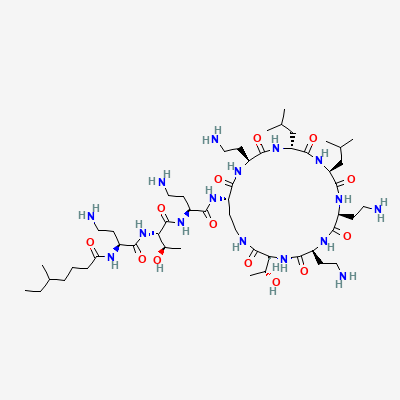
Colistin

Polymyxin antibiotic (lipopeptide) · Antibiotic

Also known as Colistimethate sodium, Colistin sulfate, Polymyxin E, CMS
START
Loading dose recommended (9 MIU CMS); check baseline creatinine and calculate eGFR; assess for concurrent nephrotoxins; reserve for MDR Gram-negative infections
TYPICAL MAX
5 mg/kg/day CBA equivalent
STOP IF
eGFR decline >50% from baseline, severe neurotoxicity, therapeutic alternatives become available, treatment course complete (usually 7-14 days)
WATCH
Serum creatinine and eGFR daily (nephrotoxicity), neuro symptoms (paresthesia, weakness), drug levels if available (target Cmax 2-4 mcg/mL), concurrent nephrotoxins
CDSCO approvedSchedule HATC J01XB01
Dose laddermg/d
2.5start5ceiling
Renal dose adjustmenteGFR mL/min/1.73m²
FULLStandard dosing 2.5-5 mg/kg/day CBA60REDUCEReduce dose by 25-50%; extend interv…30REDUCEReduce dose by 50-75%; extend interv…90

KDIGO 2024 + manufacturer label

Pharmacokineticsplasma · t hours
2hONSET2hPEAK14.4h12hDURATION
ONSET
2h · Rapid bactericidal onset
PEAK
2h · CMS peak (prodrug)
14.4h · Colistin half-life
DURATION
12h · 8-12 hour dosing interval
EXCRETION
Renal (majority)
route + CYP
INTERACTIONS
5 major
SEVERE in our sources
PREGNANCY
Avoid in pregnancy if alternatives available; limited data - animal studies show fetal toxicity at high doses
FDA category + note
Top interactionssee all 6
  • AmikacinSevereDatabase
  • AminoglycosidesSevereDatabaseKimi deep-research + Cla
  • Amphotericin BSevereDatabaseKimi deep-research + Cla
  • Neuromuscular Blocking AgentsSevereDatabaseKimi deep-research + Cla
Available in India

251 branded formulations. Look up specific brands in the Drugs workspace.

Mechanism

Cationic lipopeptide that binds to negatively charged phosphate groups on lipopolysaccharide (LPS) and phospholipids in the outer membrane of Gram-negative bacteria, disrupting membrane integrity and increasing permeability. Bactericidal action via cell lysis. Effective against most Gram-negative bacilli including Pseudomonas, Acinetobacter, and Enterobacterales.

Indications

Serious infections caused by multidrug-resistant (MDR) Gram-negative bacilli (carbapenem-resistant Enterobacterales, MDR Pseudomonas, MDR Acinetobacter)Hospital-acquired / ventilator-associated pneumonia (HAP/VAP) due to MDR Gram-negativesComplicated intra-abdominal infections (MDR)Adjunctive therapy for cystic fibrosis (inhaled colistimethate)

Dosing

Adult
IV: 2.5-5 mg/kg/day (colistin base activity, CBA) in 2-3 divided doses OR 9 MIU loading then 4.5 MIU q12h (colistimethate sodium, CMS). Inhaled: 1-2 MIU q8h via nebulizer
Pediatric
IV: 2-5 mg/kg/day CBA in 2-3 divided doses. Limited safety data in children
Renal adjustment
Essential - see renal zones. Colistin is significantly renally cleared
Hepatic adjustment
No adjustment needed; not hepatically metabolized
Geriatric
Start at lower dose; monitor renal function and neurotoxicity closely
Max dose
5 mg/kg/day CBA (IV); 6 MIU/day inhaled

Pharmacokinetics

Onset
Rapid bactericidal effect
Peak effect
CMS (prodrug): 1-2 hours; Colistin: gradual accumulation over 24-48 hours
Duration
8-12 hours
Half-life
CMS: 2-3 hours; Colistin: 14.4 hours
Bioavailability
PO: <1%; IV: 100%; Inhaled: variable (10-40% systemic absorption)
Protein binding
Colistin: ~50%; CMS: minimal
Metabolism
CMS hydrolyzed to active colistin in plasma (slow conversion)
Excretion
Renal (majority, primarily as CMS and colistin)

Contraindications

  • Hypersensitivity to colistin
  • Myasthenia gravis (may worsen neuromuscular blockade)

Side effects

Common
Nephrotoxicity (20-60% - dose-dependent and reversible)Neurotoxicity (7-27%): paresthesia, dizziness, vertigoNauseaRash
Serious
  • Acute kidney injury (AKI) - most common dose-limiting toxicity
  • Neuromuscular blockade / apnea (especially with anesthesia or other NMB agents)
  • Respiratory arrest (rare, with rapid IV push)
  • Bronchospasm (inhaled form)
  • Severe allergic reactions

Pregnancy & lactation

Pregnancy

Avoid in pregnancy if alternatives available; limited data - animal studies show fetal toxicity at high doses

Lactation

Excretion in breast milk unknown; use with caution during breastfeeding

Drug interactions

Amikacin
Severe
Database

Increased risk of acute kidney injury and respiratory depression/paralysis

Avoid concomitant use due to high risk of toxicity. If no other options, monitor renal function and respiratory status extremely closely. Be prepared for respiratory support.

Aminoglycosides
Severe
Database

Additive nephrotoxicity and neuromuscular blockade

Avoid if possible; if unavoidable, monitor renal function and neuro status very closely

Source: Kimi deep-research + Cla

Amphotericin B
Severe
Database

Additive nephrotoxicity

Avoid concurrent use if possible; monitor renal function closely

Source: Kimi deep-research + Cla

Neuromuscular Blocking Agents
Severe
Database

Colistin has intrinsic NMB activity; additive paralysis risk

Avoid concurrent use; if unavoidable, use lowest NMB dose with neuromuscular monitoring

Source: Kimi deep-research + Cla

Vancomycin
Severe
Database

Additive nephrotoxicity; both are renally cleared and nephrotoxic

Monitor renal function daily; consider alternatives

Source: Kimi deep-research + Cla

Diuretics
Moderate
Database

Additive nephrotoxicity; diuretics may worsen renal function in critically ill patients

Monitor renal function closely

Source: Kimi deep-research + Cla

Related guidelines

Ask House about Colistin

Continue into a citation-backed clinical answer with the drug context already attached.

Sources: KD Tripathi 7e, Goodman & Gilman 14e, Harrison 22e, Katzung·Verified: 2026-05-19 · House clinical team·Cockpit curated: 2026-05-19