Drug lookup
Drug reference

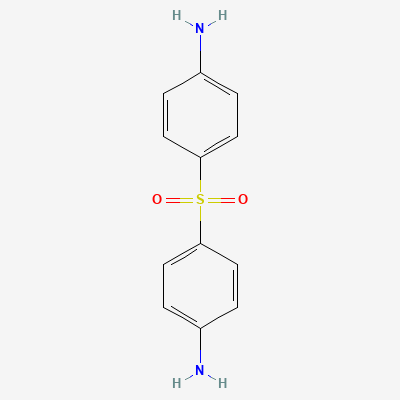
Dapsone

Sulfone antibacterial / anti-inflammatory · Antileprotic

Also known as Diaminodiphenyl Sulfone, DDS
START
Test G6PD first; leprosy/PCP prophylaxis 100 mg PO daily; DH 50 mg/day titrate
TYPICAL MAX
~300 mg/day (DH short-term highest); leprosy/PCP 100 mg/day
STOP IF
Dapsone hypersensitivity syndrome (DRESS), severe haemolysis/methaemoglobinaemia, agranulocytosis, motor neuropathy
WATCH
G6PD before therapy, FBC/reticulocytes (weekly early then periodic), methaemoglobin if cyanosis, LFTs, DRESS in first 8 weeks
CDSCO approvedSchedule HJan AushadhiNPPA price-controlledATC J04BA02
Dose laddermg/d
50DH start / low100titrate200higher DH/day300ceiling
Renal dose adjustmenteGFR mL/min/1.73m²
FULLUsual dosing30CAUTIONCaution (metabolite accumulation); m…90

KDIGO 2024 + manufacturer label

Pharmacokineticsplasma · t hours
4hONSET4hPEAK1.1d1dDURATION
ONSET
4h · absorption
PEAK
4h · Cmax
1.1d · plasma t½
DURATION
1d · once-daily
EXCRETION
Hepatic acetylation/CYP; ~80% renal metabolites
route + CYP
INTERACTIONS
9 major
SEVERE in our sources
PREGNANCY
Use if clearly needed (leprosy, PCP prophylaxis) — generally continued; monitor for haemolysis (give folate)
FDA category + note
Top interactionssee all 12
  • Aminolevulinic AcidSevereDatabaseDDInter
  • CladribineSevereDatabaseDDInter
  • ClozapineSevereDatabaseDDInter
  • DeferiproneSevereDatabaseDDInter
Available in India

6 branded formulations and 4 fixed-dose combinations. Look up specific brands in the Drugs workspace.

Jan Aushadhi — generic available at GoI pharmacies

Mechanism

Inhibits bacterial dihydropteroate synthase (folate synthesis — antibacterial vs M. leprae, Pneumocystis); separately suppresses neutrophil myeloperoxidase/oxidant function (anti-inflammatory in dermatologic disease).

Indications

Leprosy (multidrug therapy component)Pneumocystis jirovecii pneumonia treatment/prophylaxis (alternative)Dermatitis herpetiformisOther neutrophilic dermatoses (off-label); toxoplasmosis prophylaxis (with pyrimethamine)

Dosing

Adult
Leprosy: 100 mg PO daily (with rifampicin ± clofazimine). PCP prophylaxis: 100 mg PO daily (or 50 mg + others). Dermatitis herpetiformis: 50 mg/day, titrate to 100–300 mg/day to control then minimise.
Pediatric
1–2 mg/kg/day (per indication; G6PD-tested).
Renal adjustment
No specific adjustment; caution in severe impairment (metabolite accumulation).
Hepatic adjustment
Caution; monitor (hepatic metabolism; hepatotoxicity).
Geriatric
No specific adjustment; monitor haematology.
Max dose
~300 mg/day (dermatitis herpetiformis, short-term highest)

Pharmacokinetics

Onset
Antibacterial over weeks; dermatologic response days–weeks
Peak effect
Cmax ~2–8 h
Duration
Once daily
Half-life
~20–30 h (variable; enterohepatic recirculation)
Bioavailability
~70–80%
Protein binding
~70–90%
Metabolism
Hepatic N-acetylation (acetylator status) + CYP-mediated N-hydroxylation (→ haemotoxic hydroxylamine)
Excretion
Renal (~70–85%, metabolites; some unchanged) and biliary

Contraindications

  • Severe G6PD deficiency (test before — haemolysis)
  • Severe hypersensitivity / prior dapsone hypersensitivity syndrome
  • Significant pre-existing anaemia (relative — correct/monitor)

Side effects

Common
Dose-related haemolysis (especially G6PD deficiency)Methaemoglobinaemia (cyanosis, fatigue, headache)Nausea/anorexiaHeadache, dizziness
Serious
  • Severe haemolytic anaemia (G6PD)
  • Severe methaemoglobinaemia
  • Dapsone hypersensitivity syndrome (DRESS: fever, rash, hepatitis, eosinophilia — potentially fatal)
  • Agranulocytosis
  • Peripheral motor neuropathy; hepatotoxicity

Pregnancy & lactation

Pregnancy

Use if clearly needed (leprosy, PCP prophylaxis) — generally continued; monitor for haemolysis (give folate)

Lactation

Excreted in milk → infant haemolysis risk (esp. G6PD); monitor infant or avoid

Drug interactions

Aminolevulinic Acid
Severe
Database

Drug interaction classified as: synergy

Source: DDInter

Cladribine
Severe
Database

Drug interaction classified as: synergy

Source: DDInter

Clozapine
Severe
Database

Drug interaction classified as: synergy

Source: DDInter

Deferiprone
Severe
Database

Clinical effect not specified

Source: DDInter

Nitrous Acid
Severe
Database

Clinical effect not specified

Source: DDInter

Other Oxidant
Severe
Database

Additive haemolysis/methaemoglobinaemia

Avoid combination; especially with G6PD deficiency

Source: Kimi deep-research + Cla

Prilocaine
Severe
Database

Clinical effect not specified

Source: DDInter

Saquinavir
Severe
Database

Clinical effect not specified

Source: DDInter

Trimethoprim
Severe
Database

Mutual level increase → enhanced haematologic toxicity (methaemoglobinaemia)

Monitor closely if combined (PCP regimens); check methaemoglobin

Source: Kimi deep-research + Cla

Rifampin
Moderate
Textbook

Synergism in leprosy.

Source: KDT 7e · p699

Folic Acid Antagonists
Moderate
Database

Additive marrow suppression

Monitor blood counts

Source: Kimi deep-research + Cla

Paracetamol
Moderate
Database

Increased risk of methemoglobinemia.

Monitor for signs of methemoglobinemia (e.g., cyanosis, dyspnea). Avoid co-administration in G6PD deficient patients. Consider alternative analgesics.

Source: DDInter

Related guidelines

Ask House about Dapsone

Continue into a citation-backed clinical answer with the drug context already attached.

Sources: KD Tripathi 7e, Goodman & Gilman 14e, Harrison 22e, Katzung·Verified: 2026-05-19 · House clinical team·Cockpit curated: 2026-05-19