Drug lookup
Drug reference

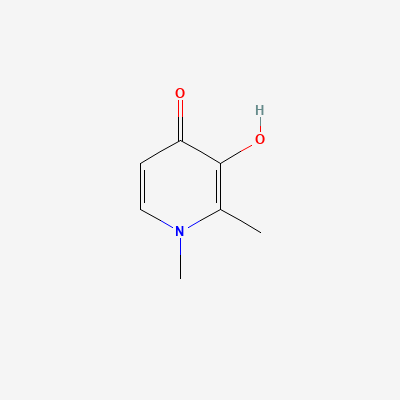
Deferiprone

Oral iron chelator (bidentate) · Treatment of iron overload

Also known as Ferriprox
START
25 mg/kg PO three times daily; titrate per iron burden
TYPICAL MAX
99 mg/kg/day (33 mg/kg TID)
STOP IF
ANC <500 (any febrile episode), grade ≥3 hepatic enzyme rise, or severe arthritis
WATCH
Weekly CBC (mandatory) — boxed agranulocytosis; LFTs, ferritin/cardiac MRI T2*
CDSCO approvedATC V03AC02
Dose laddermg/d
25mg/kg/dose50mg/kg BID99mg/kg/day
Renal dose adjustmenteGFR mL/min/1.73m²
CAUTIONStandard dosing; monitor30REDUCECaution; reduce if significant90

KDIGO 2024 + manufacturer label

Pharmacokineticsplasma · t hours
30minONSET1.5hPEAK2h8hDURATION
ONSET
30min · absorption
PEAK
1.5h · Tmax
2h ·
DURATION
8h · TID
EXCRETION
Mainly renal — glucuronide / Fe complex
route + CYP
INTERACTIONS
12 major
SEVERE in our sources
PREGNANCY
Contraindicated — animal teratogenicity.
FDA category + note
Top interactionssee all 12
  • AbemaciclibSevereDatabaseDDInter
  • AcalabrutinibSevereDatabaseDDInter
  • AdalimumabSevereDatabaseDDInter
  • AfliberceptSevereDatabaseDDInter

Mechanism

Bidentate iron chelator that binds ferric iron (Fe³⁺) in a 3:1 complex, mobilising iron from intracellular stores (especially cardiac myocytes) and promoting urinary excretion; useful for cardiac iron overload in transfusion-dependent thalassaemia.

Indications

Transfusional iron overload in thalassaemia syndromes (when other chelators inadequate or contraindicated)

Dosing

Adult
25–33 mg/kg PO three times daily (75–99 mg/kg/day); typical maintenance ~75 mg/kg/day. Dose-banded BID regimens (50 mg/kg BID) also approved.
Pediatric
Children ≥6 y per weight (specialist).
Renal adjustment
Caution in significant impairment; no fixed adjustment.
Hepatic adjustment
Caution; reduce if significant.
Geriatric
Standard adult dosing; monitor closely.
Max dose
99 mg/kg/day (33 mg/kg TID)

Pharmacokinetics

Onset
Chelation within hours
Peak effect
~1–2 h (Tmax)
Duration
~8 h (TID dosing)
Half-life
~2 h
Bioavailability
Well absorbed orally
Protein binding
~10%
Metabolism
Hepatic glucuronidation
Excretion
Mainly renal (~85% as glucuronide / iron complex)

Contraindications

  • History of agranulocytosis with deferiprone
  • Severe hypersensitivity
  • Pregnancy (animal teratogenicity)

Side effects

Common
Nausea/vomitingAbdominal painArthralgia / joint painChromaturia (red-brown urine)Increased ALT
Serious
  • Agranulocytosis / severe neutropenia (boxed)
  • Hepatotoxicity
  • Severe arthropathy
  • Zinc deficiency

Pregnancy & lactation

Pregnancy

Contraindicated — animal teratogenicity.

Lactation

Avoid breastfeeding during therapy.

Drug interactions

Abemaciclib
Severe
Database

Drug interaction classified as: synergy

Source: DDInter

Acalabrutinib
Severe
Database

Drug interaction classified as: synergy

Source: DDInter

Adalimumab
Severe
Database

Drug interaction classified as: synergy

Source: DDInter

Aflibercept
Severe
Database

Drug interaction classified as: synergy

Source: DDInter

Aldesleukin
Severe
Database

Drug interaction classified as: synergy

Source: DDInter

Alemtuzumab
Severe
Database

Drug interaction classified as: synergy

Source: DDInter

Allopurinol
Severe
Database

Drug interaction classified as: synergy

Source: DDInter

Altretamine
Severe
Database

Drug interaction classified as: synergy

Source: DDInter

Anakinra
Severe
Database

Drug interaction classified as: synergy

Source: DDInter

Antithymocyte Immunoglobulin (rabbit)
Severe
Database

Drug interaction classified as: synergy

Source: DDInter

Arsenic Trioxide
Severe
Database

Drug interaction classified as: synergy

Source: DDInter

Auranofin
Severe
Database

Drug interaction classified as: synergy

Source: DDInter

Related guidelines

Ask House about Deferiprone

Continue into a citation-backed clinical answer with the drug context already attached.

Sources: KD Tripathi 7e, Katzung, BNF·Verified: 2026-05-20 · House clinical team·Cockpit curated: 2026-05-20