Drug lookup
Drug reference

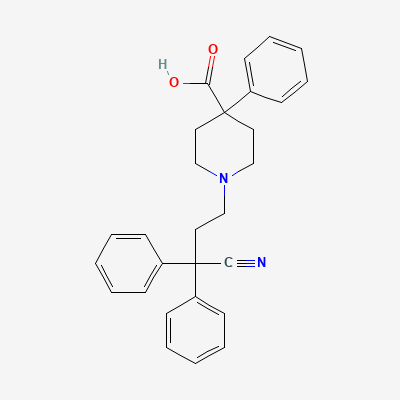
difenoxin

Opioid antidiarrhoeal (active metabolite of diphenoxylate) · Antidiarrheal
START
2 mg PO, then 1 mg after each loose stool
TYPICAL MAX
8 mg/day; stop if no benefit in 48 h
STOP IF
Fever/bloody stool (invasive infection), abdominal distension, or CNS depression
WATCH
Stool pattern, hydration, signs of obstruction; avoid in toxin-mediated colitis
CDSCO approvedATC A07DA04
Dose laddermg/d
2loading4usual/day8max/day
Renal dose adjustmenteGFR mL/min/1.73m²
CAUTIONNo dose adjustment at any eGFR; caution90

KDIGO 2024 + manufacturer label

Pharmacokineticsplasma · t hours
1hONSET2hPEAK13h5hDURATION
ONSET
1h · absorption
PEAK
2h · Tmax
13h ·
DURATION
5h · per dose
EXCRETION
Mainly biliary/faecal elimination
route + CYP
INTERACTIONS
2 major
SEVERE in our sources
PREGNANCY
Avoid; limited data.
FDA category + note
Top interactionssee all 4
  • Cns DepressantsSevereDatabaseKimi deep-research + Cla
  • Mao InhibitorsSevereDatabaseKimi deep-research + Cla

Mechanism

Peripheral μ-opioid receptor agonist on intestinal smooth muscle that reduces propulsive motility and increases intestinal water absorption; co-formulated with atropine to deter recreational misuse.

Indications

Acute non-specific diarrhoea (with atropine)

Dosing

Adult
Initial 2 mg (2 tablets), then 1 mg (1 tablet) after each loose stool; max 8 mg/day. Discontinue if no improvement in 48 h.
Pediatric
Not recommended (<12 y); avoid <2 y.
Renal adjustment
No specific adjustment; caution.
Hepatic adjustment
Caution in significant hepatic disease.
Geriatric
Lower doses; CNS/anticholinergic risk.
Max dose
8 mg/day (4 doses of 2 mg)

Pharmacokinetics

Onset
~1 h
Peak effect
~2 h
Duration
~4–6 h
Half-life
~12–14 h
Bioavailability
~90% (oral)
Protein binding
Moderate
Metabolism
Hepatic
Excretion
Mainly biliary/faecal

Contraindications

  • Children <2 years
  • Pseudomembranous colitis / antibiotic-associated colitis
  • Obstructive jaundice
  • Diarrhoea due to invasive pathogens (Salmonella, Shigella, C. difficile)
  • Hypersensitivity

Side effects

Common
Dry mouth (atropine)DrowsinessConstipationNauseaDizziness
Serious
  • Toxic megacolon (in colitis)
  • Respiratory depression (overdose / children)
  • CNS depression with alcohol/opioids
  • Atropine toxicity (especially children)

Pregnancy & lactation

Pregnancy

Avoid; limited data.

Lactation

Avoid (excreted in milk; neonatal sedation/atropine effects).

Drug interactions

Cns Depressants
Severe
Database

Additive CNS/respiratory depression

Avoid combination

Source: Kimi deep-research + Cla

Mao Inhibitors
Severe
Database

Hypertensive crisis (atropine + opioid)

Avoid combination

Source: Kimi deep-research + Cla

Anticholinergics
Moderate
Database

Additive antimuscarinic effects (atropine)

Avoid stacking

Source: Kimi deep-research + Cla

Drugs That Slow Gi Motility
Moderate
Database

Additive ileus/megacolon risk

Avoid in colitis

Source: Kimi deep-research + Cla

8 additional low-confidence interactions hidden — those rows lack a documented mechanism or management plan in our sources.

Related guidelines

Ask House about difenoxin

Continue into a citation-backed clinical answer with the drug context already attached.

Sources: Goodman & Gilman 14e·Verified: 2026-05-20 · House clinical team·Cockpit curated: 2026-05-20