Drug lookup
Drug reference

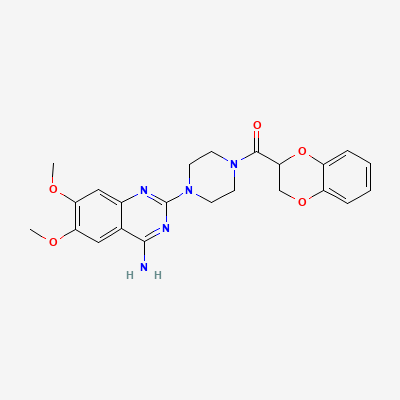
Doxazosin

Alpha-1 adrenergic antagonist (quinazoline) · Antihypertensive, Benign Prostatic Hyperplasia Agent
START
1 mg PO at bedtime (first-dose hypotension risk)
TYPICAL MAX
16 mg/day (HTN); 8 mg/day (BPH or modified-release)
STOP IF
Syncope, severe orthostatic hypotension, or priapism
WATCH
Postural BP, dizziness; warn ophthalmologist (IFIS) before cataract surgery
CDSCO approvedSchedule HATC C02CA04
Dose laddermg/d
1start2titrate4usual8BPH max16HTN ceiling
Renal dose adjustmenteGFR mL/min/1.73m²
FULLNo dose adjustment at any eGFR90

KDIGO 2024 + manufacturer label

Pharmacokineticsplasma · t hours
2hONSET3hPEAK22h1dDURATION
ONSET
2h · BP effect
PEAK
3h · Cmax (IR)
22h ·
DURATION
1d · once-daily
EXCRETION
Mainly biliary/faecal; <5% renal unchanged
route + CYP
INTERACTIONS
3 major
SEVERE in our sources
PREGNANCY
Limited human data; use only if clearly needed (animal data without major teratogenicity).
FDA category + note
Top interactionssee all 9
  • BoceprevirSevereDatabaseDDInter
  • Sodium OxybateSevereDatabaseDDInter
  • TizanidineSevereDatabaseDDInter
Available in India

8 branded formulations. Look up specific brands in the Drugs workspace.

Mechanism

Selective post-synaptic alpha-1 adrenoceptor blockade relaxes vascular smooth muscle (reducing peripheral resistance and BP) and relaxes prostatic/bladder-neck and urethral smooth muscle, improving urinary flow in BPH.

Indications

HypertensionBenign prostatic hyperplasia (LUTS)

Dosing

Adult
HTN/BPH: 1 mg PO once daily (bedtime), titrate slowly every 1–2 weeks; usual 1–8 mg/day. Modified-release: 4 mg once daily, max 8 mg/day.
Pediatric
Not established.
Renal adjustment
No dose adjustment required (not significantly renally excreted).
Hepatic adjustment
Caution; not recommended in severe hepatic impairment (extensively hepatically metabolised).
Geriatric
Start 1 mg; greater orthostatic-hypotension risk.
Max dose
16 mg/day (immediate-release, hypertension); 8 mg/day (BPH / modified-release)

Pharmacokinetics

Onset
1–2 h (BP); 1–2 weeks for full antihypertensive effect
Peak effect
2–3 h (immediate-release)
Duration
~24 h
Half-life
~22 h
Bioavailability
~65%
Protein binding
~98%
Metabolism
Extensive hepatic (CYP3A4, O-demethylation/hydroxylation)
Excretion
Mainly biliary/faecal; <5% renal unchanged

Contraindications

  • Hypersensitivity to quinazolines (prazosin, terazosin, doxazosin)
  • History of postural hypotension/syncope with alpha-blockers
  • Concomitant PDE-5 inhibitor with caution (additive hypotension)

Side effects

Common
DizzinessHeadacheFatiguePostural hypotensionPeripheral oedemaSomnolence
Serious
  • First-dose syncope
  • Severe orthostatic hypotension
  • Priapism
  • Intraoperative floppy iris syndrome

Pregnancy & lactation

Pregnancy

Limited human data; use only if clearly needed (animal data without major teratogenicity).

Lactation

Excreted in animal milk; caution — limited human data.

Drug interactions

Boceprevir
Severe
Database

Drug interaction classified as: metabolism

Source: DDInter

Sodium Oxybate
Severe
Database

.

Source: DDInter

Tizanidine
Severe
Database

Clinical effect not specified

Source: DDInter

Acebutolol
Moderate
Database

Increased antihypertensive effect.

This combination is often used to achieve better blood pressure control and manage reflex tachycardia from alpha-1 blockers.

Source: DDInter

Betaxolol
Moderate
Database

Increased antihypertensive effect.

This combination is often used to achieve better blood pressure control and manage reflex tachycardia from alpha-1 blockers.

Source: DDInter

Carteolol
Moderate
Database

Increased antihypertensive effect.

This combination is often used to achieve better blood pressure control and manage reflex tachycardia from alpha-1 blockers.

Source: DDInter

Carvedilol
Moderate
Database

Increased antihypertensive effect.

This combination is often used to achieve better blood pressure control and manage reflex tachycardia from alpha-1 blockers.

Source: DDInter

Metoprolol
Moderate
Database

Increased antihypertensive effect.

This combination is often used to achieve better blood pressure control and manage reflex tachycardia from alpha-1 blockers.

Source: DDInter

Nebivolol
Moderate
Database

Increased antihypertensive effect.

This combination is often used to achieve better blood pressure control and manage reflex tachycardia from alpha-1 blockers.

Source: DDInter

3 additional low-confidence interactions hidden — those rows lack a documented mechanism or management plan in our sources.

Related guidelines

Ask House about Doxazosin

Continue into a citation-backed clinical answer with the drug context already attached.

Sources: KD Tripathi 7e, Goodman & Gilman 14e, Harrison 22e, BNF·Verified: 2026-05-20 · House clinical team·Cockpit curated: 2026-05-20