Drug lookup
Drug reference

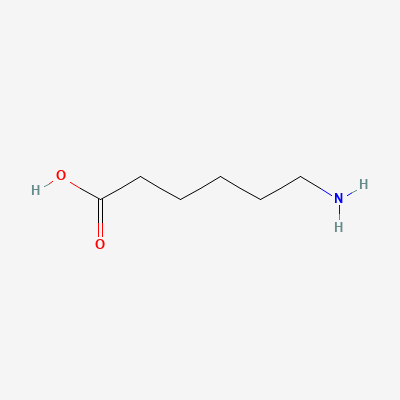
epsilon amino-caproic acid

Antifibrinolytic (lysine analogue) · Antifibrinolytic
START
4–5 g IV/PO first hour, then ~1 g/h until bleeding controlled
TYPICAL MAX
~30 g/24 h
STOP IF
Thrombosis, myopathy/rising CK, or renal obstruction
WATCH
CK (prolonged use), renal function, signs of thrombosis
CDSCO approvedATC B02AA01
Dose laddermg/d
5kloading24kusual/day30kmax/24h
Renal dose adjustmenteGFR mL/min/1.73m²
CAUTIONUsual dosing50REDUCEReduce dose substantially10REDUCEMarked red…90

KDIGO 2024 + manufacturer label

Pharmacokineticsplasma · t hours
15minONSET1.5hPEAK2h3hDURATION
ONSET
15min · absorption
PEAK
1.5h · Tmax
2h ·
DURATION
3h · needs re-dosing
EXCRETION
Renal — largely unchanged
route + CYP
INTERACTIONS
3 major
SEVERE in our sources
PREGNANCY
Use only if clearly needed; limited data.
FDA category + note
Top interactionssee all 5
  • Combined Hormonal ContraceptivesSevereDatabaseKimi deep-research + Cla
  • Prothrombin ComplexSevereDatabaseKimi deep-research + Cla
  • TretinoinSevereDatabaseKimi deep-research + Cla

Mechanism

Competitively inhibits plasminogen activation (binds the lysine-binding site), preventing conversion to plasmin and stabilising fibrin clots — reduces fibrinolysis-mediated bleeding.

Indications

Bleeding from systemic hyperfibrinolysisBleeding in fibrinolytic-therapy overdoseAdjunct in haemophilia/mucosal bleeding (e.g., dental, prostatic surgery)Subarachnoid haemorrhage rebleed prevention (selected/historical)

Dosing

Adult
Acute bleeding: 4–5 g IV/PO in the first hour, then 1–1.25 g/h (or 1 g/h) for ~8 h or until controlled; max ~30 g/24 h.
Pediatric
100 mg/kg (or 3 g/m²) initial, then 33 mg/kg/h (specialist).
Renal adjustment
Reduce dose substantially in renal impairment (renally excreted, accumulation).
Hepatic adjustment
No specific adjustment.
Geriatric
Caution; thrombosis/accumulation risk.
Max dose
~30 g/24 h

Pharmacokinetics

Onset
Rapid (IV minutes)
Peak effect
~1–2 h (oral); IV rapid
Duration
~3 h (short — requires continued dosing)
Half-life
~2 h
Bioavailability
Well absorbed orally
Protein binding
Negligible
Metabolism
Minimal
Excretion
Renal (largely unchanged)

Contraindications

  • Active intravascular clotting / DIC (without concurrent heparin)
  • Evidence of active thromboembolic disease
  • Upper urinary tract bleeding (clot obstruction — relative)
  • Hypersensitivity

Side effects

Common
Nausea/vomitingDiarrhoeaHypotension (rapid IV)DizzinessNasal congestion
Serious
  • Thrombosis (venous/arterial)
  • Rhabdomyolysis/myopathy (prolonged high dose)
  • Renal failure (intrarenal clot, ureteral obstruction)
  • Severe hypotension/bradycardia (rapid IV)

Pregnancy & lactation

Pregnancy

Use only if clearly needed; limited data.

Lactation

Limited data; caution.

Drug interactions

Combined Hormonal Contraceptives
Severe
Database

Additive thrombotic risk

Avoid combination

Source: Kimi deep-research + Cla

Prothrombin Complex
Severe
Database

Additive prothrombotic effect

Avoid concurrent; use with caution

Source: Kimi deep-research + Cla

Tretinoin
Severe
Database

Additive procoagulant effect

Avoid combination

Source: Kimi deep-research + Cla

Antifibrinolytics
Moderate
Database

Duplicate therapy

Do not duplicate

Source: Kimi deep-research + Cla

Fibrinolytics
Moderate
Database

Direct antagonism

Use intentionally only to reverse bleeding

Source: Kimi deep-research + Cla

Related guidelines

Ask House about epsilon amino-caproic acid

Continue into a citation-backed clinical answer with the drug context already attached.

Sources: KD Tripathi 7e·Verified: 2026-05-20 · House clinical team·Cockpit curated: 2026-05-20