Drug lookup
Drug reference

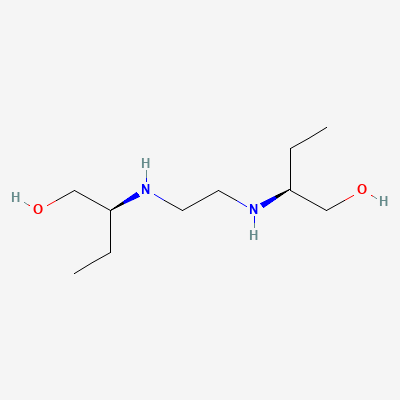
Ethambutol

First-line antitubercular agent · Anti-tuberculosis drug

Also known as Ethambutol HCl
START
Baseline visual acuity, color vision (Ishihara plates), fundoscopy. Baseline LFTs and uric acid. Ensure combination therapy (never monotherapy for TB).
TYPICAL MAX
2.5g/dose. Use 15mg/kg for elderly and renal impairment to reduce optic neuropathy risk. Doses >20mg/kg increase optic neuritis risk.
STOP IF
Any visual changes (decreased acuity, color vision loss, visual field defects), severe rash, severe hyperuricemia with gout symptoms.
WATCH
Monthly eye exams (visual acuity, color vision, visual fields) during therapy. Optic neuritis is typically bilateral and reversible if drug stopped promptly. Hyperuricemia is common but usually asymptomatic. Renal function affects clearance—adjust dose if CrCl <30.
CDSCO approvedSchedule HJan AushadhiATC J04AK02
Dose laddermg/d
800start1ktitrate1.2ktitrate1.5ktitrate2.5kMax per dose
Renal dose adjustmenteGFR mL/min/1.73m²
FULLStandard dosing30REDUCE15-25mg/kg 3x/week (not…10REDUCE15mg/kg 3x…90

KDIGO 2024 + manufacturer label

Pharmacokineticsplasma · t hours
30minONSET3hPEAK3.5h1dDURATION
ONSET
30min · Onset ~30 min
PEAK
3h · Tmax 2-4 hours
3.5h · t½ ~3-4 hours
DURATION
1d · 24 hours (QD)
EXCRETION
Renal unchanged (~50%)
route + CYP
INTERACTIONS
6 major
SEVERE in our sources
PREGNANCY
Safe in pregnancy—no teratogenic effects documented. Essential component of standard TB regimens in pregnancy.
FDA category + note
Top interactionssee all 12
  • LeflunomideSevereDatabaseDDInter
  • LomitapideSevereDatabaseDDInter
  • MipomersenSevereDatabaseDDInter
  • PexidartinibSevereDatabaseDDInter
Available in India

101 branded formulations. Look up specific brands in the Drugs workspace.

Jan Aushadhi — generic available at GoI pharmacies

Mechanism

Inhibits arabinosyl transferase enzymes involved in the polymerization of arabinogalactan, an essential component of the mycobacterial cell wall. Specifically inhibits synthesis of arabinogalactan and lipoarabinomannan. Bacteriostatic against Mycobacterium tuberculosis.

Indications

Tuberculosis (active disease—first-line, in combination)Atypical mycobacterial infections (M. avium complex, M. kansasii—in combination)Mycobacterium marinum infections

Dosing

Adult
Active TB: 15-25mg/kg PO daily (max 2.5g) or 50mg/kg 2-3x/week (DOT, max 2.5g). Usually 15-20mg/kg daily in standard 4-drug regimen. MAC: 15mg/kg daily with clarithromycin + rifabutin.
Pediatric
15-25mg/kg/day PO (max 2.5g). Use with caution in children unable to report visual changes.
Renal adjustment
CrCl <30: 15-25mg/kg 3x/week (avoid daily dosing); or reduce dose 50%.
Hepatic adjustment
No adjustment needed (minimal hepatic metabolism).
Geriatric
Use 15mg/kg (lower end); increased optic neuropathy risk with age; monthly eye exams essential.
Max dose
2.5g/dose

Pharmacokinetics

Onset
Bacteriostatic effect; clinical improvement 2-4 weeks
Peak effect
Tmax 2-4 hours; CSF penetration: 10-50% of serum (inflamed meninges)
Duration
24 hours (QD dosing)
Half-life
~3-4 hours; prolonged to ~8 hours in renal impairment
Bioavailability
~80%
Protein binding
~20-30%
Metabolism
Minimal hepatic metabolism; ~50% converted to inactive aldehyde and dicarboxylic acid metabolites
Excretion
~50% unchanged in urine; ~15% fecal; ~8% as inactive metabolites

Contraindications

  • Optic neuritis (pre-existing)
  • Severe visual impairment
  • Hypersensitivity to ethambutol
  • Inability to report visual symptoms (young children—relative contraindication)

Side effects

Common
Optic neuritis (dose-dependent; reversible if detected early)Color vision disturbance (red-green discrimination loss)NauseaAnorexiaAbdominal painHyperuricemia (asymptomatic)
Serious
  • Retrobulbar optic neuritis (reversible with early discontinuation; may be permanent with continued use)
  • Peripheral neuropathy
  • Thrombocytopenia
  • Severe cutaneous reactions
  • Hepatotoxicity (rare)

Pregnancy & lactation

Pregnancy

Safe in pregnancy—no teratogenic effects documented. Essential component of standard TB regimens in pregnancy.

Lactation

Compatible with breastfeeding; excreted in milk in small amounts. Continue breastfeeding.

Drug interactions

Leflunomide
Severe
Database

Drug interaction classified as: synergy

Source: DDInter

Lomitapide
Severe
Database

Drug interaction classified as: synergy

Source: DDInter

Mipomersen
Severe
Database

Drug interaction classified as: synergy

Source: DDInter

Pexidartinib
Severe
Database

Drug interaction classified as: synergy

Source: DDInter

Teriflunomide
Severe
Database

Drug interaction classified as: synergy

Source: DDInter

Vigabatrin
Severe
Database

Drug interaction classified as: synergy

Source: DDInter

Antacids
Moderate
Textbook

Decreased absorption of ethambutol.

Stagger administration of antacids and ethambutol by 2 hours.

Source: KDT 7e · p656

Probenecid
Moderate
Textbook

Reduced efficacy of probenecid.

Source: KDT 7e · p215

Aluminum Hydroxide
Moderate
Database

Decreased plasma concentrations and efficacy of ethambutol, potentially leading to treatment failure for tuberculosis.

Administer ethambutol at least 2-4 hours before or after aluminum-containing antacids. Monitor clinical response and ethambutol levels if available.

Source: DDInter

Didanosine
Moderate
Database

Decreased plasma concentrations and efficacy of ethambutol, potentially leading to treatment failure for tuberculosis.

Separate administration of ethambutol and didanosine by at least 2-4 hours. Monitor clinical response and ethambutol levels if available.

Source: DDInter

Cycloserine
Moderate
Database

Additive CNS toxicity (seizures, psychosis, peripheral neuropathy).

Monitor for neuropsychiatric symptoms; use pyridoxine supplementation.

Source: Kimi deep-research + Cla

Hepatotoxic Drugs
Moderate
Database

Standard TB regimen combination—all four first-line drugs can cause hepatotoxicity.

Monitor LFTs monthly; hold all hepatotoxic drugs if ALT >3x ULN with symptoms or >5x ULN asymptomatic.

Source: Kimi deep-research + Cla

Related guidelines

Ask House about Ethambutol

Continue into a citation-backed clinical answer with the drug context already attached.

Sources: KD Tripathi 7e, Goodman & Gilman 14e, Harrison 22e, Katzung·Verified: 2026-05-19 · House clinical team·Cockpit curated: 2026-05-19