Drug lookup
Drug reference

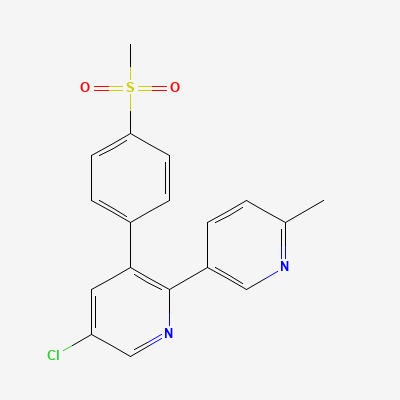
Etoricoxib

NSAID (selective COX-2 inhibitor / coxib) · Analgesic

Also known as Arcoxia, Nucoxia, Etoshine, Etomark, Brutaflam Etoricoxib
START
Start at lowest effective dose (30 mg for OA); check BP and renal function baseline
TYPICAL MAX
90 mg/day chronic; 120 mg/day acute gout (max 8 days)
STOP IF
GI bleed, CV event, BP >160/100, severe edema, eGFR <30, rash
WATCH
BP at each visit, renal function, GI symptoms, cardiovascular risk
CDSCO approvedSchedule HATC M01AH05
Dose laddermg/d
30start60titrate90max120ceiling
Renal dose adjustmenteGFR mL/min/1.73m²
FULLStandard dosing; monitor BP and renal…60CAUTIONNot recommended; if used, monitor cl…30AVOIDContraindicated90

KDIGO 2024 + manufacturer label

Pharmacokineticsplasma · t hours
24minONSET1hPEAK22h1dDURATION
ONSET
24min · Rapid analgesic onset
PEAK
1h · Peak plasma concentration
22h · Elimination half-life
DURATION
1d · Once-daily dosing covers 24h
EXCRETION
Fecal (~70%) and renal (~20%)
route + CYP
INTERACTIONS
12 major
incl. contraindicated
PREGNANCY
Contraindicated in pregnancy; risk of fetal cardiovascular malformations and premature ductus arteriosus closure
FDA category + note
Top interactionssee all 12
  • SulfasalazineContraindicatedTextbookG&G 14e · p1112
  • AminoglycosideSevereTextbookKDT 7e · p746
  • AminoglycosidesSevereTextbookKDT 7e
  • AnticoagulantsSevereTextbookKDT 7e
Available in India

1,145 branded formulations and 817 fixed-dose combinations. Look up specific brands in the Drugs workspace.

Mechanism

Selective inhibition of cyclo-oxygenase-2 (COX-2), sparing COX-1-mediated gastric mucosal protection at therapeutic doses

Indications

OsteoarthritisRheumatoid arthritisAnkylosing spondylitisAcute goutChronic low back pain

Dosing

Adult
OA: 30 mg OD; RA/AS: 90 mg OD; Acute gout: 120 mg OD (max 8 days); CLBP: 60 mg OD
Pediatric
Not recommended under 16 years
Renal adjustment
Contraindicated if eGFR <30; not recommended 30-60 without close monitoring
Hepatic adjustment
Contraindicated in severe hepatic impairment; max 30 mg in mild-moderate
Geriatric
No dose adjustment needed based on age alone; monitor renal function and BP
Max dose
120 mg/day (acute gout, limited to 8 days); 90 mg/day (chronic indications)

Pharmacokinetics

Onset
24 minutes (analgesic onset)
Peak effect
1 hour (Tmax)
Duration
24 hours
Half-life
22 hours
Bioavailability
100%
Protein binding
92%
Metabolism
Hepatic CYP3A4 (major) and CYP2C9 (minor); 6'-methyl hydroxylation is primary pathway
Excretion
Fecal (~70% as metabolites); renal (~20%)

Contraindications

  • Active peptic ulcer or GI bleeding
  • History of GI perforation/ulcer/bleeding with NSAIDs
  • Severe congestive heart failure (NYHA III-IV)
  • Uncontrolled hypertension (BP >140/90 mmHg)
  • Ischemic heart disease, cerebrovascular disease, peripheral arterial disease
  • Severe hepatic impairment
  • Pregnancy and lactation
  • Hypersensitivity to etoricoxib or sulfonamides

Side effects

Common
HeadacheDizzinessPeripheral edemaHypertensionDyspepsiaNauseaDiarrheaFatigueInfluenza-like illness
Serious
  • Cardiovascular thrombotic events (MI, stroke)
  • GI bleeding/ulceration/perforation
  • Severe hepatic reactions
  • Stevens-Johnson syndrome / TEN
  • Anaphylaxis
  • Acute renal failure
  • Congestive heart failure

Pregnancy & lactation

Pregnancy

Contraindicated in pregnancy; risk of fetal cardiovascular malformations and premature ductus arteriosus closure

Lactation

Excretion in breast milk unknown; contraindicated during breastfeeding

Drug interactions

Sulfasalazine
Contraindicated
Textbook

Exacerbation of inflammatory bowel disease (IBD).

Avoid combining sulfasalazine with traditional NSAIDs.

Source: G&G 14e · p1112

Aminoglycoside
Severe
Textbook

Increased risk of nephrotoxicity.

Avoid concurrent use.

Source: KDT 7e · p746

Aminoglycosides
Severe
Textbook

Increased aminoglycoside levels and potential toxicity.

Monitor aminoglycoside levels and renal function; adjust dosage as needed.

Source: KDT 7e

Anticoagulants
Severe
Textbook

Increased risk of gastrointestinal bleed.

Monitor for bleeding; consider alternative analgesics or gastroprotective agents.

Source: KDT 7e

Ciprofloxacin
Severe
Textbook

Enhanced CNS toxicity, seizures reported.

Source: KDT 7e

Citalopram
Severe
Textbook

Increased risk of gastrointestinal bleed.

Monitor for bleeding; consider gastroprotective agents or alternative analgesics.

Source: KDT 7e

Clopidogrel
Severe
Textbook

Increased bleeding risk.

Exercise extra caution and monitor for signs of bleeding.

Source: G&G 14e

Corticosteroids
Severe
Textbook

Increased risk of gastrointestinal bleed.

Monitor for bleeding; consider gastroprotective agents.

Source: KDT 7e

Dapoxetine
Severe
Textbook

Increased risk of gastrointestinal bleed.

Monitor for bleeding; consider gastroprotective agents or alternative analgesics.

Source: KDT 7e

Enalaprilat
Severe
Textbook

Reduced effectiveness of ACE inhibitors. Marked hyperkalemia, potentially leading to cardiac arrhythmia.

Use with caution, especially in the elderly and in patients with hypertension, diabetes mellitus, or ischemic heart disease.

Source: G&G 14e · p836

Escitalopram + Clonazepam
Severe
Textbook

Increased risk of gastrointestinal bleed.

Monitor for bleeding; consider gastroprotective agents or alternative analgesics.

Source: KDT 7e

Escitalopram
Severe
Textbook

Increased risk of gastrointestinal bleed.

Monitor for bleeding; consider gastroprotective agents or alternative analgesics.

Source: KDT 7e

Related guidelines

Ask House about Etoricoxib

Continue into a citation-backed clinical answer with the drug context already attached.

Sources: KD Tripathi 7e, Goodman & Gilman 14e, Katzung, BNF·Verified: 2026-05-19 · House clinical team·Cockpit curated: 2026-05-19