Drug lookup
Drug reference

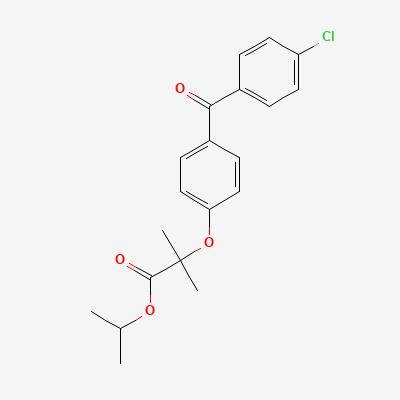
Fenofibrate

Fibrate (fibric acid derivative / PPAR-alpha agonist) · Antilipidemic

Also known as Fenofibric acid, Tricor, Lipanthyl, Lipicard
START
Baseline lipid panel, LFTs, creatinine, CK. Verify TG level indication. Counsel on taking with food. Avoid in severe renal or hepatic impairment.
TYPICAL MAX
200mg/day (micronized). Renal impairment limits max dose. Monitor LFTs and CK.
STOP IF
LFTs >3x ULN, CK >5-10x ULN with muscle symptoms, severe abdominal pain (gallstones/pancreatitis), AKI (rising creatinine >50% from baseline), severe rash.
WATCH
Lipid panel at 4-8 weeks, then every 3-6 months. LFTs and creatinine at 8-12 weeks, then every 6 months. FIELD and ACCORD trials showed no cardiovascular mortality benefit despite TG reduction. Gemfibrozil has more drug interactions with statins than fenofibrate. Fenofibrate is preferred fibrate for statin combination (lower myopathy risk than gemfibrozil).
CDSCO approvedSchedule HJan AushadhiNPPA price-controlledATC C10AB05
Dose laddermg/d
48start67titrate145titrate160titrate200ceiling
Renal dose adjustmenteGFR mL/min/1.73m²
FULLStandard dosing60REDUCEStart 48mg/day; max 145mg/day30AVOIDContraindicated90

KDIGO 2024 + manufacturer label

Pharmacokineticsplasma · t hours
1hONSET7hPEAK20h1dDURATION
ONSET
1h · Onset ~1 hour
PEAK
7h · Tmax 6-8 hours (micronized)
20h · t½ ~20 hours
DURATION
1d · 24 hours (QD)
EXCRETION
Renal as fenofibric acid (~60%)
route + CYP
INTERACTIONS
12 major
SEVERE in our sources
PREGNANCY
Contraindicated in pregnancy—no benefit and potential fetal harm. Lipid-modifying drugs not recommended during pregnancy.
FDA category + note
Top interactionssee all 12
  • AnisindioneSevereDatabaseDDInter
  • AtorvastatinSevereDatabaseDDInter
  • CerivastatinSevereDatabaseDDInter
  • CitalopramSevereDatabaseDDInter
Available in India

63 branded formulations and 5 fixed-dose combinations. Look up specific brands in the Drugs workspace.

Jan Aushadhi — generic available at GoI pharmacies

Mechanism

Activates peroxisome proliferator-activated receptor alpha (PPAR-α), a nuclear transcription factor that regulates genes involved in lipid metabolism. Increases lipoprotein lipase activity, enhances fatty acid oxidation, reduces hepatic VLDL production, and increases HDL synthesis. Primarily lowers triglycerides and raises HDL-C.

Indications

Hypertriglyceridemia (Fredrickson types IV and V)Mixed dyslipidemia (Fredrickson types IIa, IIb, III)Primary hypercholesterolemia (adjunctive or monotherapy when statins contraindicated)Prevention of pancreatitis in severe hypertriglyceridemia (TG >500 mg/dL)

Dosing

Adult
Hypertriglyceridemia: 48-145mg daily (starting at 48-145mg based on formulation and TG level). Mixed dyslipidemia: 145mg daily (micronized) or 160mg daily (non-micronized). Take with food.
Pediatric
>9 years (Lofibra): 67-200mg daily. Adolescents: 48-145mg daily based on product.
Renal adjustment
CrCl 30-59: start 48mg daily (do not titrate above 145mg). CrCl <30: contraindicated.
Hepatic adjustment
Avoid in severe hepatic impairment; monitor LFTs.
Geriatric
Start at low end; monitor renal function and muscle symptoms.
Max dose
200mg/day (micronized); 160mg/day (non-micronized tablet); 145mg/day (some formulations)

Pharmacokinetics

Onset
Lipid effects within 2-4 weeks; maximal effect 4-8 weeks
Peak effect
Tmax 6-8 hours (micronized); 4-6 hours (non-micronized) with food; steady-state in 5 days
Duration
24 hours (QD dosing)
Half-life
~20 hours (active metabolite fenofibric acid); parent compound ~20h
Bioavailability
~60% (varies by formulation; micronized has better absorption)
Protein binding
~99% (fenofibric acid; albumin)
Metabolism
Rapidly hydrolyzed by esterases in gut and plasma to active fenofibric acid; then glucuronidated
Excretion
~60% renal (fenofibric acid and glucuronides); ~25% fecal

Contraindications

  • Severe hepatic impairment (including primary biliary cirrhosis, unexplained persistent LFT elevation)
  • Severe renal impairment (CrCl <30 or eGFR <30)
  • Pre-existing gallbladder disease
  • Chronic or acute pancreatitis (unrelated to severe hypertriglyceridemia)
  • Hypersensitivity to fenofibrate
  • Breastfeeding

Side effects

Common
Elevated LFTsMyalgia (muscle pain)Increased creatinine (reversible)Abdominal painHeadacheNauseaBack painDiarrhea
Serious
  • Rhabdomyolysis (especially with statin co-therapy)
  • Hepatotoxicity (cholestatic hepatitis, cirrhosis rare)
  • Acute kidney injury (reversible with discontinuation)
  • Gallstones (increased cholesterol excretion in bile)
  • Pancreatitis (paradoxical—can occur with fibrate use)
  • Thromboembolic events (increased in FIELD and ACCORD trials)
  • Severe allergic reactions

Pregnancy & lactation

Pregnancy

Contraindicated in pregnancy—no benefit and potential fetal harm. Lipid-modifying drugs not recommended during pregnancy.

Lactation

Contraindicated. Fenofibric acid is excreted in the milk of lactating rats. Due to the potential for serious adverse reactions in nursing infants, a decision should be made whether to discontinue nursing or to discontinue the drug, taking into account the importance of the drug to the mother.

Drug interactions

Anisindione
Severe
Database

Drug interaction classified as: distribution

Source: DDInter

Atorvastatin
Severe
Database

Lower risk of statin myopathy compared to other fibrate-statin combinations.

Fenofibrate is the most suitable fibrate for combining with statins due to its minimal impact on statin metabolism and lower myopathy risk. However, continued vigilance for muscle symptoms is prudent.

Source: DDInter

Cerivastatin
Severe
Database

Drug interaction classified as: others

Source: DDInter

Citalopram
Severe
Database

Drug interaction classified as: metabolism.

Source: DDInter

Dicoumarol
Severe
Database

Clinical effect not specified

Source: DDInter

Fluvastatin
Severe
Database

Lower risk of statin myopathy compared to other fibrate-statin combinations.

Fenofibrate is the most suitable fibrate for combining with statins due to its minimal impact on statin metabolism and lower myopathy risk. However, continued vigilance for muscle symptoms is prudent.

Source: DDInter

Leflunomide
Severe
Database

Drug interaction classified as: synergy

Source: DDInter

Lomitapide
Severe
Database

Lower risk of statin myopathy compared to other fibrate-statin combinations.

Fenofibrate is the most suitable fibrate for combining with statins due to its minimal impact on statin metabolism and lower myopathy risk. However, continued vigilance for muscle symptoms is prudent.

Source: DDInter

Lovastatin
Severe
Database

Lower risk of statin myopathy compared to other fibrate-statin combinations.

Fenofibrate is the most suitable fibrate for combining with statins due to its minimal impact on statin metabolism and lower myopathy risk. However, continued vigilance for muscle symptoms is prudent.

Source: DDInter

Mipomersen
Severe
Database

Drug interaction classified as: synergy

Source: DDInter

Pexidartinib
Severe
Database

Drug interaction classified as: synergy

Source: DDInter

Pitavastatin
Severe
Database

Lower risk of statin myopathy compared to other fibrate-statin combinations.

Fenofibrate is the most suitable fibrate for combining with statins due to its minimal impact on statin metabolism and lower myopathy risk. However, continued vigilance for muscle symptoms is prudent.

Source: DDInter

Related guidelines

Ask House about Fenofibrate

Continue into a citation-backed clinical answer with the drug context already attached.

Sources: KD Tripathi 7e, Goodman & Gilman 14e, Katzung, BNF·Verified: 2026-05-19 · House clinical team·Cockpit curated: 2026-05-19