Drug lookup
Drug reference

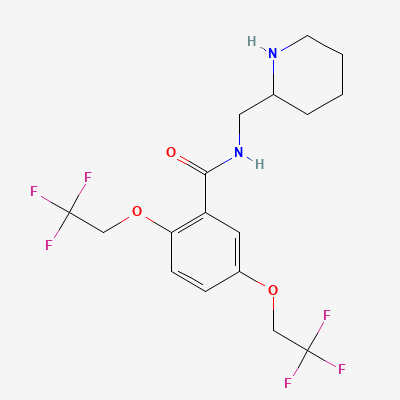
Flecainide

Class IC antiarrhythmic (sodium-channel blocker) · Anti-arrhythmic

Also known as Flecainide acetate
START
50 mg PO q12h (only if no structural heart disease)
TYPICAL MAX
300 mg/day (level/ECG-guided)
STOP IF
QRS widens >25%, proarrhythmia, or heart failure
WATCH
ECG (QRS), structural disease screen, levels, electrolytes
CDSCO approvedSchedule HATC C01BC04
Dose laddermg/d
100start/day200usual300max/day
Renal dose adjustmenteGFR mL/min/1.73m²
CAUTIONUsual dosing; monitor ECG35REDUCEReduce dose; level/ECG-guided90

KDIGO 2024 + manufacturer label

Pharmacokineticsplasma · t hours
1.5hONSET3hPEAK16h12hDURATION
ONSET
1.5h · absorption
PEAK
3h · Tmax
16h ·
DURATION
12h · q12h
EXCRETION
Renal ~30% unchanged; rest metabolites
route + CYP
INTERACTIONS
12 major
SEVERE in our sources
PREGNANCY
Use if benefit outweighs risk (used for fetal SVT under specialist care).
FDA category + note
Top interactionssee all 12
  • AmiodaroneSevereDatabaseKimi deep-research + Cla
  • AmisulprideSevereDatabaseDDInter
  • AnagrelideSevereDatabaseDDInter
  • ArbutamineSevereDatabaseDDInter
Available in India

2 branded formulations. Look up specific brands in the Drugs workspace.

Mechanism

Potent use-dependent blockade of cardiac fast sodium channels markedly slows phase-0 depolarisation and conduction (His-Purkinje/atrial/accessory pathway), suppressing ectopy and reentrant arrhythmias.

Indications

Paroxysmal atrial fibrillation/flutter (no structural heart disease)Paroxysmal SVT / AVNRT / AVRTLife-threatening ventricular arrhythmias (selected)'Pill-in-the-pocket' cardioversion of AF

Dosing

Adult
PSVT/AF: 50 mg PO q12h, titrate every 4 days; usual 100–150 mg q12h. Pill-in-pocket: 200–300 mg single oral dose. VA: 100 mg q12h up.
Pediatric
Specialist: ~3–6 mg/kg/day divided (level-guided).
Renal adjustment
CrCl ≤35: reduce initial dose (≤100 mg/day); monitor levels/ECG.
Hepatic adjustment
Significant hepatic impairment: use only with plasma-level monitoring.
Geriatric
Reduce dose; slower elimination.
Max dose
300 mg/day (400 mg/day rarely, monitored); 300 mg single pill-in-pocket

Pharmacokinetics

Onset
1–2 h (oral)
Peak effect
~3 h (Tmax)
Duration
~12 h
Half-life
~12–27 h (longer in CHF/renal/hepatic impairment)
Bioavailability
~90%
Protein binding
~40%
Metabolism
Hepatic CYP2D6 (genetic polymorphism)
Excretion
Renal ~30% unchanged; rest metabolites

Contraindications

  • Structural/ischaemic heart disease, prior MI (CAST — increased mortality)
  • Heart failure / significant LV dysfunction
  • Second/third-degree AV block or bundle-branch block without pacemaker
  • Cardiogenic shock
  • Brugada syndrome

Side effects

Common
DizzinessVisual disturbance (blurred vision)DyspnoeaHeadacheNausea
Serious
  • Proarrhythmia (incessant VT, 1:1 atrial flutter conduction)
  • Negative inotropy / heart failure
  • Conduction block
  • Sudden death (structural heart disease)

Pregnancy & lactation

Pregnancy

Use if benefit outweighs risk (used for fetal SVT under specialist care).

Lactation

Excreted in milk; usually considered compatible (monitor infant).

Drug interactions

Amiodarone
Severe
Database

Reduced flecainide clearance

Reduce flecainide dose ~50%; monitor levels/ECG

Source: Kimi deep-research + Cla

Amisulpride
Severe
Database

Drug interaction classified as: synergy

Source: DDInter

Anagrelide
Severe
Database

Drug interaction classified as: synergy

Source: DDInter

Arbutamine
Severe
Database

Drug interaction classified as: synergy

Source: DDInter

Arsenic Trioxide
Severe
Database

Drug interaction classified as: synergy

Source: DDInter

Bedaquiline
Severe
Database

Drug interaction classified as: synergy

Source: DDInter

Bepridil
Severe
Database

Drug interaction classified as: synergy

Source: DDInter

Cabozantinib
Severe
Database

Drug interaction classified as: synergy

Source: DDInter

Ceritinib
Severe
Database

Drug interaction classified as: synergy

Source: DDInter

Chloroquine
Severe
Database

Drug interaction classified as: synergy

Source: DDInter

Cisapride
Severe
Database

Drug interaction classified as: synergy

Source: DDInter

Citalopram
Severe
Database

Drug interaction classified as: synergy.

Source: DDInter

Related guidelines

Ask House about Flecainide

Continue into a citation-backed clinical answer with the drug context already attached.

Sources: KD Tripathi 7e, Goodman & Gilman 14e·Verified: 2026-05-20 · House clinical team·Cockpit curated: 2026-05-20