Drug lookup
Drug reference

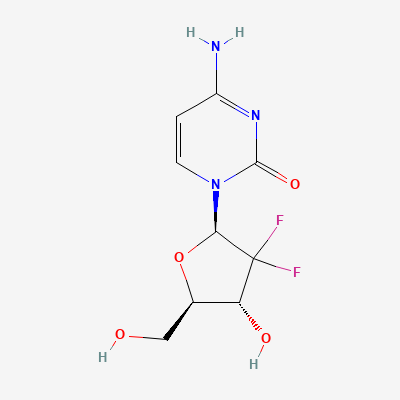
Gemcitabine

Pyrimidine nucleoside analog antimetabolite · Antineoplastic
START
Confirm ANC ≥1500, platelets ≥100,000. Baseline CBC, LFTs, creatinine. Verify adequate hydration. Assess performance status.
TYPICAL MAX
1250mg/m² per dose. Dose-limiting toxicity is myelosuppression (especially thrombocytopenia).
STOP IF
ANC <500, platelets <25,000, grade ≥3 non-hematologic toxicity, HUS/TTP signs (anemia, thrombocytopenia, renal dysfunction, schistocytes).
WATCH
CBC before each dose (days 1 and 8 of each cycle). Renal function (HUS risk—rare but life-threatening). Pulmonary symptoms (interstitial pneumonitis). Infusion must be over 30 minutes (longer infusions increase toxicity without improving efficacy).
CDSCO approvedSchedule HATC L01BC05
Dose laddermg/d
800start1ktitrate1.25kceiling
Renal dose adjustmenteGFR mL/min/1.73m²
FULLStandard dosing30REDUCELimited data; reduce dose 25% and mo…90

KDIGO 2024 + manufacturer label

Pharmacokineticsplasma · t hours
18minONSET30minPEAK30min1dDURATION
ONSET
18min · Onset ~18 min
PEAK
30min · Cmax at end of infusion
30min · Plasma t½ 8-17 min
DURATION
1d · Intracellular effect 12-24h
EXCRETION
Renal as metabolite dFdU (~95%)
route + CYP
INTERACTIONS
12 major
incl. contraindicated
PREGNANCY
Contraindicated in pregnancy—embryotoxic and fetotoxic. Effective contraception required during and for 6 months after treatment (both sexes).
FDA category + note
Top interactionssee all 12
  • RadiotherapyContraindicatedTextbookG&G 14e · p1360
  • AdalimumabSevereDatabaseDDInter
  • BaricitinibSevereDatabaseDDInter
  • CertolizumabSevereDatabaseDDInter
Available in India

100 branded formulations. Look up specific brands in the Drugs workspace.

Mechanism

Deoxycytidine analog that is phosphorylated intracellularly to gemcitabine diphosphate (inhibits ribonucleotide reductase) and gemcitabine triphosphate (competes with dCTP for incorporation into DNA, causing chain termination and masked chain termination). Self-potentiating mechanism of action.

Indications

Non-small cell lung cancer (NSCLC)Pancreatic cancer (first-line, with nab-paclitaxel or as monotherapy)Breast cancer (with paclitaxel)Ovarian cancer (with carboplatin)Bladder cancer (with cisplatin)Biliary tract cancer (with cisplatin)Soft tissue sarcoma (off-label)

Dosing

Adult
Pancreatic: 1000mg/m² IV weekly x 7 weeks, then 1 week rest, then weekly x 3 of 4 weeks; OR 1250mg/m² days 1,8 q21 days with nab-paclitaxel. NSCLC: 1000-1250mg/m² days 1,8 q21 days (with cisplatin). Breast: 1250mg/m² days 1,8 q21 days (with paclitaxel). Ovarian: 1000mg/m² days 1,8 q21 days (with carboplatin).
Pediatric
Not routinely used in children.
Renal adjustment
CrCl ≥30: no adjustment. CrCl <30: limited data—use caution and reduce dose.
Hepatic adjustment
Bilirubin >1.6x ULN: limited data; use caution.
Geriatric
No specific adjustment; monitor closely for myelosuppression and renal toxicity.
Max dose
1250mg/m² per dose (most indications); 2200mg/m² weekly (investigational)

Pharmacokinetics

Onset
Cell-cycle specific (S-phase); cytotoxic effect requires DNA synthesis
Peak effect
Cmax at end of 30-minute infusion; intracellular triphosphate peaks at ~1 hour post-infusion
Duration
Short plasma half-life; intracellular triphosphate persists 12-24 hours
Half-life
~8-17 minutes (plasma α-phase); ~30-90 minutes (β-phase); intracellular triphosphate t½ ~12-24h
Bioavailability
N/A (IV only)
Protein binding
<10%
Metabolism
Extensive intracellular phosphorylation; deamination by cytidine deaminase to inactive metabolite dFdU
Excretion
~92-98% renal (primarily as dFdU); <10% unchanged in urine

Contraindications

  • Hypersensitivity to gemcitabine
  • Severe myelosuppression
  • Pregnancy
  • Breastfeeding

Side effects

Common
Myelosuppression (neutropenia—dose-limiting, thrombocytopenia, anemia)Nausea and vomiting (mild-moderate)Fatigue / astheniaAlopeciaFeverRashElevated transaminases
Serious
  • Febrile neutropenia
  • Hemolytic uremic syndrome (HUS—rare but serious)
  • Thrombotic microangiopathy / TTP-like syndrome
  • Severe hepatotoxicity
  • Pulmonary toxicity (interstitial pneumonitis)
  • Capillary leak syndrome
  • Posterior reversible encephalopathy syndrome (PRES—rare)

Pregnancy & lactation

Pregnancy

Contraindicated in pregnancy—embryotoxic and fetotoxic. Effective contraception required during and for 6 months after treatment (both sexes).

Lactation

Excretion in breast milk unknown; discontinue breastfeeding during treatment.

Drug interactions

Radiotherapy
Contraindicated
Textbook

Significant potentiation of radiotherapy effects, leading to severe toxicity.

Should not be used with radiotherapy.

Source: G&G 14e · p1360

Adalimumab
Severe
Database

Drug interaction classified as: synergy

Source: DDInter

Baricitinib
Severe
Database

Drug interaction classified as: synergy

Source: DDInter

Certolizumab
Severe
Database

Drug interaction classified as: synergy

Source: DDInter

Cladribine
Severe
Database

Drug interaction classified as: synergy

Source: DDInter

Clozapine
Severe
Database

Drug interaction classified as: synergy

Source: DDInter

Deferiprone
Severe
Database

Clinical effect not specified

Source: DDInter

Etanercept
Severe
Database

Drug interaction classified as: synergy

Source: DDInter

Fingolimod
Severe
Database

Drug interaction classified as: synergy

Source: DDInter

Golimumab
Severe
Database

Clinical effect not specified

Source: DDInter

Infliximab
Severe
Database

Clinical effect not specified

Source: DDInter

Leflunomide
Severe
Database

Clinical effect not specified

Source: DDInter

Related guidelines

Ask House about Gemcitabine

Continue into a citation-backed clinical answer with the drug context already attached.

Sources: Goodman & Gilman 14e, BNF·Verified: 2026-05-19 · House clinical team·Cockpit curated: 2026-05-19