Drug lookup
Drug reference

Glucagon

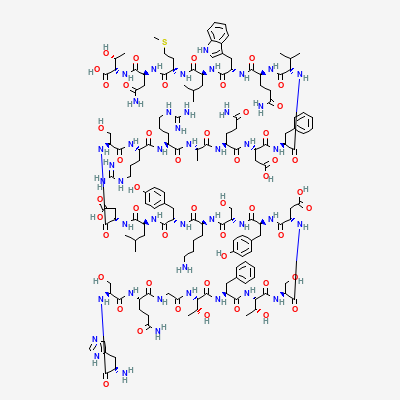
Pancreatic alpha-cell peptide hormone (29 aa) · Antihypoglycemic

Also known as glucagon (as hydrochloride)
START
Severe hypoglycaemia: 1 mg IM/SC (or 3 mg nasal)
TYPICAL MAX
10 mg IV bolus (BB/CCB overdose); 1 mg/dose hypoglycaemia
STOP IF
Adverse cardiovascular event or phaeochromocytoma crisis
WATCH
Glucose, BP, ECG; give carbohydrate as soon as patient can swallow
CDSCO approvedATC H04AA01
Dose laddermg/d
1hypogly dose5BB overdose10max bolus
Renal dose adjustmenteGFR mL/min/1.73m²
FULLNo dose adjustment at any eGFR90

KDIGO 2024 + manufacturer label

Pharmacokineticsplasma · t hours
3minONSET24minPEAK12min45minDURATION
ONSET
3min · IV onset
PEAK
24min · peak effect
12min · t½ ~12 min
DURATION
45min · per dose
EXCRETION
Hepatic/renal peptidases; no intact excretion
route + CYP
INTERACTIONS
none in our sources
PREGNANCY
Acceptable in emergency (severe hypoglycaemia) — benefit outweighs risk.
FDA category + note

Mechanism

Binds hepatic glucagon receptors → cAMP-mediated glycogenolysis and gluconeogenesis, raising plasma glucose; positive inotropic/chronotropic effects via cAMP at supratherapeutic doses (beta-blocker overdose); smooth-muscle relaxation (gut imaging).

Indications

Severe hypoglycaemia (rescue)Beta-blocker / calcium-channel-blocker overdose with shockGastrointestinal radiologic procedures (smooth-muscle relaxation)Adjunctive endoscopy (motility reduction)

Dosing

Adult
Severe hypoglycaemia: 1 mg IM/SC/IV (nasal 3 mg). Beta-blocker overdose: 5–10 mg IV bolus, then 1–10 mg/h infusion. GI imaging: 0.25–2 mg IV/IM.
Pediatric
<25 kg: 0.5 mg; ≥25 kg: 1 mg IM/SC for severe hypoglycaemia.
Renal adjustment
No adjustment.
Hepatic adjustment
Effect attenuated in severe hepatic disease (low glycogen stores).
Geriatric
Standard emergency dose; lower threshold for cardiac monitoring.
Max dose
10 mg IV bolus (beta-blocker overdose); 1 mg per emergency dose

Pharmacokinetics

Onset
IV ~1 min; IM/SC ~5–15 min
Peak effect
~15–30 min
Duration
~30–60 min
Half-life
~8–18 min
Bioavailability
IV/IM/SC/nasal (rapidly degraded orally)
Protein binding
Minimal
Metabolism
Hepatic/renal peptidase degradation
Excretion
Catabolised (no intact excretion)

Contraindications

  • Phaeochromocytoma (catecholamine release)
  • Insulinoma
  • Hypersensitivity to glucagon (bovine/porcine remnants)
  • Glucagonoma (relative)

Side effects

Common
Nausea/vomitingHeadacheTransient hyperglycaemiaInjection-site reactions
Serious
  • Severe hypertension (phaeochromocytoma)
  • Severe hyperglycaemia (insulinoma rebound)
  • Anaphylaxis (rare)
  • Hypokalaemia (potassium shift)

Pregnancy & lactation

Pregnancy

Acceptable in emergency (severe hypoglycaemia) — benefit outweighs risk.

Lactation

Compatible (peptide; rapidly degraded; not orally bioavailable to infant).

Drug interactions

Beta Blockers
Moderate
Database

Glucagon used to bypass beta-blockade (intended)

High-dose glucagon protocol with monitoring

Source: Kimi deep-research + Cla

Indomethacin
Moderate
Database

Antagonism of glucagon hyperglycaemic effect

Use alternative or higher dose; give carbohydrate

Source: Kimi deep-research + Cla

Insulin
Moderate
Database

Direct antagonism

Standard sequence in hypoglycaemia management

Source: Kimi deep-research + Cla · p58

Warfarin
Moderate
Database

Possible enhanced anticoagulation

Monitor INR if repeated dosing

Source: Kimi deep-research + Cla

Anticholinergics
Mild
Database

Additive GI motility reduction

Standard imaging adjunct use

Source: Kimi deep-research + Cla

7 additional low-confidence interactions hidden — those rows lack a documented mechanism or management plan in our sources.

Related guidelines

Ask House about Glucagon

Continue into a citation-backed clinical answer with the drug context already attached.

Sources: KD Tripathi 7e, Goodman & Gilman 14e, Katzung·Verified: 2026-05-20 · House clinical team·Cockpit curated: 2026-05-20