Drug lookup
Drug reference

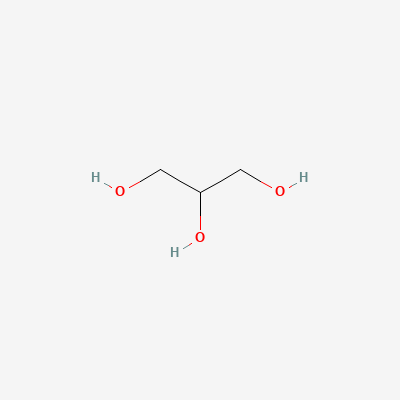
glycerin

Osmotic agent (laxative / ophthalmic / systemic dehydrant) · Diuretic
START
Constipation: 1 suppository PR PRN; IOP/ICP 1–1.5 g/kg PO
TYPICAL MAX
Oral osmotic ~1.5 g/kg per dose
STOP IF
Severe dehydration, hyperosmolar state, or cardiac overload
WATCH
Hydration/electrolytes, glucose (diabetics) with oral dosing
CDSCO approvedATC A06AG04
Dose laddermg/d
2ksuppository70koral osmotic
Renal dose adjustmenteGFR mL/min/1.73m²
CAUTIONRectal use unaffected; caution oral osmotic30REDUCEAvoid large oral osmotic load90

KDIGO 2024 + manufacturer label

Pharmacokineticsplasma · t hours
15minONSET1hPEAK36min4hDURATION
ONSET
15min · onset
PEAK
1h · osmotic peak
36min · t½ (systemic)
DURATION
4h · oral effect
EXCRETION
Largely metabolised; some renal
route + CYP
INTERACTIONS
none in our sources
PREGNANCY
Rectal use considered safe; systemic use only if clearly needed.
FDA category + note

Mechanism

Osmotically active polyol: in the rectum draws water into stool and stimulates evacuation; orally/IV creates an osmotic gradient that transiently reduces intracranial/intraocular pressure.

Indications

Constipation (rectal suppository/enema)Acute reduction of intraocular pressure (oral, pre-op glaucoma)Reduction of cerebral oedema/raised ICP (adjunct, oral)

Dosing

Adult
Constipation: 1 adult suppository (≈2–3 g) PR as needed, or enema. Glaucoma/ICP: 1–1.5 g/kg PO of 50–75% solution (with flavour/ice).
Pediatric
Paediatric suppository (≈1–1.7 g) PR; oral osmotic use specialist.
Renal adjustment
Caution with oral osmotic dosing in renal impairment (fluid/osmolar load).
Hepatic adjustment
Caution in significant hepatic disease (oral load).
Geriatric
Caution with oral dosing (dehydration, cardiac load).
Max dose
Oral osmotic ~1.5 g/kg/dose; rectal as needed

Pharmacokinetics

Onset
Rectal evacuation 15–30 min; oral IOP/ICP effect ~10–30 min
Peak effect
~1–1.5 h (oral osmotic effect)
Duration
Rectal brief; oral osmotic ~4–5 h
Half-life
~30–45 min (systemic, if absorbed)
Bioavailability
Rectal local; oral well absorbed
Protein binding
Negligible
Metabolism
Hepatic (to glucose/glycogen) and renal
Excretion
Largely metabolised; some renal

Contraindications

  • Anuria / severe dehydration
  • Acute pulmonary oedema
  • Severe cardiac decompensation (oral osmotic load)
  • Hypersensitivity

Side effects

Common
Rectal irritation/burning (suppository)HeadacheNausea/vomiting (oral)ThirstDizziness
Serious
  • Severe dehydration/hyperosmolar state (oral, esp. diabetics)
  • Hyperglycaemia / hyperosmolar coma
  • Cardiac overload
  • Haemolysis (rapid IV — obsolete route)

Pregnancy & lactation

Pregnancy

Rectal use considered safe; systemic use only if clearly needed.

Lactation

Compatible (rectal/local use).

Drug interactions

Diuretics
Moderate
Database

Additive dehydration/electrolyte loss

Monitor fluid/electrolytes (oral osmotic use)

Source: Kimi deep-research + Cla

Insulin
Moderate
Database

Glycerol metabolised to glucose

Monitor glucose in diabetics

Source: Kimi deep-research + Cla

10 additional low-confidence interactions hidden — those rows lack a documented mechanism or management plan in our sources.

Related guidelines

Ask House about glycerin

Continue into a citation-backed clinical answer with the drug context already attached.

Sources: Goodman & Gilman 14e·Verified: 2026-05-20 · House clinical team·Cockpit curated: 2026-05-20