Drug lookup
Drug reference

ibandronate

Bisphosphonate (nitrogen-containing) · Antiresorptive agent
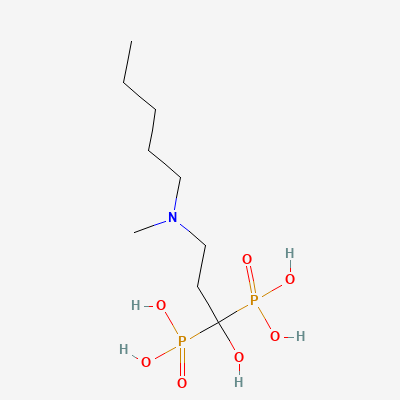
START
Osteoporosis: 150 mg PO monthly on empty stomach with full glass of water, remain upright ≥60 min; or 3 mg IV q3m
TYPICAL MAX
6 mg IV every 3–4 weeks (oncology)
STOP IF
ONJ, atypical femoral pain, severe oesophagitis, or hypocalcaemia
WATCH
Calcium / vitamin D status, renal function, oral health, oesophageal symptoms
CDSCO approvedATC M05BA06
Dose laddermg/d
3IV q3m6IV oncology150PO monthly
Renal dose adjustmenteGFR mL/min/1.73m²
FULLUsual dosing30AVOIDNot recommended90

KDIGO 2024 + manufacturer label

Pharmacokineticsplasma · t hours
1hONSET1.5hPEAK1.5d4.3wDURATION
ONSET
1h · absorption
PEAK
1.5h · Tmax
1.5d · plasma t½
DURATION
4.3w · monthly cover
EXCRETION
Renal — unchanged
route + CYP
INTERACTIONS
12 major
SEVERE in our sources
PREGNANCY
Avoid; limited data (fetal bone effects).
FDA category + note
Top interactionssee all 12
  • CidofovirSevereDatabaseDDInter
  • DeferasiroxSevereDatabaseDDInter
  • DiatrizoateSevereDatabaseDDInter
  • EtelcalcetideSevereDatabaseDDInter

Mechanism

Nitrogen-containing bisphosphonate that binds hydroxyapatite in bone and inhibits osteoclast farnesyl pyrophosphate synthase, reducing osteoclast-mediated bone resorption — increases bone mineral density and reduces vertebral fracture risk.

Indications

Postmenopausal osteoporosis (treatment and prevention)Skeletal events of metastatic breast cancer (with bone metastases)

Dosing

Adult
Osteoporosis: 150 mg PO once monthly OR 3 mg IV every 3 months. Metastatic bone disease: 6 mg IV over 15 min every 3–4 weeks.
Pediatric
Not established.
Renal adjustment
CrCl <30: not recommended.
Hepatic adjustment
No adjustment.
Geriatric
No specific adjustment.
Max dose
6 mg IV every 3–4 weeks (oncology) or 150 mg PO monthly (osteoporosis)

Pharmacokinetics

Onset
Bone-resorption inhibition over days; BMD effect over months
Peak effect
~0.5–2 h (oral Tmax) / end of infusion (IV)
Duration
Bone t½ years (very long retention)
Half-life
Plasma 10–60 h; bone retention >10 years
Bioavailability
~0.6% oral (must fast)
Protein binding
~85–99%
Metabolism
Not metabolised
Excretion
Renal — unchanged

Contraindications

  • Hypocalcaemia
  • Severe renal impairment (CrCl <30)
  • Inability to sit/stand upright for ≥60 min (oral)
  • Achalasia / oesophageal stricture (oral)
  • Hypersensitivity

Side effects

Common
Dyspepsia / oesophagitis (oral)Acute-phase reaction (flu-like, IV)HeadacheMusculoskeletal painHypocalcaemia
Serious
  • Osteonecrosis of the jaw (especially IV/oncology dosing)
  • Atypical femoral fractures
  • Severe oesophagitis / oesophageal ulcer
  • Severe hypocalcaemia
  • Renal toxicity (IV, rapid infusion)

Pregnancy & lactation

Pregnancy

Avoid; limited data (fetal bone effects).

Lactation

Avoid; minimal absorption to infant but caution.

Drug interactions

Cidofovir
Severe
Database

Drug interaction classified as: synergy

Source: DDInter

Deferasirox
Severe
Database

Clinical effect not specified

Source: DDInter

Diatrizoate
Severe
Database

Clinical effect not specified

Source: DDInter

Etelcalcetide
Severe
Database

Drug interaction classified as: synergy

Source: DDInter

Human Cytomegalovirus Immune Globulin
Severe
Database

Clinical effect not specified

Source: DDInter

Inotersen
Severe
Database

Clinical effect not specified

Source: DDInter

Iodipamide
Severe
Database

Clinical effect not specified

Source: DDInter

Iodixanol
Severe
Database

Clinical effect not specified

Source: DDInter

Iohexol
Severe
Database

Clinical effect not specified

Source: DDInter

Iopamidol
Severe
Database

Clinical effect not specified

Source: DDInter

Iopromide
Severe
Database

Clinical effect not specified

Source: DDInter

Iothalamic Acid
Severe
Database

Clinical effect not specified

Source: DDInter

Related guidelines

Ask House about ibandronate

Continue into a citation-backed clinical answer with the drug context already attached.

Sources: Goodman & Gilman 14e·Verified: 2026-05-20 · House clinical team·Cockpit curated: 2026-05-20