Drug lookup
Drug reference

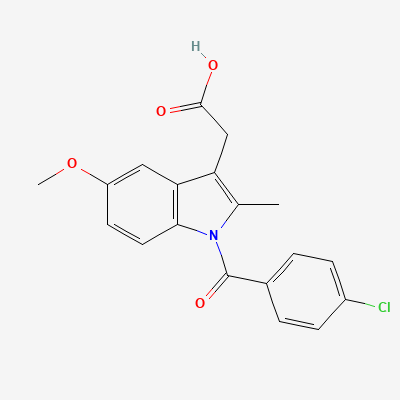
Indomethacin

Non-selective NSAID (indole acetic acid) · Analgesic

Also known as Indometacin, Indocin
START
25–50 mg PO TID with food (acute gout 50 mg TID, taper)
TYPICAL MAX
200 mg/day short term
STOP IF
GI bleeding, AKI, uncontrolled hypertension/HF, severe CNS effects
WATCH
GI symptoms, renal function/BP, fluid status; gastroprotection if at risk
CDSCO approvedSchedule HJan AushadhiATC M01AB01
Dose laddermg/d
25start (per dose)50titrate150typical max/day200absolute max/day
Renal dose adjustmenteGFR mL/min/1.73m²
CAUTIONLowest effective dose, short course60REDUCEAvoid if possible; if used, short co…30AVOIDAvoid (acute kidney injury risk)90

KDIGO 2024 + manufacturer label

Pharmacokineticsplasma · t hours
30minONSET1.5hPEAK4.5h6hDURATION
ONSET
30min · analgesia onset
PEAK
1.5h · Cmax IR
4.5h · plasma t½
DURATION
6h · IR effect
EXCRETION
~60% renal, ~33% biliary; enterohepatic recycling
route + CYP
INTERACTIONS
12 major
incl. contraindicated
PREGNANCY
Avoid 3rd trimester (premature ductus closure, oligohydramnios); cautious short use earlier only if needed
FDA category + note
Top interactionssee all 12
  • AlcoholContraindicatedTextbook-citedKDT 7e · p950
  • MethylprednisoloneContraindicatedTextbook-citedKDT 7e · p950
  • CiprofloxacinSevereTextbook-citedKDT 7e · p949
  • DexamethasoneSevereTextbook-citedKDT 7e · p950
Available in India

56 branded formulations and 2 fixed-dose combinations. Look up specific brands in the Drugs workspace.

Jan Aushadhi — generic available at GoI pharmacies

Mechanism

Potent non-selective inhibition of COX-1/COX-2, reducing prostaglandin synthesis — anti-inflammatory, analgesic, antipyretic; promotes ductus arteriosus closure via prostaglandin suppression.

Indications

Acute gout and acute musculoskeletal/inflammatory painAnkylosing spondylitis, rheumatoid/osteoarthritis flaresPatent ductus arteriosus closure (neonates)Acute pericarditis; tocolysis (off-label)

Dosing

Adult
25–50 mg PO 2–3 times daily with food; acute gout up to 50 mg TID then taper; SR 75 mg once–twice daily.
Pediatric
PDA (neonatal IV): 0.2 mg/kg then 0.1–0.25 mg/kg ×2 at 12–24 h intervals (specialist).
Renal adjustment
Avoid if eGFR <30; use lowest dose/short course if 30–60.
Hepatic adjustment
Avoid in severe hepatic impairment; reduce dose and monitor in mild–moderate.
Geriatric
Higher GI/renal/CNS toxicity; avoid or lowest effective dose, shortest duration (Beers).
Max dose
200 mg/day (acute, short term); 150–200 mg/day usual ceiling

Pharmacokinetics

Onset
~30 min (analgesia)
Peak effect
1–2 h (IR)
Duration
4–6 h IR; ~12 h SR
Half-life
~4.5 h (range 2.6–11.2)
Bioavailability
~90–100%
Protein binding
~90%
Metabolism
Hepatic (O-demethylation, conjugation; enterohepatic recirculation)
Excretion
Renal ~60% and biliary ~33%

Contraindications

  • Active GI bleeding/peptic ulcer
  • CABG perioperative period
  • Severe heart failure
  • Third-trimester pregnancy
  • Severe renal impairment
  • Aspirin/NSAID hypersensitivity (asthma/urticaria)

Side effects

Common
Frontal headache, dizzinessDyspepsia, nausea, GI upsetFluid retention/oedemaRaised BP
Serious
  • GI bleeding/perforation
  • Acute kidney injury, papillary necrosis
  • CV thrombotic events / heart failure
  • Severe skin reactions; CNS confusion (esp. elderly)

Pregnancy & lactation

Pregnancy

Avoid 3rd trimester (premature ductus closure, oligohydramnios); cautious short use earlier only if needed

Lactation

Small amounts in milk; short-term use generally considered acceptable — monitor infant

Drug interactions

Alcohol
Contraindicated
Textbook-cited

Increased risk of gastric bleeding

Concurrent use is contraindicated

Source: KDT 7e · p950

Methylprednisolone
Contraindicated
Textbook-cited

Significantly increased GI bleeding risk.

Concurrent use is contraindicated; if unavoidable, add PPI

Source: KDT 7e · p950

Ciprofloxacin
Severe
Textbook-cited

Enhanced CNS toxicity including seizures.

Avoid concurrent use

Source: KDT 7e · p949

Dexamethasone
Severe
Textbook-cited

Significantly increased GI bleeding risk.

Concurrent use is contraindicated; if unavoidable, add PPI

Source: KDT 7e · p950

Glibenclamide
Severe
Textbook-cited

Hypoglycemia.

Avoid concurrent use; substitute with paracetamol if analgesic needed

Source: KDT 7e · p949

Gliclazide
Severe
Textbook-cited

Hypoglycemia

Avoid concurrent use; substitute with paracetamol if analgesic needed

Source: KDT 7e · p949

Glimepiride
Severe
Textbook-cited

Hypoglycemia

Avoid concurrent use; substitute with paracetamol if analgesic needed

Source: KDT 7e · p949

Glipizide
Severe
Textbook-cited

Hypoglycemia.

Avoid concurrent use; substitute with paracetamol if analgesic needed

Source: KDT 7e · p949

Heparin
Severe
Textbook-cited

Increased bleeding risk.

Avoid concurrent use

Source: KDT 7e · p949

Hydrocortisone
Severe
Textbook-cited

Significantly increased GI bleeding risk.

Concurrent use is contraindicated; if unavoidable, add PPI

Source: KDT 7e · p950

Levofloxacin
Severe
Textbook-cited

Enhanced CNS toxicity, seizure risk.

Avoid concurrent use

Source: KDT 7e · p949

Moxifloxacin
Severe
Textbook-cited

Enhanced CNS toxicity, seizure risk

Avoid concurrent use

Source: KDT 7e · p949

Related guidelines

Ask House about Indomethacin

Continue into a citation-backed clinical answer with the drug context already attached.

Sources: KD Tripathi 7e, Goodman & Gilman 14e, Katzung, BNF·Verified: 2026-05-19 · House clinical team·Cockpit curated: 2026-05-19