Sacubitril Valsartan
Contraindicated
Textbook
Potentially excessive hypotension, increased risk of adverse effects.
Do not use in conjunction with other ARBs.
Source: G&G 14e · p602
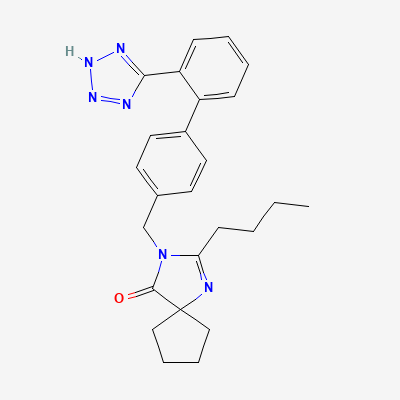
Angiotensin II receptor blocker (ARB) · Antihypertensive
KDIGO 2024 + manufacturer label
21 branded formulations and 6 fixed-dose combinations. Look up specific brands in the Drugs workspace.
Selective AT1-receptor antagonist blocking angiotensin II vasoconstriction and aldosterone release → reduced BP, afterload and intraglomerular pressure (renoprotection in diabetic nephropathy).
Contraindicated 2nd/3rd trimester — fetal renal/skull injury, death; discontinue if pregnancy detected
Avoid — alternatives preferred (limited data)
Potentially excessive hypotension, increased risk of adverse effects.
Do not use in conjunction with other ARBs.
Source: G&G 14e · p602
Dual RAAS blockade → hyperkalaemia/AKI/hypotension
Do not combine in diabetes or eGFR <60
Source: Kimi deep-research + Cla
Greater incidence of acute kidney injury (AKI) and adverse cardiac events.
The combination of these two classes should be avoided.
Source: Harrison 22e · p2396
Increased worsening of renal function, hypotension, syncope, and hyperkalemia without increased efficacy.
Not recommended for the treatment of hypertension. Previous studies indicate more harm than benefit.
Source: G&G 14e
Greater incidence of acute kidney injury (AKI) and adverse cardiac events.
The combination of these two classes should be avoided.
Source: Harrison 22e · p2396
Hyperkalemia.
Monitor K+ levels.
Source: DDInter
Increased worsening of renal function, hypotension, syncope, and hyperkalemia without increased efficacy.
Not recommended for the treatment of hypertension. Previous studies indicate more harm than benefit.
Source: DDInter
Increased worsening of renal function, hypotension, syncope, and hyperkalemia without increased efficacy.
Not recommended for the treatment of hypertension. Previous studies indicate more harm than benefit.
Source: DDInter
Increased worsening of renal function, hypotension, syncope, and hyperkalemia without increased efficacy.
Not recommended for the treatment of hypertension. Previous studies indicate more harm than benefit.
Source: DDInter
Increased worsening of renal function, hypotension, syncope, and hyperkalemia without increased efficacy.
Not recommended for the treatment of hypertension. Previous studies indicate more harm than benefit.
Source: DDInter
Increased worsening of renal function, hypotension, syncope, and hyperkalemia without increased efficacy.
Not recommended for the treatment of hypertension. Previous studies indicate more harm than benefit.
Source: DDInter
Reduced lithium clearance → toxicity
Monitor lithium levels
Source: Kimi deep-research + Cla · p378
Continue into a citation-backed clinical answer with the drug context already attached.
Textbook-sourced·Sources: KD Tripathi 7e, Goodman & Gilman 14e, BNF·Updated: 2026-05-19·Cockpit curated: 2026-05-19