Drug lookup
Drug reference

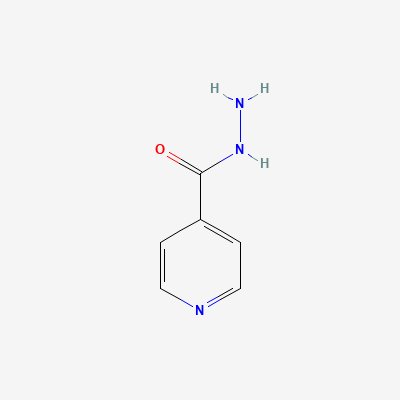
Isoniazid

First-line antitubercular agent (isonicotinic acid hydrazide) · Antitubercular

Also known as INH, Isonicotinylhydrazine, Hydrazide
START
Baseline LFTs, HIV test, hepatitis B/C screening. ALWAYS co-prescribe pyridoxine 25-50mg daily to prevent neuropathy. Assess alcohol use (hepatotoxicity risk).
TYPICAL MAX
300mg daily (standard); 900mg/dose intermittent. Hepatotoxicity risk increases with age >35 and alcohol use.
STOP IF
ALT/AST >3x ULN with symptoms (nausea, jaundice, dark urine) or >5x ULN asymptomatic, severe rash, SJS/TEN, severe neuropathy despite pyridoxine.
WATCH
LFTs monthly (more frequent if hepatic risk factors). Neuropathy symptoms (tingling, numbness)—ensure pyridoxine compliance. SLE-like syndrome (fever, rash, arthritis). Drug interactions: rifampicin increases hepatotoxicity risk; phenytoin levels increase.
CDSCO approvedSchedule H (Prescription drug) as per Indian Drugs and Cosmetics Rules. Administered under direct observation in many public health programs. (Self-correction for renal adjustment in JSON context - I need to be concise for the field.) Let's refine renal adjustment to fit the format while being accurate for India. (Re-correction: The schema asks for string, so a slightly more detailed string is fine.) Renal Adjustment: For severe renal impairment (CrCl < 30 mL/min), consider administering 300 mg thrice weekly instead of daily. Otherwise, no dose adjustment is typically needed for mild to moderate renal impairment. Pyridoxine supplementation is crucial. For patients on hemodialysis, administer dose after dialysis. For hepatic adjustment, the schema asks for string, so the previous thought on contraindication and caution is fine. For geriatric, the previous thought is fine too. Max dose also looks good. Okay, let's proceed. I need to make sure all string values are properly escaped if they contain special characters, but the current content seems fine. No comments inside the JSON. Final check for all required fields. All seem to be there. I need to complete `lactationInfo`, `janAushadhiAvailable`, `nppaPrice` properly. `janAushadhiAvailable` is `true`. `nppaPrice` I will stateATC J04AC01
Dose laddermg/d
50start300titrate600titrate900ceiling
Renal dose adjustmenteGFR mL/min/1.73m²
FULLStandard dosing30REDUCEReduce dose 50% …15REDUCEReduce 50%; moni…90

KDIGO 2024 + manufacturer label

Pharmacokineticsplasma · t hours
30minONSET1.5hPEAK3h1dDURATION
ONSET
30min · Onset ~30 min
PEAK
1.5h · Tmax 1-2 hours
3h · t½ 1-4h (fast acetylators)
DURATION
1d · 24 hours (QD)
EXCRETION
Renal as metabolites (~85%)
route + CYP
INTERACTIONS
12 major
SEVERE in our sources
PREGNANCY
Safe in pregnancy—preferred first-line anti-TB drug. Must be given with pyridoxine to prevent maternal and fetal neuropathy. Does not increase teratogenic risk.
FDA category + note
Top interactionssee all 12
  • AcetaminophenSevereTextbookG&G 14e · p1274
  • PyridoxineSevereTextbookKDT 7e · p915
  • CitalopramSevereDatabaseDDInter
  • HalofantrineSevereDatabaseDDInter
Available in India

6 branded formulations and 92 fixed-dose combinations. Look up specific brands in the Drugs workspace.

Mechanism

Inhibits synthesis of mycolic acids, essential components of the mycobacterial cell wall. Acts by inhibiting the enoyl-acyl carrier protein reductase (InhA) after activation by KatG catalase-peroxidase. Bactericidal against actively replicating Mycobacterium tuberculosis.

Indications

Tuberculosis (active disease—first-line)Latent tuberculosis infection (LTBI prophylaxis)Atypical mycobacterial infections (combination therapy)

Dosing

Adult
Active TB: 5mg/kg (max 300mg) PO/IM daily or 15mg/kg (max 900mg) PO 2-3x/week (DOT). LTBI: 300mg PO daily x 6-9 months or 900mg PO twice weekly x 6-9 months. Take with pyridoxine 25-50mg daily to prevent neuropathy.
Pediatric
Active TB: 10-15mg/kg (max 300mg) daily. LTBI: 10-20mg/kg (max 300mg) daily x 9 months. Always give with pyridoxine 1mg/kg (max 50mg).
Renal adjustment
No adjustment for mild-moderate. Severe: reduce dose 50% or extend interval.
Hepatic adjustment
Use caution in chronic liver disease; monitor LFTs closely. Contraindicated in acute hepatitis.
Geriatric
No specific adjustment; increased hepatotoxicity risk—monitor LFTs monthly.
Max dose
300mg/day (daily regimen); 900mg/dose (intermittent)

Pharmacokinetics

Onset
Rapid; bactericidal effect within days to weeks (clinical improvement 2-4 weeks)
Peak effect
Tmax 1-2 hours (PO); CSF penetration excellent (90-100% of serum)
Duration
24 hours (QD dosing)
Half-life
~1-4 hours (fast acetylators); ~2-5 hours (slow acetylators); dose-independent
Bioavailability
~90%
Protein binding
~10%
Metabolism
Hepatic acetylation (NAT2 polymorphism: fast/slow acetylators) and hydrolysis; metabolites include acetylisoniazid and isonicotinic acid
Excretion
~75-95% renal (mostly metabolites); 16-36% unchanged (dose and acetylator status dependent)

Contraindications

  • Acute hepatic disease
  • History of severe hypersensitivity to isoniazid
  • Prior isoniazid-associated hepatic injury
  • Acute porphyria

Side effects

Common
Peripheral neuropathy (prevented by pyridoxine)Hepatotoxicity (elevated LFTs—age and alcohol-dependent)NauseaRashFatigue
Serious
  • Severe hepatotoxicity (fatal hepatitis—risk increases with age >35, alcohol, hepatitis B/C, rifampicin co-therapy)
  • Severe hypersensitivity (DRESS, SJS/TEN)
  • Agranulocytosis
  • Systemic lupus erythematosus-like syndrome
  • Optic neuritis
  • Seizures (CNS toxicity)
  • Pellagra-like syndrome

Pregnancy & lactation

Pregnancy

Safe in pregnancy—preferred first-line anti-TB drug. Must be given with pyridoxine to prevent maternal and fetal neuropathy. Does not increase teratogenic risk.

Lactation

Compatible with breastfeeding; excreted in milk but infant receives <20% of therapeutic dose. Give infant pyridoxine 5mg daily if breastfeeding.

Drug interactions

Acetaminophen
Severe
Textbook

Hepatotoxicity.

Not explicitly stated, but implies caution and monitoring due to potential for severe harm.

Source: G&G 14e · p1274

Pyridoxine
Severe
Textbook

Induces a pyridoxine deficiency state, leading to neurological disturbances such as peripheral neuritis.

Administer pyridoxine (10–50 mg/day) prophylactically to prevent, and therapeutically to treat, isoniazid-induced neurological disturbances. Massive doses (in grams) may be used for acute isoniazid poisoning.

Source: KDT 7e · p915

Citalopram
Severe
Database

Drug interaction classified as: metabolism

Source: DDInter

Halofantrine
Severe
Database

Clinical effect not specified

Source: DDInter

Halothane
Severe
Database

Clinical effect not specified

Source: DDInter

Alcohol
Severe
Database

Additive hepatotoxicity; alcohol induces isoniazid metabolism to toxic intermediates.

Strict alcohol abstinence during treatment.

Source: Kimi deep-research + Cla

Leflunomide
Severe
Database

.

Source: DDInter

Lemborexant
Severe
Database

Clinical effect not specified

Source: DDInter

Levacetylmethadol
Severe
Database

Clinical effect not specified

Source: DDInter

Lomitapide
Severe
Database

Clinical effect not specified

Source: DDInter

Lonafarnib
Severe
Database

Clinical effect not specified

Source: DDInter

Mipomersen
Severe
Database

Clinical effect not specified

Source: DDInter

Related guidelines

Ask House about Isoniazid

Continue into a citation-backed clinical answer with the drug context already attached.

Sources: KD Tripathi 7e, Goodman & Gilman 14e, Harrison 22e, Katzung·Verified: 2026-05-19 · House clinical team·Cockpit curated: 2026-05-19