Drug lookup
Drug reference

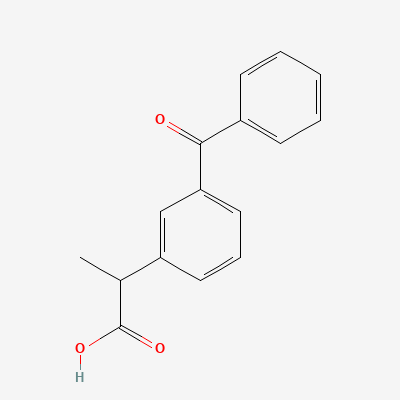
Ketoprofen

Non-selective COX inhibitor (NSAID) · Unknown
START
50 mg PO every 6–8 h with food (or 75 mg every 8 h)
TYPICAL MAX
300 mg/day
STOP IF
GI bleed, AKI, severe skin reaction, or cardiac event
WATCH
GI symptoms, renal function, BP; gastroprotection in high-risk
CDSCO approvedSchedule HATC M01AE03
Dose laddermg/d
50per dose200ER usual300max/day
Renal dose adjustmenteGFR mL/min/1.73m²
CAUTIONUsual dosing60REDUCEReduce dose; avoid prolonged use30AVOIDAvoid90

KDIGO 2024 + manufacturer label

Pharmacokineticsplasma · t hours
30minONSET1.5hPEAK2.5h7hDURATION
ONSET
30min · analgesia
PEAK
1.5h · Tmax
2.5h ·
DURATION
7h · IR dose
EXCRETION
Renal — mainly as glucuronide
route + CYP
INTERACTIONS
12 major
SEVERE in our sources
PREGNANCY
Avoid third trimester (premature ductus closure / oligohydramnios); short-term use earlier per benefit-risk.
FDA category + note
Top interactionssee all 12
  • AminoglycosideSevereTextbookKDT 7e · p746
  • AminoglycosidesSevereTextbookKDT 7e
  • DapoxetineSevereTextbookKDT 7e
  • EnalaprilatSevereTextbookG&G 14e · p836

Mechanism

Reversibly inhibits cyclooxygenase-1 and -2, reducing prostaglandin synthesis — analgesic, antipyretic and anti-inflammatory effects; has some lipoxygenase inhibition (less clinically relevant).

Indications

Acute pain (musculoskeletal, dental, dysmenorrhoea)Osteoarthritis / rheumatoid arthritis / ankylosing spondylitisTopical gel for localised soft-tissue pain

Dosing

Adult
Acute pain: 50 mg PO every 6–8 h or 75 mg every 8 h. OA/RA: 75 mg 3 times daily or 50 mg 4 times daily; ER 200 mg once daily. Max 300 mg/day. Topical: apply 3–4 times daily.
Pediatric
Generally not recommended (limited data).
Renal adjustment
Reduce dose / avoid in moderate–severe impairment.
Hepatic adjustment
Reduce dose in significant hepatic disease.
Geriatric
Lower doses; GI/renal risk.
Max dose
300 mg/day

Pharmacokinetics

Onset
~30 min (analgesia)
Peak effect
~0.5–2 h (Tmax IR)
Duration
~6–8 h (IR); ~24 h (ER)
Half-life
~1.5–3 h (longer in renal impairment)
Bioavailability
~90% (oral)
Protein binding
~99%
Metabolism
Hepatic glucuronidation
Excretion
Renal (mainly as glucuronide)

Contraindications

  • Aspirin / NSAID hypersensitivity (asthma/urticaria/angioedema)
  • Active GI bleeding / ulcer
  • Severe heart failure
  • Severe renal impairment
  • Third-trimester pregnancy
  • Coronary artery bypass perioperative period

Side effects

Common
Dyspepsia / nauseaAbdominal painDiarrhoeaHeadacheDizzinessPruritus
Serious
  • GI ulceration / bleeding / perforation
  • Cardiovascular thrombotic events (class)
  • Acute kidney injury
  • Severe skin reactions (SJS/TEN) — photosensitivity (topical)
  • Hepatotoxicity

Pregnancy & lactation

Pregnancy

Avoid third trimester (premature ductus closure / oligohydramnios); short-term use earlier per benefit-risk.

Lactation

Limited milk transfer; usually acceptable short-term.

Drug interactions

Aminoglycoside
Severe
Textbook

Increased risk of nephrotoxicity.

Avoid concurrent use.

Source: KDT 7e · p746

Aminoglycosides
Severe
Textbook

Increased aminoglycoside levels and potential toxicity.

Monitor aminoglycoside levels and renal function; adjust dosage as needed.

Source: KDT 7e

Dapoxetine
Severe
Textbook

Increased risk of gastrointestinal bleed.

Monitor for bleeding; consider gastroprotective agents or alternative analgesics.

Source: KDT 7e

Enalaprilat
Severe
Textbook

Reduced effectiveness of ACE inhibitors. Marked hyperkalemia, potentially leading to cardiac arrhythmia.

Use with caution, especially in the elderly and in patients with hypertension, diabetes mellitus, or ischemic heart disease.

Source: G&G 14e · p836

Escitalopram + Clonazepam
Severe
Textbook

Increased risk of gastrointestinal bleed.

Monitor for bleeding; consider gastroprotective agents or alternative analgesics.

Source: KDT 7e

Glucocorticoids
Severe
Textbook

Increased risk of gastritis, ulcer formation, and gastrointestinal bleeding. Glucocorticoids can also mask the symptoms of serious gastrointestinal disease, increasing the risk of perforated sigmoid diverticular abscesses.

Not explicitly stated, but implies caution and awareness of increased risk.

Source: G&G 14e · p1013

Quinolones
Severe
Textbook

Enhanced neurological adverse effects.

Use with caution, especially in patients with a history of epilepsy.

Source: G&G 14e · p1144

Acalabrutinib
Severe
Database

Drug interaction classified as: synergy

Source: DDInter

Aminolevulinic Acid
Severe
Database

Drug interaction classified as: synergy

Source: DDInter

Anisindione
Severe
Database

Drug interaction classified as: synergy

Source: DDInter

Anticoagulants
Severe
Database

Additive bleeding + platelet/GI effects

Avoid or use PPI; monitor closely

Source: Kimi deep-research + Cla

Apixaban
Severe
Database

Drug interaction classified as: synergy

Source: DDInter

Related guidelines

Ask House about Ketoprofen

Continue into a citation-backed clinical answer with the drug context already attached.

Sources: KD Tripathi 7e, Goodman & Gilman 14e, BNF·Verified: 2026-05-20 · House clinical team·Cockpit curated: 2026-05-20