Drug lookup
Drug reference

Lactulose

Osmotic laxative / disaccharide / ammonia-lowering agent · Laxative; Ammonia detoxicant

Also known as Duphalac, Laevolac, Kristalose, Constilac
START
Constipation: 15 mL OD, titrate to 2-3 soft stools. HE: 30-45 mL TDS, titrate to 2-3 soft acidic stools (pH <6)
TYPICAL MAX
No fixed maximum; titrate to clinical endpoint; if >60 mL/day needed, consider adding rifaximin
STOP IF
Severe diarrhea, signs of dehydration, suspected bowel obstruction
WATCH
Stool frequency/consistency, mental status (HE), electrolytes (Na+, K+) with high doses
CDSCO approvedNon-scheduled or OTCJan AushadhiATC A06AD11
Dose laddermg/d
10start20titrate30titrate60ceiling
Renal dose adjustmenteGFR mL/min/1.73m²
FULLNo adjustment needed - not systemically absorbed090

KDIGO 2024 + manufacturer label

Pharmacokineticsplasma · t hours
1dONSET2dPEAK0s1dDURATION
ONSET
1d · 24-48 hours for constipation; hours for HE
PEAK
2d · Peak osmotic effect
0s · N/A - local colonic action
DURATION
1d · Daily dosing
EXCRETION
Fecal (unchanged and fermented)
route + CYP
INTERACTIONS
none in our sources
PREGNANCY
Safe in pregnancy; not systemically absorbed; widely used
FDA category + note
Available in India

258 branded formulations and 7 fixed-dose combinations. Look up specific brands in the Drugs workspace.

Jan Aushadhi — generic available at GoI pharmacies

Mechanism

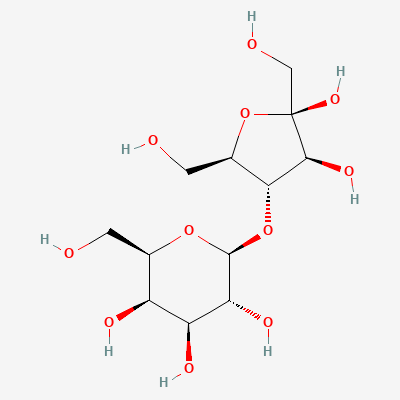
Synthetic disaccharide (galactose + fructose) not absorbed in small intestine. Reaches colon intact where bacterial fermentation produces short-chain fatty acids (acetate, lactate) and lowers pH. Osmotic effect draws water into bowel lumen. In hepatic encephalopathy, acidification of colonic contents converts ammonia (NH3) to non-absorbable ammonium (NH4+), reducing systemic ammonia absorption.

Indications

Constipation (chronic and acute)Hepatic encephalopathy (prevention and treatment)Pre-operative bowel preparation (adjunct)Portal-systemic encephalopathy

Dosing

Adult
Constipation: 15-30 mL/day (10-20 g), titrate to 2-3 soft stools/day. HE: 30-45 mL TDS-QDS (30-60 g/day), titrate to 2-3 soft acidic stools/day
Pediatric
Constipation: <1 year: 2.5-5 mL/day; 1-6 years: 5-10 mL/day; 7-14 years: 10-15 mL/day. HE: limited pediatric data
Renal adjustment
No adjustment needed; not systemically absorbed
Hepatic adjustment
No adjustment needed; primary indication is hepatic encephalopathy
Geriatric
Start low (10 mL/day) and titrate; monitor electrolytes with long-term use
Max dose
No strict maximum; titrate to effect (2-3 soft stools/day)

Pharmacokinetics

Onset
Constipation: 24-48 hours; HE: hours to days
Peak effect
Variable; depends on colonic transit time and bacterial flora
Duration
Variable; dose-dependent
Half-life
N/A (not systemically absorbed)
Bioavailability
<1% (absorbed as metabolites only)
Protein binding
N/A
Metabolism
Colonic bacterial fermentation to SCFAs and gases
Excretion
Fecal (unchanged and fermented products)

Contraindications

  • Galactosemia
  • Intestinal obstruction
  • Hypersensitivity to lactulose
  • Low-galactose diet

Side effects

Common
FlatulenceAbdominal crampsBloatingNauseaDiarrhea (dose-related)Belching
Serious
  • Severe diarrhea leading to dehydration and electrolyte imbalance
  • Hypernatremia (with high doses in HE)
  • Bowel perforation (if obstruction present)

Pregnancy & lactation

Pregnancy

Safe in pregnancy; not systemically absorbed; widely used

Lactation

Minimal systemic absorption; compatible with breastfeeding

Drug interactions

Diuretics (e.g., Furosemide, Hydrochlorothiazide)
Moderate
Database

Increased risk of dehydration and electrolyte imbalances (especially hypokalemia) due to combined fluid loss from lactulose-induced diarrhea and diuretic action.

Monitor fluid and electrolyte status closely, especially potassium. Supplement electrolytes as needed. Adjust diuretic or lactulose dose if excessive fluid loss occurs.

Oral Antibiotics (broad Spectrum)
Moderate
Database

Reduced efficacy of lactulose in hepatic encephalopathy due to decreased conversion to active metabolites.

Monitor patient's clinical status and ammonia levels closely. Adjust lactulose dose as needed. Consider alternative antibiotics if possible.

Other Laxatives (e.g., Magnesium Hydroxide, Senna)
Moderate
Database

Increased risk of severe diarrhea, dehydration, and electrolyte imbalances (especially hypokalemia).

Avoid concomitant use unless absolutely necessary. If used together, monitor for excessive diarrhea and electrolyte disturbances. Adjust doses accordingly.

9 additional low-confidence interactions hidden — those rows lack a documented mechanism or management plan in our sources.

Related guidelines

Ask House about Lactulose

Continue into a citation-backed clinical answer with the drug context already attached.

Sources: Goodman & Gilman 14e, Katzung, BNF, Nelson·Verified: 2026-05-19 · House clinical team·Cockpit curated: 2026-05-19