Sodium Channel Blockers
Severe
Textbook
May increase the risk of arrhythmia.
Avoid or use with extreme caution and monitoring.
Source: G&G 14e · p378
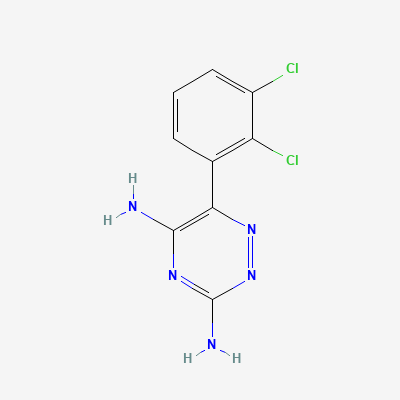
Phenyltriazine antiepileptic / mood stabilizer · Epilepsy
KDIGO 2024 + manufacturer label
148 branded formulations. Look up specific brands in the Drugs workspace.
Blocks voltage-gated sodium channels and inhibits glutamate release; stabilizes presynaptic neuronal membranes and modulates calcium channels
Risk of oral clefts (cleft lip/palate) in first trimester; folate supplementation (4-5mg) strongly recommended. Lamotrigine levels fall during pregnancy—monitor levels and adjust dose.
Excreted in breast milk (~30-50% of maternal plasma level); infant serum levels typically <30% of lower therapeutic range. Generally considered compatible with breastfeeding with monitoring.
May increase the risk of arrhythmia.
Avoid or use with extreme caution and monitoring.
Source: G&G 14e · p378
Drug interaction classified as: synergy.
Source: DDInter
Clinical effect not specified
Source: DDInter
Clinical effect not specified
Source: DDInter
.
Source: DDInter
Valproate inhibits lamotrigine glucuronidation → toxicity/severe rash
Halve lamotrigine dose; very slow titration
Source: Kimi deep-research + Cla
Lamotrigine's elimination half-life is reduced from 24 hr to approximately 16 hr.
Source: KDT 7e · p419
Enzyme-inducing AEDs increase lamotrigine glucuronidation, decreasing levels by ~40-50% and risking seizure breakthrough.
Double lamotrigine starting dose and titrate more rapidly; monitor seizure control.
Source: Kimi deep-research + Cla
Decreased plasma concentrations of lamotrigine, potentially leading to loss of seizure control. This effect is more pronounced with higher doses of estrogen.
Monitor lamotrigine levels and clinical response closely when initiating or discontinuing estradiol. Lamotrigine dose adjustment may be necessary. Consider alternative contraception if lamotrigine levels are difficult to manage.
Source: DDInter
Estrogen induces UGT1A4, increasing lamotrigine clearance by 40-50%; levels drop and seizure risk increases.
Monitor lamotrigine levels during cycle; may need dose increase during active pills and reduction during pill-free week.
Source: Kimi deep-research + Cla
2 additional unreviewed or low-confidence interactions hidden because their provenance or source detail is insufficient.
Continue into a citation-backed clinical answer with the drug context already attached.
Textbook-sourced·Sources: KD Tripathi 7e, Goodman & Gilman 14e, BNF·Updated: 2026-05-19·Cockpit curated: 2026-05-19