Drug lookup
Drug reference

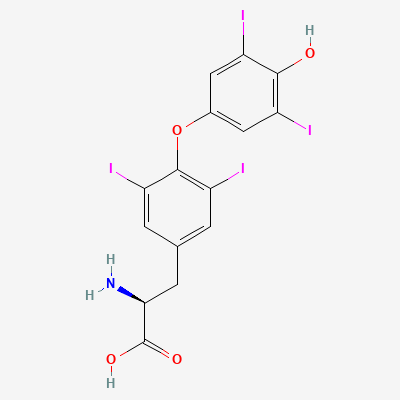
Levothyroxine

Thyroid Hormone · Thyroid

Also known as Levothyroxine sodium, L-Thyroxine, T4
START
1.6 µg/kg/day PO (typical 50-100 µg) on empty stomach 30-60 min before food
TYPICAL MAX
individualized — titrate to TSH (no fixed daily ceiling)
STOP IF
Untreated adrenal insufficiency · uncorrected thyrotoxicosis
WATCH
TSH at 6-8 weeks · symptoms · cardiac (esp. elderly / CAD)
CDSCO approvedSchedule H
Dose ladderµg/d
0.025start0.05titrate0.1titrate0.15max
Renal dose adjustmenteGFR mL/min/1.73m²
FULLNo renal adjustment90

KDIGO 2024 + manufacturer label

Pharmacokineticsplasma · t hours
1wONSET6hPEAK1w1wDURATION
ONSET
1w · clinical effect at 1 week
PEAK
6h · Cmax (T4 serum)
1w · T4 t½ ~7 days
DURATION
1w · once-daily steady-state at 4-6 weeks
EXCRETION
Hepatic deiodination → T3 · biliary metabolites
route + CYP
INTERACTIONS
2 major
SEVERE in our sources
PREGNANCY
Category A — dose typically increases 25-30% in pregnancy
FDA category + note
Top interactionssee all 12
  • Calcium CarbonateSevereDatabaseKimi deep-research + Cla
  • CholestyramineSevereDatabaseKimi deep-research + Cla
Available in India

8 branded formulations. Look up specific brands in the Drugs workspace.

Mechanism

Levothyroxine is a synthetic form of thyroxine (T4), a hormone naturally produced by the thyroid gland. It is converted to its active metabolite, liothyronine (T3), in peripheral tissues. T3 enters the cell nucleus and binds to thyroid hormone receptors, initiating gene transcription and protein synthesis, thereby regulating metabolism, growth, and development.

Indications

Hypothyroidism (all etiologies, except transient hypothyroidism during recovery from subacute thyroiditis)Thyroid-stimulating hormone (TSH) suppression in differentiated thyroid cancer (e.g., papillary, follicular)Congenital hypothyroidismMyxedema coma (IV formulation)Goiter (off-label)hypothyroidismTSH suppression in thyroid cancermyxedema comaCretinismAdult hypothyroidism (Myxoedema)Myxoedema comaNontoxic goiterThyroid nodule (certain benign functioning nodules)Papillary carcinoma of thyroid

Dosing

Adult
Initial: 1.6 mcg/kg/day orally once daily. Adjust in 12.5-25 mcg increments every 4-6 weeks based on TSH levels. Typical maintenance: 100-125 mcg/day. For elderly or patients with cardiovascular disease: start with 12.5-25 mcg/day and titrate slowly.
Pediatric
0-3 months: 10-15 mcg/kg/day; 3-6 months: 8-10 mcg/kg/day; 6-12 months: 6-8 mcg/kg/day; 1-5 years: 5-6 mcg/kg/day; 6-12 years: 4-5 mcg/kg/day; >12 years: 2-3 mcg/kg/day (or 1.6 mcg/kg/day). Doses are oral, once daily, and titrated based on TSH and clinical response.
Renal adjustment
No specific dose adjustment is generally required for renal impairment; monitor thyroid function as usual. Patients with nephrotic syndrome may require higher doses due to increased protein loss and reduced protein binding of thyroid hormones. Consult endocrinologist for severe cases or complications like myxedema coma with renal failure.…
Geriatric
Start with 12.5–50 μg/day.

Pharmacokinetics

Onset
3-5 days
Peak effect
1-3 weeks (for steady-state blood levels)
Half-life
~7 days
Bioavailability
Incomplete (~80% of the tablet dose is absorbed); slightly increased when taken on an empty stomach.
Protein binding
>99% (primarily to thyroxine-binding globulin, transthyretin, and albumin)
Metabolism
Metabolic inactivation occurs by deiodination and glucuronide/sulfate conjugation in the liver (primary site).

Contraindications

  • Untreated subclinical or overt thyrotoxicosis
  • Acute myocardial infarction
  • Untreated adrenal cortical insufficiency
  • Hypersensitivity to levothyroxine or any components of the formulation

Side effects

Common
HeadacheNervousnessInsomniaSweatingWeight lossDiarrheaAbdominal crampsTremorsPalpitationsTachycardiaMenstrual irregularitiesHeat intolerance
Serious
  • Angina pectoris
  • Myocardial infarction
  • Congestive heart failure
  • Arrhythmias
  • Pseudotumor cerebri
  • Seizures
  • Allergic reactions (rare)
  • Osteoporosis (with long-term suppressive doses)
  • atrial fibrillation (with overtreatment, especially in the elderly)
  • osteoporosis (with overtreatment, especially in postmenopausal women)

Pregnancy & lactation

Pregnancy

Category A — dose typically increases 25-30% in pregnancy

Drug interactions

Calcium Carbonate
Severe
Database

Reduced levothyroxine absorption → hypothyroidism

Separate by ≥4 h; monitor TSH

Source: Kimi deep-research + Cla

Cholestyramine
Severe
Database

Resin binds thyroxine in gut

Separate by ≥4 h; monitor TSH

Source: Kimi deep-research + Cla

Aluminum Containing Antacids
Moderate
Textbook

Decreased levothyroxine efficacy, potentially leading to increased TSH levels.

May require increased levothyroxine dosage.

Source: G&G 14e

Bile Acid Sequestrants
Moderate
Textbook

Decreased levothyroxine efficacy, potentially leading to increased TSH levels.

May require increased levothyroxine dosage.

Source: G&G 14e

Bucindolol
Moderate
Textbook

Decreased peripheral T3 levels, potentially requiring increased levothyroxine dosage.

May require increased levothyroxine dosage.

Source: G&G 14e

Celiprolol
Moderate
Textbook

Decreased peripheral T3 levels, potentially requiring increased levothyroxine dosage.

May require increased levothyroxine dosage.

Source: G&G 14e

Chromium Picolinate
Moderate
Textbook

Decreased levothyroxine efficacy, potentially leading to increased TSH levels.

May require increased levothyroxine dosage.

Source: G&G 14e

Domperidone + Omeprazole
Moderate
Textbook

Decreased levothyroxine efficacy, potentially leading to increased TSH levels.

May require increased levothyroxine dosage.

Source: G&G 14e

Esmolol Hydrochloride
Moderate
Textbook

Decreased peripheral T3 levels, potentially requiring increased levothyroxine dosage.

May require increased levothyroxine dosage.

Source: G&G 14e

Estrogen
Moderate
Textbook

Increased levothyroxine dosage requirements.

May require increased levothyroxine dosage.

Source: G&G 14e

Ethionamide
Moderate
Textbook

Increased levothyroxine dosage requirements.

May require increased levothyroxine dosage.

Source: G&G 14e

Glucocorticoids
Moderate
Textbook

Decreased peripheral T3 levels, potentially requiring increased levothyroxine dosage.

May require increased levothyroxine dosage.

Source: G&G 14e

Related guidelines

Other Thyroid Hormone drugs

Ask House about Levothyroxine

Continue into a citation-backed clinical answer with the drug context already attached.

Sources: KD Tripathi 7e, Goodman & Gilman 14e, Katzung, BNF·Verified: 2026-05-17 · House clinical team·Cockpit curated: 2026-05-16