Drug lookup
Drug reference

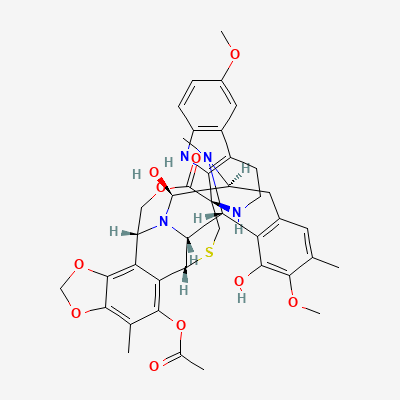
lurbinectedin

Alkylating agent (tetrahydroisoquinoline; antineoplastic) · Antineoplastic
START
3.2 mg/m² IV over 60 min every 21 days
TYPICAL MAX
3.2 mg/m² q21d (reduce to 2.0 mg/m² for toxicity)
STOP IF
Severe febrile neutropenia, hepatotoxicity, or rhabdomyolysis
WATCH
CBC, LFTs, CK; pre-medicate with antiemetics + dexamethasone
CDSCO approvedATC L01CX02
Dose laddermg/d
2mg/m² red2.6intermediate3.2mg/m² std
Renal dose adjustmenteGFR mL/min/1.73m²
FULLNo adjustment30CAUTIONNot studied — caution90

KDIGO 2024 + manufacturer label

Pharmacokineticsplasma · t hours
6minONSET1hPEAK2.1d3wDURATION
ONSET
6min · infusion start
PEAK
1h · end infusion
2.1d ·
DURATION
3w · q21d cycle
EXCRETION
Mainly faecal; minimal renal
route + CYP
INTERACTIONS
12 major
SEVERE in our sources
PREGNANCY
Can cause fetal harm — avoid; effective contraception during and 6 months after.
FDA category + note
Top interactionssee all 12
  • AdalimumabSevereDatabaseDDInter
  • AmprenavirSevereDatabaseDDInter
  • ApalutamideSevereDatabaseDDInter
  • AprepitantSevereDatabaseDDInter

Mechanism

Binds the minor groove of DNA and forms covalent adducts at guanine N2, blocking trans-activated transcription (particularly via Pol II degradation); also depletes tumour-associated macrophages — active in small-cell lung cancer.

Indications

Metastatic small-cell lung cancer (after progression on platinum-based chemotherapy)

Dosing

Adult
3.2 mg/m² IV over 60 min every 21 days; reduce for toxicity (e.g., 2.6 or 2.0 mg/m²).
Pediatric
Not established.
Renal adjustment
No adjustment for CrCl ≥30; not studied <30.
Hepatic adjustment
Avoid in moderate–severe hepatic impairment.
Geriatric
Higher cytopenia risk; monitor closely.
Max dose
3.2 mg/m² every 21 days

Pharmacokinetics

Onset
Cytoreduction over cycles
Peak effect
End of infusion
Duration
21-day cycle
Half-life
~51 h
Bioavailability
IV 100%
Protein binding
~99%
Metabolism
Hepatic CYP3A4 (primary)
Excretion
Mainly faecal; minimal renal

Contraindications

  • Severe hypersensitivity
  • Caution: significant cytopenias, hepatic impairment, infection

Side effects

Common
FatigueNausea/vomitingAnaemiaNeutropeniaThrombocytopeniaDiarrhoeaTransaminase elevation
Serious
  • Severe myelosuppression / febrile neutropenia
  • Hepatotoxicity
  • Rhabdomyolysis
  • Severe infection
  • Tumour lysis (high disease burden)

Pregnancy & lactation

Pregnancy

Can cause fetal harm — avoid; effective contraception during and 6 months after.

Lactation

Avoid breastfeeding during and 2 weeks after therapy.

Drug interactions

Adalimumab
Severe
Database

Drug interaction classified as: synergy

Source: DDInter

Amprenavir
Severe
Database

Drug interaction classified as: metabolism

Source: DDInter

Apalutamide
Severe
Database

Drug interaction classified as: metabolism

Source: DDInter

Aprepitant
Severe
Database

Drug interaction classified as: metabolism

Source: DDInter

Atazanavir
Severe
Database

Drug interaction classified as: metabolism

Source: DDInter

Baricitinib
Severe
Database

Drug interaction classified as: synergy

Source: DDInter

Boceprevir
Severe
Database

Drug interaction classified as: metabolism

Source: DDInter

Bosentan
Severe
Database

Drug interaction classified as: metabolism

Source: DDInter

Carbamazepine
Severe
Database

Drug interaction classified as: metabolism

Source: DDInter

Cenobamate
Severe
Database

Drug interaction classified as: metabolism

Source: DDInter

Ceritinib
Severe
Database

Drug interaction classified as: metabolism

Source: DDInter

Certolizumab
Severe
Database

Drug interaction classified as: synergy

Source: DDInter

Related guidelines

Ask House about lurbinectedin

Continue into a citation-backed clinical answer with the drug context already attached.

Sources: Goodman & Gilman 14e·Verified: 2026-05-20 · House clinical team·Cockpit curated: 2026-05-20