Drug lookup
Drug reference

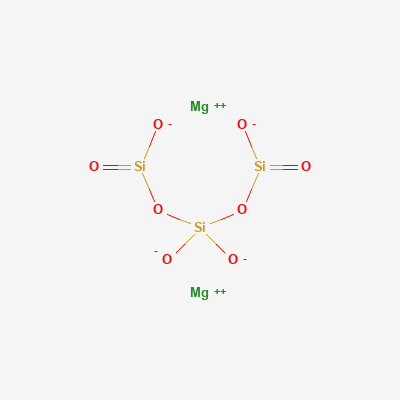
magnesium trisilicate

Antacid (magnesium silicate, non-systemic) · Antacid
START
1–2 tablets chewed 3–4 times daily PRN
TYPICAL MAX
~2 g/day
STOP IF
Severe diarrhoea or symptomatic hypermagnesaemia
WATCH
Renal function (avoid in severe impairment); chronic high-dose use
CDSCO approvedATC A02AA20
Dose laddermg/d
500single dose2kmax/day
Renal dose adjustmenteGFR mL/min/1.73m²
FULLUsual short-term use30AVOIDAvoid — hypermagnesaemia risk90

KDIGO 2024 + manufacturer label

Pharmacokineticsplasma · t hours
6minONSET30minPEAK36s2hDURATION
ONSET
6min · neutralise
PEAK
30min · local peak
36s · not absorbed
DURATION
2h · gastric empty
EXCRETION
Faecal (silica); absorbed Mg renal
route + CYP
INTERACTIONS
none in our sources
PREGNANCY
Acceptable short-term use at recommended doses.
FDA category + note

Mechanism

Reacts slowly with gastric acid to form magnesium chloride and silicon dioxide gel, neutralising acid and coating the mucosa; magnesium provides a mild osmotic laxative effect.

Indications

Dyspepsia / heartburnPeptic ulcer symptom relief (adjunct)Reflux symptoms

Dosing

Adult
1–2 tablets (250–500 mg) chewed 3–4 times daily and at bedtime as needed.
Pediatric
Limited use; per paediatric formulation.
Renal adjustment
Avoid in severe renal impairment (hypermagnesaemia).
Hepatic adjustment
No adjustment.
Geriatric
Caution; renal-decline accumulation.
Max dose
~2 g/day (typical chronic intake)

Pharmacokinetics

Onset
Neutralisation within minutes
Peak effect
Local within minutes
Duration
~1–3 h (gastric emptying)
Half-life
Not applicable (poor absorption; Mg renal clearance if absorbed)
Bioavailability
Low (poor magnesium/silica absorption)
Protein binding
Not applicable
Metabolism
Not metabolised
Excretion
Faecal (silica); absorbed Mg renally

Contraindications

  • Severe renal impairment (magnesium accumulation)
  • Hypersensitivity

Side effects

Common
Diarrhoea (osmotic)BelchingFlatulenceHypermagnesaemia (renal impairment)
Serious
  • Hypermagnesaemia in renal failure (weakness, hyporeflexia, arrhythmia)
  • Silica renal stones (chronic high-dose)
  • Severe diarrhoea

Pregnancy & lactation

Pregnancy

Acceptable short-term use at recommended doses.

Lactation

Compatible (poor systemic absorption).

Drug interactions

Bisphosphonates
Moderate
Database

Chelation

Separate widely

Source: Kimi deep-research + Cla

Drugs Requiring Acid For Absorption
Moderate
Database

Reduced gastric acidity

Separate dosing or alternative antacid

Source: Kimi deep-research + Cla

Iron Salts
Moderate
Database

Reduced iron absorption

Separate dosing

Source: Kimi deep-research + Cla

Levothyroxine
Moderate
Database

Reduced thyroxine absorption

Separate by ≥4 h

Source: Kimi deep-research + Cla

Nitrofurantoin
Moderate
Database

Decreased efficacy of nitrofurantoin, potentially leading to treatment failure for urinary tract infections.

Separate administration by at least 2-3 hours. Consider alternative antacids if frequent use is required.

Tetracyclines
Moderate
Database

Cation chelation

Separate by ≥2–4 h

Source: Kimi deep-research + Cla

Related guidelines

Ask House about magnesium trisilicate

Continue into a citation-backed clinical answer with the drug context already attached.

Sources: KD Tripathi 7e·Verified: 2026-05-20 · House clinical team·Cockpit curated: 2026-05-20