Drug lookup
Drug reference

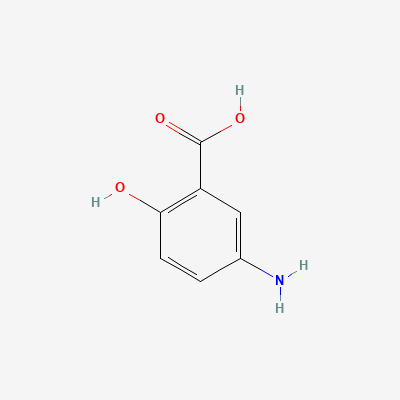
Mesalamine

5-aminosalicylic acid (5-ASA) anti-inflammatory agent · GI Anti-inflammatory

Also known as Mesalazine, 5-aminosalicylic acid, 5-ASA
START
Confirm UC diagnosis and disease extent (rectal, left-sided, pancolitis). Check baseline creatinine (nephrotoxicity risk, though rare). Formulation choice depends on disease location.
TYPICAL MAX
4.8g/day oral. For proctitis, topical (suppository/enema) is more effective than oral alone. Combination oral + topical is most effective for left-sided disease.
STOP IF
Worsening symptoms with fever (acute intolerance syndrome), signs of nephrotoxicity (rising creatinine), severe rash, SJS/TEN, signs of pericarditis (chest pain, friction rub).
WATCH
Renal function annually (interstitial nephritis risk, though rare). Acute intolerance syndrome may mimic flare—consider if symptoms worsen after starting. Formulation matters: Pentasa releases throughout small bowel and colon; Asacol/Lialda release in terminal ileum/colon; Apriso is delayed-release QD formulation.
CDSCO approvedJan AushadhiATC A07EC02
Dose laddermg/d
400start800titrate1.2ktitrate2.4ktitrate4.8kMax oral daily
Renal dose adjustmenteGFR mL/min/1.73m²
FULLStandard dosing30CAUTIONUse caution; mon…15AVOIDAvoid (nephrotox…90

KDIGO 2024 + manufacturer label

Pharmacokineticsplasma · t hours
1hONSET8hPEAK3.5h10hDURATION
ONSET
1h · Onset ~1 hour
PEAK
8h · Tmax 4-12 hours (formulation-dependent)
3.5h · t½ 1-6 hours
DURATION
10h · 8-12 hours per dose
EXCRETION
Fecal as acetylated metabolite (~80%)
route + CYP
INTERACTIONS
none in our sources
PREGNANCY
Preferred treatment for UC in pregnancy—safe, minimal systemic absorption. No teratogenic effects. Continue maintenance during pregnancy to prevent flare.
FDA category + note
Available in India

83 branded formulations. Look up specific brands in the Drugs workspace.

Jan Aushadhi — generic available at GoI pharmacies

Mechanism

Topical anti-inflammatory effect on colonic mucosa. Inhibits cyclooxygenase and lipoxygenase pathways, reducing prostaglandin and leukotriene synthesis. Scavenges free radicals, inhibits NF-κB activation, and modulates mucosal cytokine production. Acts locally in the GI tract with minimal systemic absorption.

Indications

Mild to moderate ulcerative colitis (induction and maintenance of remission)Crohn's disease (mild colonic disease—limited evidence)Maintenance of remission in ulcerative colitis (long-term)

Dosing

Adult
UC induction: 2.4-4.8g/day PO divided TID-QID (Asacol HD 800mg: 2 tablets TID). UC maintenance: 1.2-2.4g/day PO divided BID-QID. Rectal (enema): 1-4g daily or QHS for proctitis/distal colitis. Suppository: 1g daily for proctitis.
Pediatric
>5 years: 30-50mg/kg/day divided BID-TID (max 75mg/kg/day or 4.8g).
Renal adjustment
No adjustment for mild-moderate. Severe renal impairment: avoid (nephrotoxicity risk).
Hepatic adjustment
Use caution; avoid in severe hepatic impairment.
Geriatric
No specific adjustment; monitor renal function closely.
Max dose
4.8g/day (oral); 4g/day (rectal)

Pharmacokinetics

Onset
Symptomatic improvement 3-7 days; mucosal healing 2-4 weeks
Peak effect
Tmax 4-12 hours (formulation-dependent); delayed-release tablets release in terminal ileum/colon
Duration
8-12 hours per dose
Half-life
~1-6 hours (acetylated metabolites); parent compound minimally absorbed
Bioavailability
~10-30% (oral; extensive first-pass and local metabolism in gut wall)
Protein binding
~43%
Metabolism
Extensive acetylation in gut mucosa and liver to N-acetyl-5-ASA (inactive metabolite)
Excretion
~80% fecal (majority as N-acetyl-5-ASA); ~20% renal (metabolites)

Contraindications

  • Hypersensitivity to salicylates or aminosalicylates
  • Severe hepatic or renal impairment
  • Salicylate hypersensitivity (asthma, urticaria)
  • Children <2 years (some formulations)

Side effects

Common
HeadacheNauseaAbdominal pain / crampingFlatulenceDiarrheaRash
Serious
  • Acute intolerance syndrome (worsening colitis symptoms—may mimic disease flare)
  • Nephrotoxicity (interstitial nephritis, rare)
  • Hepatotoxicity (elevated LFTs)
  • Pericarditis / myocarditis (rare)
  • Blood dyscrasias (agranulocytosis, aplastic anemia—rare)
  • Hypersensitivity pneumonitis
  • Severe cutaneous adverse reactions

Pregnancy & lactation

Pregnancy

Preferred treatment for UC in pregnancy—safe, minimal systemic absorption. No teratogenic effects. Continue maintenance during pregnancy to prevent flare.

Lactation

Excreted in breast milk in very small amounts (<1% of maternal dose); negligible infant exposure. Compatible with breastfeeding.

Drug interactions

Azathioprine
Mild
Database

Commonly co-prescribed for UC; mesalamine may inhibit TPMT, increasing 6-MP/azathioprine levels slightly.

Standard combination; monitor CBC and LFTs.

Source: Kimi deep-research + Cla

Digoxin
Mild
Database

Rare reports of altered digoxin absorption with mesalamine.

Monitor digoxin levels if used concurrently.

Source: Kimi deep-research + Cla

Lactulose
Mild
Database

Lower colonic pH may prematurely release mesalamine from some formulations.

Monitor efficacy; consider alternative mesalamine formulation.

Source: Kimi deep-research + Cla

Nsaids
Mild
Database

NSAIDs may worsen UC; avoid in inflammatory bowel disease.

Avoid NSAIDs in UC patients; use acetaminophen for pain.

Source: Kimi deep-research + Cla

Warfarin
Mild
Database

Mesalamine may enhance warfarin effect through protein binding displacement or vitamin K deficiency.

Monitor INR when starting or stopping mesalamine.

Source: Kimi deep-research + Cla

Related guidelines

Ask House about Mesalamine

Continue into a citation-backed clinical answer with the drug context already attached.

Sources: Goodman & Gilman 14e, Katzung, Nelson, Harriet Lane·Verified: 2026-05-19 · House clinical team·Cockpit curated: 2026-05-19