Drug lookup
Drug reference

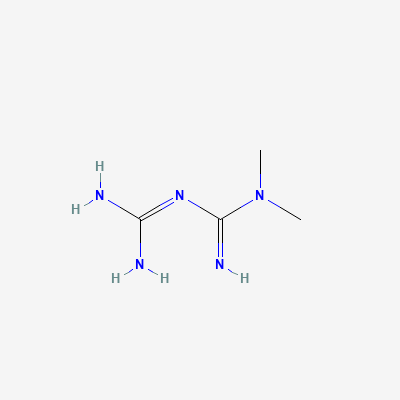
Metformin

Biguanide · Antidiabetic

Also known as Metformin hydrochloride, Glucomin, Glyciphage, Met XL, Glycomet, Riomet

START
500 mg PO BID with meals
TYPICAL MAX
2,000 mg/day (typical) · 2,550 mg/day (IR ceiling)
STOP IF
eGFR <30 mL/min/1.73m²
WATCH
Lactic acidosis · B12 deficiency
CDSCO approvedSchedule HJan AushadhiNPPA price-controlledATC A10BA02
Dose laddermg/d
500start1kweek 21.5kweek 32ktypical max2.55kIR ceiling
Renal dose adjustmenteGFR mL/min/1.73m²
FULLFull dose, no adjustment60CAUTIONCap 1,000 mg/day; …45REDUCEReduce 50%; do not…30AVOIDAvoid — lactic acidosis risk90

KDIGO 2024 + manufacturer label

Pharmacokineticsplasma · t hours
1hONSET2.5hPEAK6.2h12hDURATION
ONSET
1h · GI absorption begins
PEAK
2.5h · Cmax (IR)
6.2h · plasma t½
DURATION
12h · IR clinical effect
EXCRETION
90% renal unchanged · no CYP metabolism
route + CYP
INTERACTIONS
12 major
SEVERE in our sources
PREGNANCY
Category B — preferred over sulfonylureas in GDM
FDA category + note
Top interactionssee all 12
  • Tyrosine Kinase InhibitorsSevereTextbookG&G 14e · p82
  • AcetazolamideSevereDatabaseDDInter
  • Contrast DyeSevereDatabase
  • Contrast MediaSevereDatabase
Available in India

684 branded formulations and 6,800 fixed-dose combinations. Look up specific brands in the Drugs workspace.

Jan Aushadhi — generic available at GoI pharmacies

Mechanism

Metformin reduces hepatic glucose production by inhibiting gluconeogenesis and glycogenolysis, primarily by activating AMP-activated protein kinase (AMPK). It also improves insulin sensitivity in peripheral tissues (skeletal muscle and adipose tissue), leading to increased glucose uptake and utilization. Additionally, it delays intestinal glucose absorption, contributing to its glucose-lowering effects without causing hypoglycemia.

Indications

Type 2 Diabetes Mellitus (as monotherapy or in combination)Gestational Diabetes (off-label)Polycystic Ovary Syndrome (PCOS) (off-label)Type 2 diabetes mellitusMitigate antipsychotic-induced weight gain (olanzapine, clozapine)mitigate lithium-related weight gainmitigate SGA-induced weight gain in child/adolescent patientsFirst-line treatment of type 2 diabetesInfertility in women with polycystic ovarian syndrome (off-label)Delay progression to diabetes in impaired glucose tolerancetype 2 diabetes mellitus (first choice)improve ovulation and fertility in women with polycystic ovary syndrome

Dosing

Adult
Initial: 500 mg orally once daily or twice daily with meals. Titration: Increase by 500 mg weekly to a maximum of 2000 mg/day (immediate-release). For extended-release (XR): Initial 500-1000 mg once daily with evening meal; increase by 500 mg weekly to a maximum of 2000 mg/day.
Pediatric
(10-16 years): Initial: 500 mg orally twice daily with meals. Titration: Increase by 500 mg weekly to a maximum of 2000 mg/day in divided doses.
Renal adjustment
eGFR ≥45 mL/min/1.73m²: No renal dose restriction — metformin may be initiated and continued at standard dose (up to 2000 mg/day). eGFR 30-44 mL/min/1.73m²: Do not initiate; if the patient is already on metformin, reduce to a maximum of 1000 mg/day and monitor renal function every 3 months. eGFR <30 mL/min/1.73m²: Contraindicated — discontinue.
Hepatic adjustment
Contraindicated in severe hepatic impairment due to increased risk of lactic acidosis. Use with caution in moderate impairment; monitor liver function closely.
Geriatric
Monitor renal function closely (eGFR) as elderly patients are more prone to renal impairment. Start with lower doses (e.g., 500 mg once daily) and titrate slowly.
Max dose
2550 mg/day (immediate-release) or 2000 mg/day (extended-release).

Pharmacokinetics

Onset
Glucose-lowering effects typically observed within a few days.
Peak effect
Immediate-release: 2-3 hours; Extended-release: 4-8 hours.
Duration
Immediate-release: Approximately 10-12 hours.
Half-life
Plasma elimination half-life is approximately 4-9 hours (single dose), but blood half-life is approximately 17 hours.
Bioavailability
Approximately 50-60% after oral administration in a fasting state.
Protein binding
Negligible (<5%).
Metabolism
Not metabolized in the liver. Excreted unchanged.
Excretion
Primarily renal excretion (unchanged drug).

Contraindications

  • Severe renal impairment (eGFR <30 mL/min/1.73m²)
  • Acute or chronic metabolic acidosis, including diabetic ketoacidosis
  • Known hypersensitivity to metformin
  • Severe congestive heart failure requiring pharmacological treatment
  • Severe hepatic impairment
  • Acute myocardial infarction
  • Severe infection/sepsis
  • Dehydration
  • Radiological studies involving intravascular administration of iodinated contrast media (temporarily discontinue)
  • hypotensive states
  • heart failure
  • severe respiratory disease
  • hepatic disease
  • renal disease
  • alcoholics

Side effects

Common
DiarrheaNauseaVomitingAbdominal painFlatulenceAnorexiaMetallic tasteHeadacheWeaknessIndigestionAbdominal crampsBloatingVitamin B12 deficiencymild diarrhoeatirednessvitamin B12 deficiency (with high dose)
Serious
  • Lactic acidosis (rare but serious)
  • Vitamin B12 deficiency (with long-term use)
  • Hypoglycemia (when combined with insulin or sulfonylureas)
  • Lactic acidosis
  • lactic acidosis (accentuated in liver disease)
  • lactic acidosis (rare, increased risk with alcohol or renal failure)

Pregnancy & lactation

Pregnancy

Category B — preferred over sulfonylureas in GDM

Lactation

Metformin is excreted into breast milk in small amounts. It is generally considered compatible with breastfeeding, but caution is advised, and the infant should be monitored for adverse effects.

Drug interactions

Tyrosine Kinase Inhibitors
Severe
Textbook

Enhances biguanide toxicity, potentially leading to lactic acidosis, a lethal side effect.

Caution should be exercised when co-administering metformin with tyrosine kinase inhibitors, and patients should be monitored for signs of metformin toxicity.

Source: G&G 14e · p82

Acetazolamide
Severe
Database

Drug interaction classified as: synergy.

Source: DDInter

Contrast Dye
Severe
Database

Lactic acidosis — potentially fatal

Hold metformin 48h before contrast. Resume only after normal renal function confirmed.

Contrast Media
Severe
Database

Lactic acidosis: life-threatening metabolic acidosis due to metformin accumulation in renal impairment

Withhold metformin 48 hours before and after contrast. Check renal function before restarting

Diatrizoate
Severe
Database

Clinical effect not specified

Source: DDInter

Diclofenamide
Severe
Database

Clinical effect not specified

Source: DDInter

Ethanol
Severe
Database

Drug interaction classified as: others.

Source: DDInter

Gatifloxacin
Severe
Database

.

Source: DDInter

Iodinated Contrast Media
Severe
Database

Increased metformin plasma concentrations, increased risk of lactic acidosis

Discontinue metformin at the time of or prior to the imaging procedure in patients with an eGFR between 30-60 mL/min/1.73 m2, in patients with a history of liver disease, alcoholism, or heart failure, or in patients who will be administered intra-arterial iodinated contrast. Re-evaluate eGFR 48 hours after the imaging procedure and restart metformin if renal function is stable.

Iodinated Contrast
Severe
Database

Lactic acidosis

Hold metformin 48h before and after contrast.

Iodipamide
Severe
Database

Clinical effect not specified

Source: DDInter

Iodixanol
Severe
Database

.

Source: DDInter

Related guidelines

Ask House about Metformin

Continue into a citation-backed clinical answer with the drug context already attached.

Sources: KD Tripathi 7e, Goodman & Gilman 14e, Katzung, BNF·Verified: 2026-06-01 · House clinical team·Cockpit curated: 2026-05-16