Drug lookup
Drug reference

Methotrexate

Antimetabolite · Antineoplastic

Also known as Methotrexate Sodium, MTX
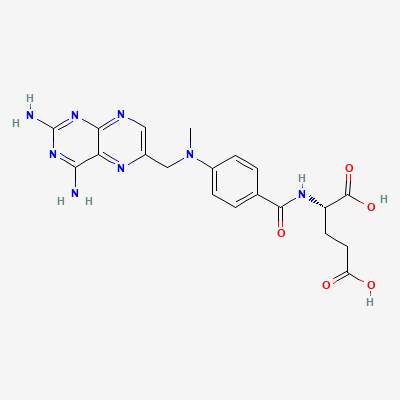
START
7.5-15 mg PO once weekly (RA/psoriasis) + folic acid 5 mg weekly
TYPICAL MAX
25 mg/week PO (RA) — higher IV/IM for oncology
STOP IF
Pregnancy · severe renal/hepatic disease · pancytopenia · active infection · alcohol misuse
WATCH
CBC + LFTs + Cr q2-4 wks initially then q3 mo · folic acid co-Rx · 'once weekly'
CDSCO approvedJan AushadhiNPPA price-controlledATC L01BA01
Dose laddermg/d
7.5RA start10titrate15titrate25max
Renal dose adjustmenteGFR mL/min/1.73m²
FULLFull dose; standard monitoring60REDUCEReduce 50%; close monitoring30AVOIDAvoid — myelosuppression risk90

KDIGO 2024 + manufacturer label

Pharmacokineticsplasma · t hours
2wONSET1.5hPEAK8h1wDURATION
ONSET
2w · clinical RA response at 2-4 weeks
PEAK
1.5h · Cmax PO
8h · plasma t½ (longer in CKD)
DURATION
1w · weekly dosing window
EXCRETION
80-90% renal unchanged · narrow margin
route + CYP
INTERACTIONS
12 major
incl. contraindicated
PREGNANCY
Category X — abortifacient, teratogen; effective contraception both partners
FDA category + note
Top interactionssee all 12
  • AspirinContraindicatedTextbook-citedKDT 7e · p949
  • CelecoxibContraindicatedTextbook-citedKDT 7e · p949
  • DiclofenacContraindicatedTextbook-citedKDT 7e · p949
  • IbuprofenContraindicatedTextbook-citedKDT 7e · p949
Available in India

169 branded formulations. Look up specific brands in the Drugs workspace.

Jan Aushadhi — generic available at GoI pharmacies

Mechanism

Methotrexate acts as a folate antagonist by reversibly inhibiting dihydrofolate reductase (DHFR), an enzyme essential for the synthesis of DNA, RNA, and proteins. This inhibition leads to depletion of tetrahydrofolate, disrupting cell proliferation, particularly in rapidly dividing cells. At lower doses, its anti-inflammatory and immunosuppressive effects are attributed to adenosine release and inhibition of lymphocyte proliferation.

Indications

Acute Lymphoblastic Leukemia (ALL)ChoriocarcinomaGestational Trophoblastic DiseaseBreast CancerLung CancerHead and Neck CancerNon-Hodgkin LymphomaOsteosarcomaRheumatoid Arthritis (RA)Psoriasis (severe)Psoriatic ArthritisEctopic Pregnancy (off-label)Crohn's Disease (off-label)termination of unwanted pregnancysteroid-resistant or steroid-dependent IBD (reserved for)maintenance of remission in Crohn’s diseaseadjunct to biologics to boost efficacy and reduce antidrug antibodiesused in combination with anti–TNF-α antibody therapyrheumatoid arthritisorgan transplantationpsoriasiscancerchildhood acute lymphoblastic leukemia (ALL) (critical drug for remission induction, consolidation, and maintenance)meningeal leukemia or lymphoma (intrathecal for treatment or prophylaxis)meningeal carcinomatosis (intrathecal)choriocarcinoma and related trophoblastic tumors of women (with dactinomycin)Burkitt lymphoma (in combination therapy)non-Hodgkin lymphomas (in combination therapy)carcinomas of the breast (component of regimens)carcinomas of the head and neck (component of regimens)carcinomas of the ovary (component of regimens)carcinomas of the bladder (component of regimens)osteosarcoma (high-dose with leucovorin rescue)CNS lymphomas (high-dose with leucovorin rescue)severe, disabling psoriasisrefractory rheumatoid arthritis (low dosage)graft-versus-host disease (suppression in allogeneic bone marrow and organ transplantation)dermatomyositisWegener granulomatosisCrohn’s diseaseabortifacient (generally in combination with a prostaglandin)Inducing abortion (in combination with misoprostol)Childhood acute leukaemias (maintenance therapy)Bladder cancerHead and neck cancersOsteogenic sarcomaAutoimmune disorderssevere, widespread psoriatic diseasepsoriatic arthritis (PsA)

Dosing

Adult
Highly variable based on indication and route of administration. For Rheumatoid Arthritis/Psoriasis: Oral, subcutaneous, or intramuscular, 7.5 to 25 mg once weekly, adjusted based on response and tolerability. For oncology indications, doses can range from low daily oral doses to high-dose intravenous infusions (e.g., 100-15000 mg/m2) with leucovorin rescue.…
Pediatric
For Acute Lymphoblastic Leukemia (ALL): Varies widely by protocol, often 15-30 mg/m2 orally once weekly, or higher doses IV. For Juvenile Idiopathic Arthritis (JIA): Oral or subcutaneous, 0.3-1 mg/kg (maximum 25 mg/week) once weekly.
Renal adjustment
Reduce dose or increase dosing interval based on creatinine clearance (CrCl). For CrCl 30-50 mL/min: Reduce dose by 50% or extend interval by 50%. Generally contraindicated if CrCl <30 mL/min due to risk of severe toxicity and prolonged elimination.
Hepatic adjustment
Use with extreme caution; generally contraindicated in patients with significant hepatic impairment (e.g., bilirubin >3-5 mg/dL or AST >3 times ULN). Dose reduction may be necessary for milder impairment, but clear guidelines are lacking.
Geriatric
Use with caution; start at lower doses and titrate slowly due to potential age-related decrease in renal and hepatic function. Increased susceptibility to myelosuppression and other toxicities.
Max dose
For Rheumatoid Arthritis/Psoriasis, typically 25 mg once weekly. For oncology, maximum doses can be much higher but are protocol-specific and require leucovorin rescue.

Pharmacokinetics

Onset
For Rheumatoid Arthritis: 3-6 weeks. For Psoriasis: 1-4 weeks. For oncology, therapeutic effects can be seen more rapidly depending on the type of cancer.
Peak effect
Oral: 1-4 hours. Intramuscular/Subcutaneous: 30-60 minutes. Intravenous: Immediate.
Duration
Varies by dose and indication. Cellular effects can persist for weeks after administration.
Half-life
Biphasic elimination. Low dose (e.g., for RA): 3-10 hours. High dose (e.g., for oncology): 8-15 hours.
Bioavailability
Oral bioavailability is dose-dependent, approximately 30-70% at doses <30 mg/m2, decreasing with higher doses due to saturation of absorption.
Protein binding
Approximately 50% (primarily to albumin).
Metabolism
Limited hepatic metabolism (approximately 10%) to 7-hydroxymethotrexate (an active metabolite with lower affinity for DHFR) and polyglutamates. Intestinal bacteria also contribute to metabolism.
Excretion
Primarily renal (50-90% unchanged drug excreted within 24 hours via glomerular filtration and active tubular secretion), with some biliary/fecal excretion.

Contraindications

  • Pregnancy
  • Breastfeeding
  • Severe renal impairment (CrCl <30 mL/min)
  • Significant hepatic impairment (e.g., cirrhosis, chronic active hepatitis)
  • Pre-existing blood dyscrasias (e.g., significant anemia, leukopenia, thrombocytopenia)
  • Immunodeficiency syndromes
  • Active serious infections (e.g., tuberculosis, herpes zoster)
  • Alcoholism
  • Pulmonary fibrosis
  • Peptic ulcer disease
  • Hypersensitivity to methotrexate

Side effects

Common
NauseaVomitingStomatitis (mouth sores)DiarrheaFatigueHeadacheDizzinessHair loss (reversible)Increased liver enzymes (transient)Myelosuppression (leukopenia, thrombocytopenia, anemia)RashPhotosensitivityloose stoolstomatitispunctate cutaneous eruptionCNS symptoms (headache, fatigue, impaired ability to concentrate)alopeciafever (drug related or due to infection)macrocytosismyelosuppressionGI epithelium toxicitydermatitisallergic interstitial pneumonitisdefective oogenesisdefective spermatogenesismeningismus (intrathecal administration)inflammatory response in the CSF (intrathecal administration)MucositisDiarrhoeaDesquamationBleeding in g.i.t.
Serious
  • Severe myelosuppression (aplastic anemia, pancytopenia)
  • Hepatotoxicity (liver fibrosis, cirrhosis with chronic use)
  • Pulmonary fibrosis/Pneumonitis
  • Acute renal failure
  • Severe dermatologic reactions (Stevens-Johnson Syndrome, Toxic Epidermal Necrolysis)
  • Opportunistic infections (Pneumocystis jirovecii pneumonia, viral reactivations)
  • Neurotoxicity (especially with high dose IV or intrathecal administration, e.g., seizures, encephalopathy)
  • Tumor Lysis Syndrome
  • Gastrointestinal hemorrhage
  • Lymphoma (rare, often reversible upon discontinuation)
  • hematologic abnormalities
  • spontaneous hemorrhage
  • life-threatening infection
  • nephrotoxicity (after high-dose therapy, due to precipitation of the drug in acidic tubular fluid)
  • cirrhosis (after long-term continuous low-dose treatment for psoriasis)
  • seizures (rarely with intrathecal administration)
  • coma (rarely with intrathecal administration)
  • death (rarely with intrathecal administration)
  • abortion
  • teratogenesis
  • cleft palate (teratogenic)
  • hydrocephalus (teratogenic)
  • multiple defects (teratogenic)
  • foetal death (teratogenic)
  • Bone marrow depression (pancytopenia at high doses, megaloblastic anaemia at low doses)
  • hepatotoxicity
  • pulmonary toxicity
  • pancytopenia
  • potential for increased malignancies
  • ulcerative stomatitis
  • nausea
  • diarrhea
  • teratogenicity

Pregnancy & lactation

Pregnancy

Category X — abortifacient, teratogen; effective contraception both partners

Lactation

Contraindicated. Methotrexate is excreted into breast milk and can cause serious adverse effects in a nursing infant.

Drug interactions

Aspirin
Contraindicated
Textbook-cited

Severe methotrexate toxicity (pancytopenia, mucositis).

Avoid concurrent use

Source: KDT 7e · p949

Celecoxib
Contraindicated
Textbook-cited

Severe methotrexate toxicity (pancytopenia, mucositis).

Avoid concurrent use

Source: KDT 7e · p949

Diclofenac
Contraindicated
Textbook-cited

Severe methotrexate toxicity (pancytopenia, mucositis).

Avoid concurrent use

Source: KDT 7e · p949

Ibuprofen
Contraindicated
Textbook-cited

Severe methotrexate toxicity (pancytopenia, mucositis).

Avoid concurrent use

Source: KDT 7e · p949

Mefenamic Acid
Contraindicated
Textbook-cited

Severe methotrexate toxicity (pancytopenia, mucositis)

Avoid concurrent use

Source: KDT 7e · p949

Probenecid
Contraindicated
Database

Reduces renal secretion and increases plasma levels of methotrexate.

Avoid combination.

Source: DDInter

Trimethoprim
Contraindicated
Database

Serious toxicity from elevated methotrexate levels.

Administration of trimethoprim-sulfamethoxazole should be avoided in patients receiving high doses of methotrexate for treatment of malignancies.

Source: DDInter

Dihydrofolate Reductase
Severe
Textbook

Causes megaloblastic appearances and megaloblastic anemia.

The antidote is a reduced form of folate, folinic acid (5-formyl-THF).

Source: Harrison 22e · p782, p788

Non Steroidal Anti Inflammatory Drugs
Severe
Textbook

Delayed methotrexate excretion, leading to severe myelosuppression.

High-dose methotrexate regimens should be avoided with concurrent NSAIDs.

Source: G&G 14e · p1355

Nonsteroidal Anti Inflammatory Agents
Severe
Textbook

Toxicity of methotrexate is augmented by decreased renal clearance.

Source: Harrison 22e · p551

Penicillin Type Drugs
Severe
Textbook

Increased methotrexate levels, leading to increased treatment-related toxicity.

Monitor for toxicity if co-administered. Dose adjustment or alternative therapy may be required.

Source: G&G 14e · p1116

Acitretin
Severe
Database

Drug interaction classified as: synergy.

Source: DDInter

Related guidelines

Other Antimetabolite drugs

Ask House about Methotrexate

Continue into a citation-backed clinical answer with the drug context already attached.

Sources: KD Tripathi 7e, Goodman & Gilman 14e, Harrison 22e, Katzung·Verified: 2026-05-16 · House clinical team·Cockpit curated: 2026-05-16