Drug lookup
Drug reference

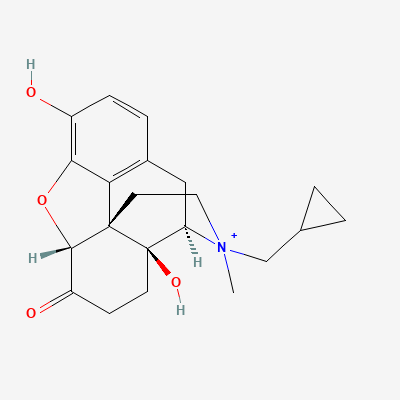
Methylnaltrexone

Peripherally-acting mu-opioid receptor antagonist (PAMORA) · Opioid-Induced Constipation Treatment

Also known as Relistor, Methylnaltrexone bromide

START
SC 8 mg (<62 kg) or 12 mg (62–114 kg) every other day; or PO 450 mg/d fasting
TYPICAL MAX
Once-daily SC if needed; PO 450 mg/day
STOP IF
GI perforation signs (severe abdominal pain), or severe withdrawal
WATCH
Laxation response, GI symptoms, gut-wall integrity history
CDSCO approvedSchedule HATC A06AH01
Dose laddermg/d
8SC <62kg12SC 62-114kg450PO daily
Renal dose adjustmenteGFR mL/min/1.73m²
FULLStandard dosing30REDUCEReduce SC by 50%; PO 150 mg90

KDIGO 2024 + manufacturer label

Pharmacokineticsplasma · t hours
15minONSET30minPEAK8h2dDURATION
ONSET
15min · absorption
PEAK
30min · SC Tmax
8h ·
DURATION
2d · alt-day SC
EXCRETION
Renal (~50% unchanged); some faecal
route + CYP
INTERACTIONS
12 major
SEVERE in our sources
PREGNANCY
Limited data; use only if benefit outweighs risk; may precipitate fetal withdrawal.
FDA category + note
Top interactionssee all 12
  • AcetaminophenSevereTextbookHarrison 22e · p98-99
  • AlprazolamSevereTextbookG&G 14e
  • BarbituratesSevereTextbookKDT 7e · p401
  • BenzodiazepinesSevereTextbookKDT 7e · p383

Mechanism

Quaternary amine derivative of naltrexone that does NOT cross the blood-brain barrier — peripheral μ-opioid antagonism blocks opioid-induced gut motility suppression while preserving central analgesia.

Indications

Opioid-induced constipation in adults with advanced illness (palliative care)OIC in adults with non-cancer chronic pain

Dosing

Adult
SC: 8 mg (<62 kg) or 12 mg (62–114 kg) every other day as needed (up to once daily). PO: 450 mg once daily fasting.
Pediatric
Not established.
Renal adjustment
CrCl <30: reduce SC dose by 50%. PO 450 mg → 150 mg.
Hepatic adjustment
Severe impairment: reduce dose / monitor.
Geriatric
No specific adjustment.
Max dose
Once-daily dosing (SC every other day standard; PO 450 mg daily)

Pharmacokinetics

Onset
Laxation within 30 min – 4 h
Peak effect
SC ~30 min; PO ~1.5 h
Duration
Per dose; redose every other day
Half-life
~8 h
Bioavailability
SC ~82%; PO ~3% (fasting)
Protein binding
Low
Metabolism
Minimal hepatic
Excretion
Renal (~50% unchanged); some faecal

Contraindications

  • Known or suspected mechanical GI obstruction
  • Hypersensitivity
  • Caution: severe disturbances of gut wall (Crohn's, diverticulitis, malignancy)

Side effects

Common
Abdominal painFlatulenceNauseaDizzinessDiarrhoeaHyperhidrosis
Serious
  • GI perforation (rare; in patients with gut-wall disease)
  • Severe opioid withdrawal (if BBB disrupted)
  • Severe diarrhoea / dehydration

Pregnancy & lactation

Pregnancy

Limited data; use only if benefit outweighs risk; may precipitate fetal withdrawal.

Lactation

Limited data; weigh benefit/risk.

Drug interactions

Acetaminophen
Severe
Textbook

Acetaminophen-related hepatotoxicity, a significant cause for liver failure.

Many practitioners have moved away from opioid-acetaminophen combination analgesics to avoid the risk of excessive acetaminophen exposure.

Source: Harrison 22e · p98-99

Alprazolam
Severe
Textbook

Increased rates of accidental overdose and death.

Caution is advised, especially for patients with a history of drug abuse.

Source: G&G 14e
Barbiturates
Severe
Textbook

Exaggerated CNS depression.

Source: KDT 7e · p401

Benzodiazepines
Severe
Textbook

Marked depression of respiration, cardiac contractility, and blood pressure.

Carefully monitor respiratory and cardiovascular functions when co-administering benzodiazepines with opioids due to increased risk of severe depression of vital signs.

Source: KDT 7e · p383

Chloral Hydrate
Severe
Textbook

Increased rates of accidental overdose and death.

Caution is advised, especially for patients with a history of drug abuse.

Source: G&G 14e

Chlordiazepoxide Hydrochloride
Severe
Textbook

Increased rates of accidental overdose and death.

Caution is advised, especially for patients with a history of drug abuse.

Source: G&G 14e

Chlordiazepoxide
Severe
Textbook

Increased rates of accidental overdose and death.

Caution is advised, especially for patients with a history of drug abuse.

Source: G&G 14e

Clobazam
Severe
Textbook

Increased rates of accidental overdose and death.

Caution is advised, especially for patients with a history of drug abuse.

Source: G&G 14e

Clomethiazole
Severe
Textbook

Increased rates of accidental overdose and death.

Caution is advised, especially for patients with a history of drug abuse.

Source: G&G 14e

Clonazepam
Severe
Textbook

Increased rates of accidental overdose and death.

Caution is advised, especially for patients with a history of drug abuse.

Source: G&G 14e

Clorazepate
Severe
Textbook

Increased number of deaths.

Avoid combination due to increased risk of respiratory depression and death.

Source: G&G 14e

Diazepam
Severe
Textbook

Increased rates of accidental overdose and death.

Caution is advised, especially for patients with a history of drug abuse.

Source: G&G 14e

Related guidelines

Ask House about Methylnaltrexone

Continue into a citation-backed clinical answer with the drug context already attached.

Sources: Goodman & Gilman 14e, Harrison 22e, BNF·Verified: 2026-05-20 · House clinical team·Cockpit curated: 2026-05-20