Drug lookup
Drug reference

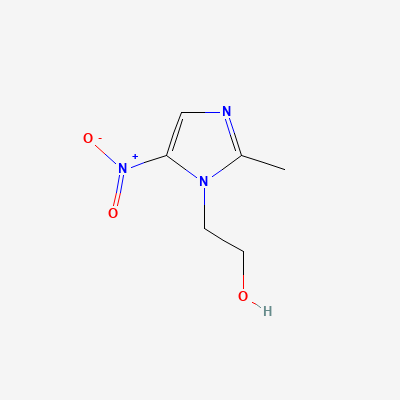
Metronidazole

Nitroimidazole · Antibiotic

Also known as Metronidazole Benzoate

START
Confirm anaerobic/protozoal infection. Baseline CBC, LFTs. Rule out Cockayne syndrome. Counsel on absolute alcohol avoidance during and 3 days after therapy. Obtain pregnancy test if applicable.
TYPICAL MAX
4 g/day IV; 2 g single oral dose. Do not exceed 4 g/day (neurotoxicity risk).
STOP IF
Signs of peripheral neuropathy (numbness, tingling, burning), encephalopathy (ataxia, confusion, seizures), severe rash, jaundice/hepatotoxicity, pregnancy
WATCH
CNS symptoms (neuropathy, encephalopathy — especially with courses >10 days), LFTs (prolonged therapy), INR if on warfarin, alcohol compliance
CDSCO approvedSchedule HJan AushadhiATC P01AB01
Dose laddermg/d
250start500titrate750max2kmax4kceiling
Renal dose adjustmenteGFR mL/min/1.73m²
FULLFull dose: 500 mg IV q8h or PO10REDUCEReduce dos…90

KDIGO 2024 + manufacturer label

Pharmacokineticsplasma · t hours
23minONSET1.5hPEAK7h8hDURATION
ONSET
23min · absorption onset
PEAK
1.5h · 1-2 h (oral)
7h · 6-8 h (normal); 18-24 h (severe hepatic)
DURATION
8h · 6-8 h (q6-8h dosing)
EXCRETION
60-80% renal (parent + metabolites); 6-15% fecal; dialyzable
route + CYP
INTERACTIONS
12 major
incl. contraindicated
PREGNANCY
FDA PLLR: Use with caution. Animal studies showed no teratogenicity but limited human data. Avoid high-dose or prolonged use in first trimester. For trichomoniasis, defer treatment to second trimester if possible. Metronidazole crosses placenta.
FDA category + note
Top interactionssee all 12
  • Eikenella CorrodensContraindicatedTextbookHarrison 22e · p1054
  • LopinavirContraindicatedTextbookG&G 14e · p1245-1266
  • AlcoholContraindicatedDatabaseKimi deep-research + Cla · p948
  • DisulfiramContraindicatedDatabaseKimi deep-research + Cla
Available in India

82 branded formulations and 736 fixed-dose combinations. Look up specific brands in the Drugs workspace.

Jan Aushadhi — generic available at GoI pharmacies

Mechanism

Metronidazole is a nitroimidazole antimicrobial that is selectively taken up by anaerobic organisms and certain protozoa. Within the cell, its nitro group is reduced by low-redox-potential electron transport proteins (ferredoxin, flavodoxin) to form highly reactive cytotoxic radical anions. These radicals damage microbial DNA by causing strand breakage, helix destabilization, and inhibition of nucleic acid synthesis. The drug is active only against anaerobic and microaerophilic organisms because oxygen competes with the nitro group for electrons, preventing the reduction necessary for activation.

Indications

Amebiasis (Entamoeba histolytica) — intestinal and extraintestinalTrichomoniasis (Trichomonas vaginalis)Giardiasis (Giardia lamblia/intestinalis)Anaerobic bacterial infections (Bacteroides fragilis, Clostridium, Fusobacterium, Peptostreptococcus)Bacterial vaginosis (Gardnerella vaginalis, anaerobes)C. difficile infection (oral formulation only — first-line for mild-moderate)Peptic ulcer disease (H. pylori eradication — combination therapy)Brain abscess, intra-abdominal infections, diabetic foot infections (anaerobic coverage)

Dosing

Adult
Amebiasis: 500-750 mg PO TID x 5-10 days. Trichomoniasis: 2 g PO single dose OR 500 mg BID x 7 days. Giardiasis: 250 mg PO TID x 5-7 days. Anaerobic infections: 500 mg IV q6-8h. C. difficile: 500 mg PO QID x 10-14 days. Bacterial vaginosis: 500 mg PO BID x 7 days. H. pylori: 500 mg PO BID (with PPI, clarithromycin, amoxicillin).
Pediatric
Amebiasis: 35-50 mg/kg/day PO divided TID (max 750 mg/dose) x 5-10 days. Giardiasis: 15 mg/kg/day PO divided TID x 5-7 days. Anaerobic: 30 mg/kg/day IV divided q6h (max 4 g/day). C. difficile (≥10 kg): 10 mg/kg PO QID (max 500 mg/dose).
Renal adjustment
CrCl <10: reduce dose by 50%. Hemodialysis: supplemental dose post-dialysis (metronidazole and metabolites are dialyzable). CRRT: standard dose.
Hepatic adjustment
Severe hepatic impairment: reduce dose by 50%. Monitor for CNS toxicity (encephalopathy, peripheral neuropathy).
Geriatric
No specific adjustment; monitor for CNS effects and adjust for renal function.
Max dose
4 g/day (IV); 2 g single dose (oral); 750 mg/dose

Pharmacokinetics

Onset
Rapid bactericidal activity against anaerobes; clinical response within 48-72 hours.
Peak effect
Oral: peak plasma at 1-2 hours. IV: immediate distribution.
Duration
6-8 hours (supports q6-8h dosing).
Half-life
6-8 hours (range 6-10 hours; prolonged in severe hepatic impairment to 18-24 hours).
Bioavailability
>90% (oral; comparable to IV).
Protein binding
~10-20% (low).
Metabolism
Hepatic via oxidation, hydroxylation, glucuronidation. Major metabolite: hydroxymetronidazole (active). CYP2C9 substrate; CYP3A4 inhibitor (weak).
Excretion
Urine: ~60-80% (parent + metabolites) within 24 hours. Feces: 6-15%. Dialyzable.

Contraindications

  • Hypersensitivity to metronidazole or other nitroimidazoles (tinidazole, secnidazole)
  • Disulfiram use within past 14 days (psychotic reactions)
  • Alcohol consumption during and for at least 3 days after therapy (disulfiram-like reaction)
  • Cockayne syndrome (severe irreversible hepatotoxicity/acute liver failure)
  • First trimester of pregnancy (for trichomoniasis — relative)

Side effects

Common
Nausea, vomiting, abdominal pain, metallic tasteHeadache, dizzinessDark/reddish-brown urine (harmless metabolite — patient reassurance needed)AnorexiaDry mouth
Serious
  • Peripheral neuropathy (dose-related, cumulative; may be irreversible with prolonged use)
  • Encephalopathy (ataxia, dizziness, dysarthria, seizures — reversible on discontinuation)
  • Seizures
  • Aseptic meningitis
  • Severe hepatotoxicity (acute liver failure in Cockayne syndrome)
  • Severe cutaneous adverse reactions (SJS, TEN, DRESS)
  • Bone marrow suppression (leukopenia, neutropenia)
  • Disulfiram-like reaction with alcohol (severe nausea, vomiting, flushing, abdominal cramps, headache)

Pregnancy & lactation

Pregnancy

FDA PLLR: Use with caution. Animal studies showed no teratogenicity but limited human data. Avoid high-dose or prolonged use in first trimester. For trichomoniasis, defer treatment to second trimester if possible. Metronidazole crosses placenta.

Lactation

Excreted in breast milk (concentrations similar to plasma). AAP recommends temporary discontinuation of breastfeeding during therapy and for 12-24 hours after last dose (milk can be pumped and discarded). Infant may develop loose stools, candidiasis, or blood dyscrasias.

Drug interactions

Eikenella Corrodens
Contraindicated
Textbook

ineffective treatment

Eikenella corrodens is resistant to metronidazole but sensitive to trimethoprim-sulfamethoxazole and fluoroquinolones. Amoxicillin-clavulanate, ampicillin-sulbactam, and cefoxitin are good choices for human bite infections.

Source: Harrison 22e · p1054

Lopinavir
Contraindicated
Textbook

Disulfiram-like reaction.

Should not be administered with metronidazole.

Source: G&G 14e · p1245-1266

Alcohol
Contraindicated
Database

Disulfiram-like reaction: metronidazole inhibits aldehyde dehydrogenase (ALDH), causing accumulation of acetaldehyde. Severe nausea, vomiting, flushing, abdominal cramps, headache, hypotension.

Absolute alcohol avoidance during therapy and for at least 3 days after last dose. This includes alcohol-containing medications, mouthwashes, and cough syrups. Patient counseling mandatory.

Source: Kimi deep-research + Cla · p948

Disulfiram
Contraindicated
Database

Psychotic reactions (acute confusional state, paranoid delusions) have occurred in patients taking metronidazole concurrently with disulfiram or within 14 days of disulfiram.

Do not administer metronidazole to patients who have taken disulfiram within the past 14 days. Wait at least 2 weeks after stopping disulfiram before starting metronidazole.

Source: Kimi deep-research + Cla

Carbamazepine
Severe
Textbook-cited

Loss of therapeutic efficacy of metronidazole.

Avoid concurrent use or increase dose with monitoring

Source: KDT 7e · p949

Phenobarbital
Severe
Textbook-cited

Loss of therapeutic efficacy of metronidazole

Avoid concurrent use or increase dose with monitoring

Source: KDT 7e · p949

Phenytoin
Severe
Textbook-cited

Loss of therapeutic efficacy of metronidazole.

Avoid concurrent use or increase dose with monitoring

Source: KDT 7e · p949

Rifampicin
Severe
Textbook-cited

Loss of therapeutic efficacy of metronidazole.

Avoid concurrent use or increase dose with monitoring

Source: KDT 7e · p949

Alcohol Containing Antiretrovirals
Severe
Textbook

Disulfiram-like effect.

Source: Harrison 22e · p1744

Amprenavir
Severe
Database

Drug interaction classified as: metabolism

Source: DDInter

Anisindione
Severe
Database

Drug interaction classified as: metabolism

Source: DDInter

Dicoumarol
Severe
Database

Clinical effect not specified

Source: DDInter
Related guidelines

Other Nitroimidazole drugs

Ask House about Metronidazole

Continue into a citation-backed clinical answer with the drug context already attached.

Sources: KD Tripathi 7e, Goodman & Gilman 14e, Harrison 22e, Katzung·Verified: 2026-05-18 · House clinical team·Cockpit curated: 2026-05-18