Drug lookup
Drug reference

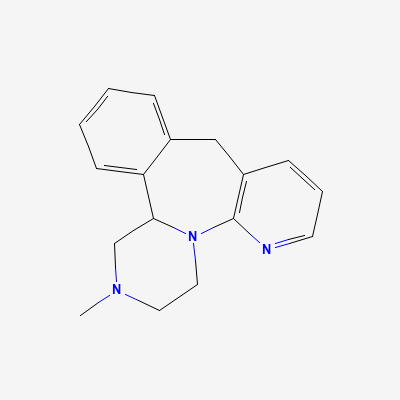
Mirtazapine

Tetracyclic antidepressant (NaSSA - noradrenergic and specific serotonergic antidepressant) · Antidepressant

Also known as Remeron, Zispin, Axit
START
15 mg at bedtime (sedating at this dose); for less sedation, consider 30-45 mg (paradoxically less sedating at higher doses due to more noradrenergic effect)
TYPICAL MAX
45 mg/day
STOP IF
Signs of agranulocytosis (fever, sore throat, infection), severe rash, jaundice, suicidal ideation
WATCH
CBC (baseline and if infection/fever), weight/BMI, lipids, mood/suicide risk (first 4 weeks), sodium (elderly)
CDSCO approvedJan AushadhiATC N06AX11
Dose laddermg/d
7.5start15titrate30titrate45ceiling
Renal dose adjustmenteGFR mL/min/1.73m²
FULLStandard dosing10CAUTIONUse with c…90

KDIGO 2024 + manufacturer label

Pharmacokineticsplasma · t hours
30minONSET2hPEAK1.3d1dDURATION
ONSET
30min · absorption onset
PEAK
2h · Peak plasma concentration
1.3d · 20-40 hours
DURATION
1d · Once-daily dosing at bedtime
EXCRETION
Urine (75%, metabolites)
route + CYP
INTERACTIONS
12 major
incl. contraindicated
PREGNANCY
Avoid in third trimester; use with caution in first/second trimester; limited data
FDA category + note
Top interactionssee all 12
  • MoclobemideContraindicatedTextbookG&G 14e
  • MaoisContraindicatedDatabaseKimi deep-research + Cla
  • AdrenalineSevereTextbookKDT 7e · p365
  • ArtemisininsSevereTextbookKDT 7e · p816-835
Available in India

205 branded formulations. Look up specific brands in the Drugs workspace.

Jan Aushadhi — generic available at GoI pharmacies

Mechanism

Antagonist at central presynaptic alpha-2 adrenergic auto- and heteroreceptors, leading to enhanced noradrenergic and serotonergic (5-HT) neurotransmission. Also potent antagonist at 5-HT2, 5-HT3, and H1 receptors (explaining anxiolytic, antiemetic, and sedative/histaminic effects respectively). Minimal anticholinergic and sexual side effects compared to SSRIs/SNRIs.

Indications

Major depressive disorderAnxiety disorders (GAD, panic disorder - off-label)Insomnia associated with depressionAppetite stimulation / weight gain (off-label)Nausea and vomiting (off-label)Pruritus (off-label)

Dosing

Adult
Start 15 mg at bedtime; increase by 15 mg every 1-2 weeks; usual 15-45 mg/day; max 45 mg/day
Pediatric
Not recommended under 18 years
Renal adjustment
eGFR <10: use with caution; may need dose reduction
Hepatic adjustment
Reduce dose; caution in moderate; avoid in severe
Geriatric
Start 7.5 mg at bedtime; increased sensitivity to sedation and orthostatic hypotension
Max dose
45 mg/day

Pharmacokinetics

Onset
Sleep improvement: days; Antidepressant: 2-4 weeks
Peak effect
2 hours (Tmax)
Duration
24 hours
Half-life
20-40 hours
Bioavailability
~50%
Protein binding
85%
Metabolism
Hepatic CYP1A2, CYP2D6, CYP3A4 (demethylation, hydroxylation, N-oxidation)
Excretion
Urine (75%, as metabolites); fecal (15%)

Contraindications

  • Hypersensitivity to mirtazapine
  • Concomitant MAOIs or within 14 days of MAOI discontinuation
  • Severe hepatic or renal impairment

Side effects

Common
Sedation / drowsiness (dose-dependent: more at lower doses)Increased appetite / weight gainDry mouthConstipationDizzinessIncreased cholesterol / triglycerides
Serious
  • Agranulocytosis (rare, 1 in ~1000)
  • Neutropenia
  • Serotonin syndrome (rare, usually with other serotonergics)
  • Severe skin reactions (Stevens-Johnson)
  • Hyponatremia / SIADH
  • Hepatotoxicity
  • Suicidal ideation (class effect, <24 years)

Pregnancy & lactation

Pregnancy

Avoid in third trimester; use with caution in first/second trimester; limited data

Lactation

Excreted in breast milk; use with caution during breastfeeding; monitor infant for sedation and weight gain

Drug interactions

Moclobemide
Contraindicated
Textbook

Increased risk of serotonin syndrome and potentiated sympathomimetic effects.

Should not be used concurrently with MAOIs or within 14 days of stopping MAOIs.

Source: G&G 14e

Maois
Contraindicated
Database

Serotonin syndrome; 14-day washout required

Never combine; wait 14 days between MAOI and mirtazapine

Source: Kimi deep-research + Cla

Adrenaline
Severe
Textbook

Potentiation of adrenaline's effects.

Vasoconstrictor (adrenaline) containing LA should be avoided in patients receiving tricyclic antidepressants.

Source: KDT 7e · p365

Artemisinins
Severe
Textbook

Increased risk of cardiac conduction defects.

Source: KDT 7e · p816-835

Meglumine Antimoniate
Severe
Textbook

Increased cardiotoxicity (e.g., QT prolongation).

Source: Harrison 22e · p1740

Physostigmine
Severe
Textbook

Partial antagonism of overdose symptoms and coma; however, it may worsen the fall in BP and arrhythmias.

Use is risky.

Source: KDT 7e · p110

Alfentanil
Severe
Database

Drug interaction classified as: synergy

Source: DDInter

Almotriptan
Severe
Database

Drug interaction classified as: synergy

Source: DDInter

Amiodarone
Severe
Database

Drug interaction classified as: synergy.

Source: DDInter

Amisulpride
Severe
Database

Drug interaction classified as: synergy.

Source: DDInter

Amitriptyline
Severe
Database

Drug interaction classified as: synergy.

Source: DDInter

Amoxapine
Severe
Database

Drug interaction classified as: synergy

Source: DDInter

Related guidelines

Ask House about Mirtazapine

Continue into a citation-backed clinical answer with the drug context already attached.

Sources: Goodman & Gilman 14e, Harrison 22e, Katzung, BNF·Verified: 2026-05-19 · House clinical team·Cockpit curated: 2026-05-19