Drug lookup
Drug reference

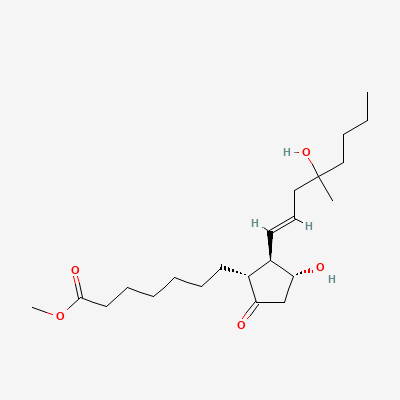
Misoprostol

Prostaglandin E1 analog (gastroprotective / uterotonic) · Gastric cytoprotective, abortifacient, cervical ripening agent, uterotonic

Also known as Cytotec, Misotac, Misogon, Contrac, Prostodin, Dinoprostone E1 (analogue)
START
For GI indication: ensure woman of childbearing potential has negative pregnancy test and uses effective contraception. Counsel on uterotonic risk. Take with food to reduce GI side effects.
TYPICAL MAX
800mcg/day for ulcer prevention. Higher doses increase diarrhea without proportional GI benefit. For obstetric use: follow WHO/ACOG protocols.
STOP IF
Severe diarrhea (>7 days), dehydration, severe abdominal pain, pregnancy (for GI indication), uterine rupture signs.
WATCH
Diarrhea is most common side effect—usually resolves in 1 week. Take with meals and at bedtime to minimize GI upset. For NSAID ulcer prevention: PPIs (omeprazole) are generally preferred due to better tolerability and QD dosing. Misoprostol remains important where PPIs are unavailable or for cost reasons, and in obstetric applications.
CDSCO approvedHNPPA price-controlledATC A02BB01
Dose laddermg/d
0.1start0.2titrate0.4BID dose (mcg)0.6titrate0.8ceiling
Renal dose adjustmenteGFR mL/min/1.73m²
FULLNo adjustment15FULLNo adjustment90

KDIGO 2024 + manufacturer label

Pharmacokineticsplasma · t hours
6minONSET12minPEAK30min4.5hDURATION
ONSET
6min · Onset ~6 min
PEAK
12min · Tmax active metabolite ~12-15 min
30min · t½ 20-40 min
DURATION
4.5h · 3-6 hours
EXCRETION
Renal as metabolites (~64%)
route + CYP
INTERACTIONS
none in our sources
PREGNANCY
CONTRAINDICATED for ulcer prevention in pregnancy (uterotonic effect causes abortion). FOR obstetric indications (abortion, PPH, induction): used specifically for uterotonic effect under medical supervision. Pregnancy category X for GI indication.
FDA category + note
Available in India

51 branded formulations and 7 fixed-dose combinations. Look up specific brands in the Drugs workspace.

Mechanism

Binds to prostaglandin receptors on gastric parietal cells, inhibiting basal and stimulated gastric acid secretion. Also stimulates mucus and bicarbonate secretion, maintains mucosal blood flow, and promotes epithelial regeneration. In uterus: causes contractions via prostaglandin receptor activation.

Indications

Prevention of NSAID-induced gastric ulcers (in patients at high risk)Medical abortion (with mifepristone)Cervical ripening and labor induction (off-label in some countries; approved in others)Postpartum hemorrhage (prevention and treatment—off-label in some regions)Incomplete abortion (off-label)

Dosing

Adult
Ulcer prevention (with NSAIDs): 200mcg PO QID with meals and at bedtime. If not tolerated, 100mcg QID. Medical abortion: 800mcg buccal/vaginal 24-48h after mifepristone 200mg (may repeat once). Labor induction: 25mcg vaginally q3-6h (max 50mcg/dose). PPH: 600-1000mcg sublingual/rectal.
Pediatric
Not established in children for GI indication.
Renal adjustment
No adjustment needed.
Hepatic adjustment
No adjustment needed (rapidly metabolized).
Geriatric
No specific adjustment; increased GI side effects at higher doses.
Max dose
800mcg/day (ulcer prevention); 1600mcg (medical abortion single dose)

Pharmacokinetics

Onset
Gastric acid suppression within 30 minutes; uterotonic effect within minutes
Peak effect
Tmax 12-15 minutes (active metabolite misoprostolic acid); acid suppression peaks at 60-90 minutes
Duration
3-6 hours (gastric acid suppression)
Half-life
~20-40 minutes (misoprostol); ~90 minutes (misoprostolic acid)
Bioavailability
~88% (extensive first-pass effect; active metabolite is systemic)
Protein binding
~85% (misoprostolic acid)
Metabolism
Rapid de-esterification in gut wall to active misoprostolic acid; then hepatic beta-oxidation to inactive metabolites
Excretion
~64% renal (inactive metabolites); ~15% fecal

Contraindications

  • Pregnancy (for ulcer prevention indication—uterotonic effect can cause miscarriage)
  • Hypersensitivity to prostaglandins
  • Active inflammatory bowel disease (relative)

Side effects

Common
Diarrhea (most common—dose-related, often self-limiting)Abdominal pain / crampingNauseaFlatulenceDyspepsiaHeadacheUterine bleeding / cramping (women of childbearing potential)
Serious
  • Severe diarrhea with dehydration
  • Uterine rupture (rare, with prior uterine scar and high doses)
  • Severe vaginal bleeding
  • Anaphylaxis (rare)
  • Amniotic fluid embolism (rare, labor induction)

Pregnancy & lactation

Pregnancy

CONTRAINDICATED for ulcer prevention in pregnancy (uterotonic effect causes abortion). FOR obstetric indications (abortion, PPH, induction): used specifically for uterotonic effect under medical supervision. Pregnancy category X for GI indication.

Lactation

Excreted in breast milk in low concentrations; compatible with breastfeeding per AAP. Not expected to cause adverse effects in nursing infants.

Drug interactions

Dinoprostone
Moderate
Database

Additive uterotonic effects; increased risk of uterine tachysystole.

Avoid sequential use without washout period; monitor closely.

Source: Kimi deep-research + Cla

Magnesium Sulfate
Moderate
Database

Additive CNS depression and hypotension when used for tocolysis or seizure prophylaxis.

Monitor maternal vital signs and deep tendon reflexes.

Source: Kimi deep-research + Cla

Oxytocin
Moderate
Database

Additive uterotonic effect; may cause tachysystole and fetal distress.

Use sequential rather than simultaneous; monitor fetal heart rate and uterine contractions.

Source: Kimi deep-research + Cla

Antacids
Mild
Database

No significant interaction; misoprostol's effect is prostaglandin-mediated, not pH-dependent.

Can be used together if needed.

Source: Kimi deep-research + Cla

Nsaids
Mild
Database

Misoprostol protects against NSAID-induced ulcers; no adverse interaction.

Standard co-therapy for high-risk patients. PPIs preferred in most cases.

Source: Kimi deep-research + Cla

7 additional low-confidence interactions hidden — those rows lack a documented mechanism or management plan in our sources.

Related guidelines

Ask House about Misoprostol

Continue into a citation-backed clinical answer with the drug context already attached.

Sources: KD Tripathi 7e, Goodman & Gilman 14e, Katzung, BNF·Verified: 2026-05-19 · House clinical team·Cockpit curated: 2026-05-19