Drug lookup
Drug reference

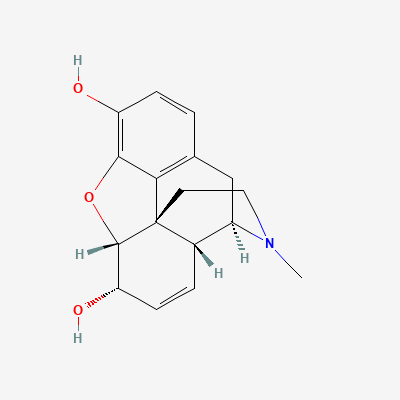
Morphine

Opioid analgesic (phenanthrene, mu-agonist) · Analgesic

Also known as Morphine Sulfate, Morphine Hydrochloride, MST Continus, Kadian, Avinza, Roxanol
START
Opioid-naïve: 2.5–10 mg IV/SC titrated or 5–10 mg oral IR q4h; reduce in elderly/renal/hepatic
TYPICAL MAX
No absolute ceiling in titrated cancer pain; titrate to effect/safety with monitoring
STOP IF
Respiratory depression (naloxone), severe hypotension, ileus, signs of toxicity in renal failure
WATCH
Respiratory rate/sedation (esp. with other CNS depressants), bowel regimen, renal function, misuse; naloxone available
CDSCO approvedSchedule H (also under Narcotic Drugs and Psychotropic Substances Act, 1985)ATC N02AA01
Dose laddermg/d
2.5start10titrate30max60ceiling
Renal dose adjustmenteGFR mL/min/1.73m²
FULLUsual titration60REDUCEReduce dose/extend interval (M6G acc…30AVOIDAvoid/markedly reduce — prefer alter…90

KDIGO 2024 + manufacturer label

Pharmacokineticsplasma · t hours
5minONSET20minPEAK3h4hDURATION
ONSET
5min · IV onset (~5 min)
PEAK
20min · IV peak (~20 min)
3h · plasma t½
DURATION
4h · IR analgesia
EXCRETION
Hepatic glucuronidation; ~90% renal glucuronides
route + CYP
INTERACTIONS
12 major
incl. contraindicated
PREGNANCY
Use only if clearly needed — neonatal opioid withdrawal/respiratory depression with prolonged or peripartum use
FDA category + note
Top interactionssee all 12
  • AminophyllineContraindicatedTextbookKDT 7e · p227
  • MaoisContraindicatedDatabaseKimi deep-research + Cla
  • ChlorpromazineSevereTextbook-citedKDT 7e · p950
  • DiazepamSevereTextbook-citedKDT 7e · p950
Available in India

20 branded formulations and 2 fixed-dose combinations. Look up specific brands in the Drugs workspace.

Mechanism

Agonist at mu (and kappa) opioid receptors in CNS/periphery — inhibits ascending nociceptive transmission and alters pain perception; also venodilation/preload reduction and respiratory-centre depression.

Indications

Moderate–severe acute painChronic cancer/palliative painAcute pulmonary oedema/MI pain (adjunct)Dyspnoea in palliative care

Dosing

Adult
Opioid-naïve acute: 2.5–10 mg IV/SC/IM titrated, or 5–10 mg oral IR every 4 h; modified-release for chronic pain after titration. Individualise; lower in elderly/frail.
Pediatric
0.05–0.1 mg/kg IV titrated; oral per weight (specialist).
Renal adjustment
Active metabolite M6G accumulates in renal impairment — reduce dose/extend interval; consider alternative opioid in severe impairment.
Hepatic adjustment
Reduce dose/frequency (reduced clearance, encephalopathy risk).
Geriatric
Reduce starting dose ~25–50%; titrate slowly.
Max dose
No absolute ceiling in titrated cancer pain; acute/opioid-naïve titrate carefully to effect/safety

Pharmacokinetics

Onset
IV ~5 min; oral IR ~30 min
Peak effect
IV ~20 min; oral IR 1 h
Duration
IR 3–4 h; MR 12–24 h
Half-life
~2–4 h (M6G longer, esp. renal impairment)
Bioavailability
Oral ~20–40% (high first-pass)
Protein binding
~30–35%
Metabolism
Hepatic glucuronidation → M3G (inactive/neuroexcitatory) and M6G (active analgesic)
Excretion
Renal (~90%, mainly glucuronides)

Contraindications

  • Acute/severe respiratory depression
  • Acute or severe bronchial asthma (uncontrolled, unmonitored)
  • Paralytic ileus / known/suspected GI obstruction
  • Concurrent or recent (14 days) MAOI
  • Hypersensitivity to morphine

Side effects

Common
Constipation (persistent)Nausea/vomitingSedation/drowsinessPruritusMiosis, urinary retention
Serious
  • Respiratory depression (potentially fatal — esp. with other CNS depressants)
  • Severe hypotension
  • Dependence/addiction, tolerance, withdrawal
  • Neurotoxicity/myoclonus (M3G, renal failure)
  • Serotonin syndrome (with serotonergics/MAOI); adrenal insufficiency (chronic)

Pregnancy & lactation

Pregnancy

Use only if clearly needed — neonatal opioid withdrawal/respiratory depression with prolonged or peripartum use

Lactation

Occasional low doses with monitoring may be acceptable; avoid repeated/high dose (infant sedation/apnoea)

Drug interactions

Aminophylline
Contraindicated
Textbook

Should not be mixed in the same infusion bottle/syringe.

Do not mix.

Source: KDT 7e · p227

Maois
Contraindicated
Database

Severe, sometimes fatal reaction (excitatory or hypotensive)

Avoid within 14 days of an MAOI

Source: Kimi deep-research + Cla

Chlorpromazine
Severe
Textbook-cited

Excessive sedation and respiratory depression; potentially fatal.

Avoid concurrent use

Source: KDT 7e · p950

Diazepam
Severe
Textbook-cited

Excessive sedation, respiratory depression, motor impairment.

Avoid concurrent use

Source: KDT 7e · p950

Imipramine
Severe
Textbook-cited

Excessive sedation and respiratory depression; potentially fatal.

Avoid concurrent use

Source: KDT 7e · p950

Acetaminophen
Severe
Textbook

Acetaminophen-related hepatotoxicity, a significant cause for liver failure.

Many practitioners have moved away from opioid-acetaminophen combination analgesics to avoid the risk of excessive acetaminophen exposure.

Source: Harrison 22e · p98-99

Barbiturates
Severe
Textbook

Exaggerated CNS depression.

Source: KDT 7e · p401

Chlordiazepoxide Hydrochloride
Severe
Textbook

Increased rates of accidental overdose and death.

Caution is advised, especially for patients with a history of drug abuse.

Source: G&G 14e

Clomethiazole
Severe
Textbook

Increased rates of accidental overdose and death.

Caution is advised, especially for patients with a history of drug abuse.

Source: G&G 14e

Clorazepate
Severe
Textbook

Increased number of deaths.

Avoid combination due to increased risk of respiratory depression and death.

Source: G&G 14e

Melatonin
Severe
Textbook

Increased rates of accidental overdose and death.

Caution is advised, especially for patients with a history of drug abuse.

Source: G&G 14e

Neuroleptics
Severe
Textbook

Increased CNS depression, potentially leading to overdose symptoms.

Not explicitly stated

Source: KDT 7e

Related guidelines

Ask House about Morphine

Continue into a citation-backed clinical answer with the drug context already attached.

Sources: KD Tripathi 7e, Goodman & Gilman 14e, Harrison 22e, Katzung·Verified: 2026-05-19 · House clinical team·Cockpit curated: 2026-05-19