Drug lookup
Drug reference

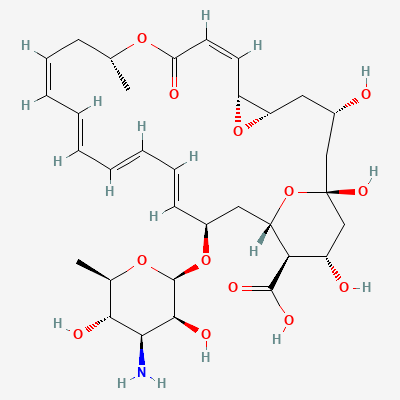
Natamycin

Polyene antifungal (ophthalmic) · Antifungal

Also known as Pimaricin
START
5% suspension 1 drop q1–2h ×3–4 days, then 6–8×/day; total ~2–3 weeks
TYPICAL MAX
Hourly initial dosing then taper (no systemic ceiling)
STOP IF
Lack of clinical improvement after 7–10 days (reassess; consider deep infection/alternative)
WATCH
Clinical/microscopic response, corneal scraping if no improvement, consider systemic antifungal for deep keratitis
CDSCO approvedSchedule HATC S01AA10
Renal dose adjustmenteGFR mL/min/1.73m²
FULLNo adjustment (topical ophthalmic)90

KDIGO 2024 + manufacturer label

Pharmacokineticsplasma · t hours
2hONSET2hPEAK1h2hDURATION
ONSET
2h · surface antifungal action
PEAK
2h · local
1h · surface (illustrative; not systemic)
DURATION
2h · frequent dosing interval
EXCRETION
Topical; negligible systemic absorption
route + CYP
INTERACTIONS
none in our sources
PREGNANCY
Topical — minimal systemic exposure; use if needed for sight-threatening infection
FDA category + note
Available in India

28 branded formulations. Look up specific brands in the Drugs workspace.

Mechanism

Binds fungal membrane ergosterol, disrupting membrane integrity and transport → fungistatic/fungicidal; topical ophthalmic, negligible systemic/ocular penetration (acts on corneal surface).

Indications

Fungal keratitis, blepharitis and conjunctivitis (esp. filamentous fungi e.g. Fusarium, Aspergillus)

Dosing

Adult
5% ophthalmic suspension: 1 drop every 1–2 h for 3–4 days, then 1 drop 6–8×/day; continue 14–21 days, taper by response.
Pediatric
As adult (specialist ophthalmology).
Renal adjustment
Not applicable (topical, negligible absorption).
Hepatic adjustment
Not applicable.
Geriatric
No specific adjustment.
Max dose
Hourly initial dosing then taper (no systemic ceiling)

Pharmacokinetics

Onset
Antifungal at corneal surface over days
Peak effect
Local
Duration
Frequent topical dosing
Half-life
Not systemically relevant (poor penetration/absorption)
Bioavailability
Negligible systemic; remains on corneal surface
Protein binding
Not relevant
Metabolism
Not relevant (topical)
Excretion
Not relevant (topical)

Contraindications

  • Hypersensitivity to natamycin

Side effects

Common
Eye irritation/stingingBlurred visionConjunctival chemosis/hyperaemiaAdherent white deposits on cornea
Serious
  • Allergic/hypersensitivity reaction (rare)
  • Treatment failure for deep stromal/endophthalmitis (poor penetration) — needs systemic therapy

Pregnancy & lactation

Pregnancy

Topical — minimal systemic exposure; use if needed for sight-threatening infection

Lactation

Topical ophthalmic — negligible systemic; considered low risk

Drug interactions

Corticosteroid Eye Drops
Moderate
Database

Steroids worsen fungal keratitis

Avoid concurrent ocular corticosteroids

Source: Kimi deep-research + Cla

Contact Lenses
Mild
Database

Lenses impede therapy/harbour fungus

Do not wear lenses during treatment

Source: Kimi deep-research + Cla

None Significant Systemic
Mild
Database

Negligible absorption → minimal systemic interactions

No systemic action

Source: Kimi deep-research + Cla

Other Ophthalmic Preparations
Mild
Database

Dilution/washout if instilled together

Separate instillation by ≥5–10 min

Source: Kimi deep-research + Cla

Systemic Antifungals
Mild
Database

Combined for deep keratitis (beneficial)

Use systemic agent for stromal/deep involvement

Source: Kimi deep-research + Cla

Ask House about Natamycin

Continue into a citation-backed clinical answer with the drug context already attached.

Sources: Goodman & Gilman 14e, Katzung·Verified: 2026-05-19 · House clinical team·Cockpit curated: 2026-05-19