Reduced renal clearance
Monitor levels
Source: Kimi deep-research + Cla
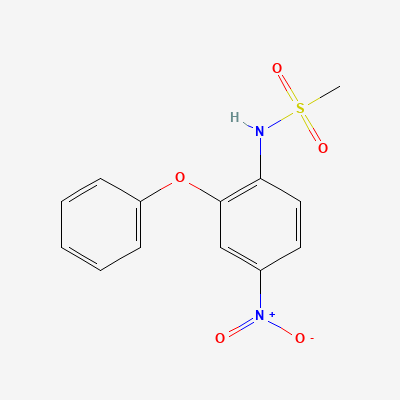
Selective COX-2 inhibitor (sulfonanilide NSAID) · Anti-inflammatory, Antipyretic, Analgesic
KDIGO 2024 + manufacturer label
Selective COX-2 inhibitor with additional anti-inflammatory actions (reduced PMN activation, scavenging of reactive oxygen species) — analgesic, antipyretic, and anti-inflammatory; preferential COX-2 selectivity less than coxibs.
Avoid; 3rd trimester contraindicated.
Avoid (limited data; safer alternatives).
Reduced renal clearance
Monitor levels
Source: Kimi deep-research + Cla
Additive bleeding (selective-COX-2 less than non-selective NSAID, still significant)
Avoid; gastroprotection
Source: Kimi deep-research + Cla
Additive hepatic injury
Avoid stacking; nimesulide already withdrawn in many countries for hepatotoxicity
Source: Kimi deep-research + Cla
Increased risk of bleeding (gastrointestinal, other sites), increased INR
Avoid concomitant use. If unavoidable, monitor INR very closely and adjust warfarin dose. Consider alternative analgesics.
Reduced antihypertensive effect, increased risk of renal impairment (especially in dehydrated or elderly patients), potential for hyperkalemia.
Monitor blood pressure and renal function (creatinine, electrolytes). Ensure adequate hydration. Avoid in patients with pre-existing renal dysfunction. Consider alternative analgesics.
Reduced antihypertensive effect, increased risk of renal impairment (especially in dehydrated or elderly patients), potential for hyperkalemia.
Monitor blood pressure and renal function (creatinine, electrolytes). Ensure adequate hydration. Avoid in patients with pre-existing renal dysfunction. Consider alternative analgesics.
Increased risk of gastrointestinal bleeding and ulceration. Nimesulide may interfere with aspirin's antiplatelet effect if taken concurrently.
Avoid concomitant use if possible. If unavoidable, monitor for signs of bleeding. Consider a proton pump inhibitor (PPI) for gastroprotection. Administer nimesulide at least 2 hours after aspirin.
Increased risk of gastrointestinal ulceration and bleeding.
Use with caution. Consider a proton pump inhibitor (PPI) for gastroprotection, especially in patients with a history of GI issues.
Increased risk of nephrotoxicity and renal impairment.
Avoid concomitant use. If unavoidable, monitor renal function (creatinine, BUN) closely. Consider alternative analgesics.
Reduced diuretic and antihypertensive effect, increased risk of renal impairment (especially in dehydrated or elderly patients).
Monitor blood pressure and renal function (creatinine, electrolytes). Ensure adequate hydration. Consider alternative analgesics if renal risk is high.
Increased plasma concentrations of methotrexate, leading to methotrexate toxicity (myelosuppression, mucositis, renal failure).
Avoid concomitant use, especially with high-dose methotrexate. If unavoidable, monitor methotrexate levels and signs of toxicity. Consider alternative analgesics.
Triple-whammy AKI
Monitor renal function
Source: Kimi deep-research + Cla
Continue into a citation-backed clinical answer with the drug context already attached.
Sources: KD Tripathi 7e·Verified: 2026-05-20 · House clinical team·Cockpit curated: 2026-05-20