Drug lookup
Drug reference

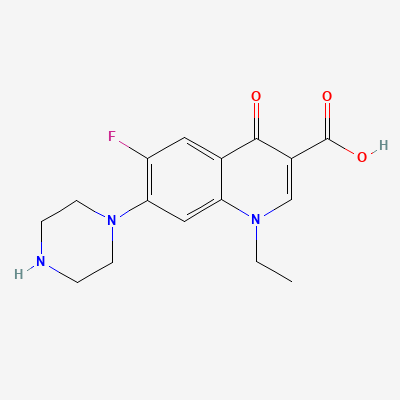
Norfloxacin

Fluoroquinolone antibiotic · Antibiotic

Also known as Norfloxacin hydrochloride
START
400 mg BD; take with plenty of fluids; avoid antacids within 2 hours
TYPICAL MAX
800 mg/day
STOP IF
Tendon pain/swelling, peripheral neuropathy symptoms, severe rash, QT prolongation
WATCH
Tendon symptoms, glucose (dysglycemia in diabetics), QTc if cardiac risk, C. difficile if diarrhea develops
CDSCO approvedJan AushadhiNPPA price-controlledATC J01MA06
Dose laddermg/d
400start800ceiling
Renal dose adjustmenteGFR mL/min/1.73m²
FULL400 mg BD standard60REDUCE400 mg OD30REDUCE400 mg every 24-48h90

KDIGO 2024 + manufacturer label

Pharmacokineticsplasma · t hours
1hONSET1.5hPEAK3.5h12hDURATION
ONSET
1h · Rapid bactericidal onset
PEAK
1.5h · Peak plasma concentration
3.5h · Elimination half-life
DURATION
12h · 12-hour dosing interval
EXCRETION
Renal and fecal (~30% each)
route + CYP
INTERACTIONS
12 major
SEVERE in our sources
PREGNANCY
Contraindicated in pregnancy - risk of fetal cartilage and joint damage
FDA category + note
Top interactionssee all 12
  • CelecoxibSevereTextbook-citedKDT 7e · p949
  • DiclofenacSevereTextbook-citedKDT 7e · p949
  • IbuprofenSevereTextbook-citedKDT 7e · p949
  • IndomethacinSevereTextbook-citedKDT 7e · p949
Available in India

153 branded formulations and 219 fixed-dose combinations. Look up specific brands in the Drugs workspace.

Jan Aushadhi — generic available at GoI pharmacies

Mechanism

Inhibition of bacterial DNA gyrase (topoisomerase II) and topoisomerase IV, preventing DNA replication, transcription, and repair in susceptible bacteria

Indications

Uncomplicated urinary tract infectionsProstatitis (chronic bacterial)Gonococcal urethritis (when susceptibility confirmed)Traveler's diarrheaGastroenteritis (shigellosis, salmonellosis)

Dosing

Adult
UTI: 400 mg BD for 3-7 days; Prostatitis: 400 mg BD for 4-6 weeks; Gonorrhea: 800 mg single dose; Gastroenteritis: 400 mg BD for 5 days
Pediatric
Contraindicated under 18 years (risk of arthropathy)
Renal adjustment
CrCl 30-50: 400 mg OD; CrCl <30: 400 mg every 24-48h
Hepatic adjustment
No adjustment needed in mild-moderate; caution in severe
Geriatric
Standard dosing with renal adjustment; increased risk of tendonitis and QT prolongation
Max dose
800 mg/day

Pharmacokinetics

Onset
Rapid bactericidal effect
Peak effect
1-2 hours (Tmax)
Duration
12 hours
Half-life
3-4 hours
Bioavailability
30-40% (lower than other fluoroquinolones)
Protein binding
10-15%
Metabolism
Hepatic (minimal; ~30% metabolized)
Excretion
Renal (~30% unchanged; fecal ~30%)

Contraindications

  • History of tendon disorders related to fluoroquinolone use
  • QT prolongation or concurrent QT-prolonging medications
  • Epilepsy or lowered seizure threshold
  • Pregnancy and breastfeeding
  • Children and adolescents under 18 years
  • Hypersensitivity to norfloxacin or other fluoroquinolones

Side effects

Common
NauseaDiarrheaAbdominal painDizzinessHeadacheInsomniaRashTaste disturbances
Serious
  • Tendonitis and tendon rupture (black box warning)
  • Peripheral neuropathy (may be irreversible)
  • QT prolongation and torsades de pointes
  • CNS effects (seizures, psychosis)
  • Aortic aneurysm/dissection risk
  • Hepatotoxicity
  • Severe hypersensitivity reactions
  • Clostridioides difficile-associated diarrhea

Pregnancy & lactation

Pregnancy

Contraindicated in pregnancy - risk of fetal cartilage and joint damage

Lactation

Excreted in breast milk; contraindicated during breastfeeding

Drug interactions

Celecoxib
Severe
Textbook-cited

Enhanced CNS toxicity, seizure risk

Avoid concurrent use

Source: KDT 7e · p949

Diclofenac
Severe
Textbook-cited

Enhanced CNS toxicity, seizure risk

Avoid concurrent use

Source: KDT 7e · p949

Ibuprofen
Severe
Textbook-cited

Enhanced CNS toxicity, seizure risk

Avoid concurrent use

Source: KDT 7e · p949

Indomethacin
Severe
Textbook-cited

Enhanced CNS toxicity, seizure risk

Avoid concurrent use

Source: KDT 7e · p949

Ketorolac
Severe
Textbook-cited

Enhanced CNS toxicity, seizure risk

Avoid concurrent use

Source: KDT 7e · p949

Mefenamic Acid
Severe
Textbook-cited

Enhanced CNS toxicity, seizure risk

Avoid concurrent use

Source: KDT 7e · p949

Naproxen
Severe
Textbook-cited

Enhanced CNS toxicity, seizure risk

Avoid concurrent use

Source: KDT 7e · p949

Piroxicam
Severe
Textbook-cited

Enhanced CNS toxicity, seizure risk

Avoid concurrent use

Source: KDT 7e · p949

Acetohexamide
Severe
Database

Drug interaction classified as: antagonism

Source: DDInter

Aminolevulinic Acid
Severe
Database

Drug interaction classified as: synergy

Source: DDInter

Amiodarone
Severe
Database

Drug interaction classified as: synergy

Source: DDInter

Amisulpride
Severe
Database

Drug interaction classified as: synergy

Source: DDInter

Related guidelines

Other Fluoroquinolone antibiotic drugs

Ask House about Norfloxacin

Continue into a citation-backed clinical answer with the drug context already attached.

Sources: KD Tripathi 7e, Goodman & Gilman 14e, Harrison 22e, Katzung·Verified: 2026-05-19 · House clinical team·Cockpit curated: 2026-05-19