Drug lookup
Drug reference

obidoxime

Cholinesterase reactivator (oxime; organophosphate antidote) · Antidote (for organophosphate poisoning)
START
250 mg IV slow load, then 750 mg/24 h infusion (with atropine)
TYPICAL MAX
~5 g/day (severe poisoning, monitored)
STOP IF
Significant hepatotoxicity, severe hypertension, or AV block
WATCH
Cholinergic response, BP/ECG, LFTs (>24 h use), atropine titration
CDSCO approvedATC V03AB13
Dose laddermg/d
250load75024h infuse5kmax/day
Renal dose adjustmenteGFR mL/min/1.73m²
CAUTIONStandard emergency dosing50REDUCEReduce dose / extend interval10REDUCEMarked red…90

KDIGO 2024 + manufacturer label

Pharmacokineticsplasma · t hours
6minONSET30minPEAK2h7hDURATION
ONSET
6min · IV onset
PEAK
30min · post-bolus
2h ·
DURATION
7h · per dose
EXCRETION
Renal — largely unchanged
route + CYP
INTERACTIONS
1 major
SEVERE in our sources
PREGNANCY
Use in life-threatening OP poisoning — benefit outweighs risk.
FDA category + note
Top interactionssee all 5
  • Carbamate InsecticidesSevereDatabaseKimi deep-research + Cla

Mechanism

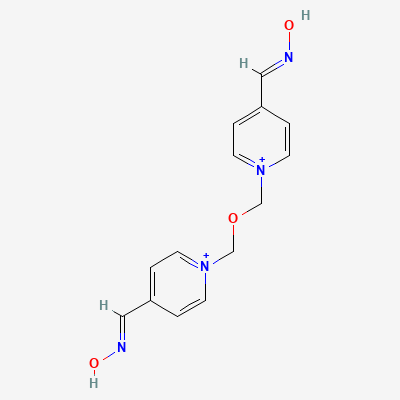
Bisquaternary oxime that reactivates organophosphate-inhibited acetylcholinesterase by removing the phosphoryl group from the enzyme's active site, restoring cholinergic function; effective before 'aging' of the OP-enzyme bond.

Indications

Acute organophosphate (pesticide / nerve-agent) poisoning (with atropine and supportive care)

Dosing

Adult
Loading: 250 mg IV slowly, followed by 750 mg/24 h continuous infusion (or repeat 250 mg every 2 h as needed for ~24 h); combined with atropine titrated to effect.
Pediatric
4–8 mg/kg IV slowly, repeat as needed.
Renal adjustment
Reduce dose in severe impairment (renally excreted).
Hepatic adjustment
Caution / reduce in significant hepatic disease (hepatotoxicity risk).
Geriatric
Standard emergency use; monitor.
Max dose
Up to ~5 g/day (severe poisoning, monitored)

Pharmacokinetics

Onset
Within minutes (IV)
Peak effect
End of bolus / steady-state infusion
Duration
~6–8 h
Half-life
~1.4–2.7 h
Bioavailability
IV/IM (not oral)
Protein binding
Low
Metabolism
Minimal
Excretion
Renal (largely unchanged)

Contraindications

  • Hypersensitivity
  • Caution: severe hepatic impairment, carbamate poisoning (oxime contraindicated in pure carbamate)

Side effects

Common
DizzinessNauseaTachycardiaHot flushesHeadache
Serious
  • Severe hepatotoxicity (high dose, sustained)
  • Hypertension (rapid IV)
  • Atrioventricular block
  • Worsened weakness if used in pure carbamate poisoning

Pregnancy & lactation

Pregnancy

Use in life-threatening OP poisoning — benefit outweighs risk.

Lactation

Limited data; brief use acceptable in emergency.

Drug interactions

Carbamate Insecticides
Severe
Database

Oxime contraindicated in pure carbamate (worsens weakness)

Identify agent; avoid in pure carbamate

Source: Kimi deep-research + Cla

Hepatotoxic Drugs
Moderate
Database

Additive hepatic stress

Monitor LFTs with prolonged use

Source: Kimi deep-research + Cla

Other Oximes
Moderate
Database

Duplicate therapy

Do not co-administer

Source: Kimi deep-research + Cla

Succinylcholine
Moderate
Database

Altered cholinergic transmission

Caution if anaesthesia needed

Source: Kimi deep-research + Cla

Atropine
Mild
Database

Complementary OP-poisoning treatment

Titrate atropine to dry mucosa; obidoxime per OP confirmation

Source: Kimi deep-research + Cla

Related guidelines

Ask House about obidoxime

Continue into a citation-backed clinical answer with the drug context already attached.

Sources: KD Tripathi 7e, Goodman & Gilman 14e·Verified: 2026-05-20 · House clinical team·Cockpit curated: 2026-05-20