Busulfan
Severe
Database
Nitroimidazoles inhibit busulfan metabolism, increasing busulfan toxicity (VOD, mucositis).
Avoid combination; if essential, monitor busulfan levels closely.
Source: Kimi deep-research + Cla
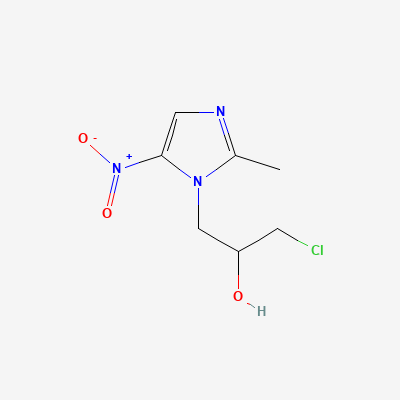
5-nitroimidazole antiprotozoal and antibacterial agent · Antibiotic
Also known as Ornidazole hydrochloride
KDIGO 2024 + manufacturer label
59 branded formulations and 61 fixed-dose combinations. Look up specific brands in the Drugs workspace.
Jan Aushadhi — generic available at GoI pharmacies
After intracellular reduction of the nitro group by low-redox-potential electron transport proteins, toxic reduction products interact with microbial DNA, causing strand breakage and loss of helical structure, leading to cell death. Active against anaerobic bacteria and protozoa.
Avoid in first trimester (no adequate human data; animal studies show teratogenicity at high doses). Second and third trimesters: use only if clearly needed.
Excreted in breast milk; concentrations similar to plasma. Discontinue breastfeeding during treatment and for 3 days after last dose.
Nitroimidazoles inhibit busulfan metabolism, increasing busulfan toxicity (VOD, mucositis).
Avoid combination; if essential, monitor busulfan levels closely.
Source: Kimi deep-research + Cla
Disulfiram-like reaction (flushing, vomiting, headache, hypotension) due to inhibition of aldehyde dehydrogenase.
Strict alcohol avoidance during treatment and for 3 days after last dose.
Source: Kimi deep-research + Cla
Increased lithium levels due to reduced renal clearance.
Monitor lithium levels; may need dose reduction.
Source: Kimi deep-research + Cla
Mutual inhibition of metabolism; levels of both drugs may increase.
Monitor phenytoin levels and for ornidazole CNS toxicity.
Source: Kimi deep-research + Cla
Inhibits warfarin metabolism (CYP2C9), increasing INR and bleeding risk.
Monitor INR closely; reduce warfarin dose by 30-50% during and after therapy.
Source: Kimi deep-research + Cla
6 additional unreviewed or low-confidence interactions hidden because their provenance or source detail is insufficient.
Continue into a citation-backed clinical answer with the drug context already attached.
Textbook-sourced·Sources: KD Tripathi 7e, Harrison 22e·Updated: 2026-05-19·Cockpit curated: 2026-05-19