Drug lookup
Drug reference

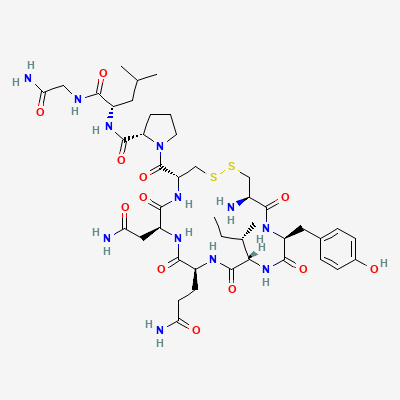
Oxytocin

Posterior pituitary hormone / uterotonic · Uterotonic, Induction/Augmentation of Labor, Postpartum Hemorrhage Prophylaxis/Treatment

Also known as Syntocinon, Pitocin

START
Induction IV 1–2 mU/min, titrate q30 min to adequate contractions; PPH 10 IU IM / 5 IU slow IV
TYPICAL MAX
Induction usually ≤20 mU/min; PPH treatment infusion up to 40 IU diluted
STOP IF
Uterine tachysystole/hyperstimulation, fetal distress, signs of water intoxication
WATCH
Continuous fetal heart rate + uterine activity, fluid balance/sodium (prolonged infusion), BP/HR (avoid rapid bolus)
CDSCO approvedSchedule HJan AushadhiATC H01BB02
Renal dose adjustmenteGFR mL/min/1.73m²
FULLNo dose adjustment at any eGFR (caution: dilute high-dose water intoxication)90

KDIGO 2024 + manufacturer label

Pharmacokineticsplasma · t hours
1minONSET5minPEAK4min20minDURATION
ONSET
1min · IV onset (~1 min)
PEAK
5min · uterine peak
4min · plasma t½ (~4 min)
DURATION
20min · IV offset (~20 min)
EXCRETION
Oxytocinase degradation; minor renal
route + CYP
INTERACTIONS
12 major
SEVERE in our sources
PREGNANCY
Indicated in pregnancy for appropriate obstetric use (labour/PPH) under monitoring — not for elective non-medical induction
FDA category + note
Top interactionssee all 12
  • Intravenous FluidsSevereTextbookKDT 7e · p330, p331, p333
  • AmiodaroneSevereDatabaseDDInter
  • AmisulprideSevereDatabaseDDInter
  • AnagrelideSevereDatabaseDDInter
Available in India

26 branded formulations. Look up specific brands in the Drugs workspace.

Jan Aushadhi — generic available at GoI pharmacies

Mechanism

Binds uterine oxytocin receptors increasing intracellular calcium → rhythmic myometrial contraction (term-sensitised); stimulates myoepithelial milk ejection; mild antidiuretic (vasopressin-like) at high doses.

Indications

Induction/augmentation of labourPrevention and treatment of postpartum haemorrhage (active third-stage management)Control of postpartum uterine bleeding/atonyAdjunct in incomplete/missed abortion

Dosing

Adult
Labour induction: IV infusion 1–2 mU/min, increase by 1–2 mU/min every 30 min to effective contractions (usually ≤20 mU/min). PPH prevention: 10 IU IM or 5 IU slow IV after delivery; treatment: infusion 10–40 IU in 500–1000 mL.
Pediatric
Not applicable.
Renal adjustment
No specific adjustment (caution: water intoxication with high-dose dilute infusion).
Hepatic adjustment
No specific adjustment.
Geriatric
Not applicable (obstetric).
Max dose
Induction generally ≤20 mU/min; avoid prolonged high-dose (water intoxication)

Pharmacokinetics

Onset
IV ~1 min; IM 3–5 min
Peak effect
Uterine response rapid (IV)
Duration
IV ~20 min after stopping; IM ~30–60 min
Half-life
~1–6 min
Bioavailability
IV/IM (peptide; not oral)
Protein binding
Low
Metabolism
Hepatic/renal oxytocinase; placental
Excretion
Renal (small unchanged)

Contraindications

  • Significant cephalopelvic disproportion / unfavourable fetal position
  • Hypertonic/obstructed labour, fetal distress where delivery not imminent
  • Prior classical uterine incision / high rupture risk
  • Hypersensitivity to oxytocin

Side effects

Common
Uterine hyperstimulation/tachysystoleNausea/vomitingTransient hypotension/tachycardia (rapid IV)Headache
Serious
  • Uterine rupture/hyperstimulation → fetal distress/asphyxia
  • Water intoxication/hyponatraemia (prolonged high-dose dilute infusion)
  • Severe hypotension/arrhythmia (rapid undiluted IV bolus)
  • Postpartum haemorrhage from uterine atony after over-stimulation; anaphylaxis

Pregnancy & lactation

Pregnancy

Indicated in pregnancy for appropriate obstetric use (labour/PPH) under monitoring — not for elective non-medical induction

Lactation

Compatible — endogenous role in lactation; not orally active in infant

Drug interactions

Intravenous Fluids
Severe
Textbook

Water intoxication and pulmonary edema can occur, which is a serious and potentially fatal complication.

Large amounts of intravenous fluids and oxytocin should not be infused together. The volume of intravenous infusion should be kept to a minimum to avoid fluid overload.

Source: KDT 7e · p330, p331, p333

Amiodarone
Severe
Database

Drug interaction classified as: synergy.

Source: DDInter

Amisulpride
Severe
Database

Drug interaction classified as: synergy

Source: DDInter

Anagrelide
Severe
Database

Drug interaction classified as: synergy

Source: DDInter

Arsenic Trioxide
Severe
Database

Drug interaction classified as: synergy

Source: DDInter

Bedaquiline
Severe
Database

Drug interaction classified as: synergy

Source: DDInter

Bepridil
Severe
Database

Drug interaction classified as: synergy

Source: DDInter

Cabozantinib
Severe
Database

Drug interaction classified as: synergy

Source: DDInter

Ceritinib
Severe
Database

Drug interaction classified as: synergy

Source: DDInter

Chloroquine
Severe
Database

Drug interaction classified as: synergy

Source: DDInter

Cisapride
Severe
Database

Drug interaction classified as: synergy

Source: DDInter

Citalopram
Severe
Database

Drug interaction classified as: synergy

Source: DDInter

Related guidelines

Ask House about Oxytocin

Continue into a citation-backed clinical answer with the drug context already attached.

Sources: KD Tripathi 7e, Goodman & Gilman 14e, Katzung, BNF·Verified: 2026-05-19 · House clinical team·Cockpit curated: 2026-05-19